
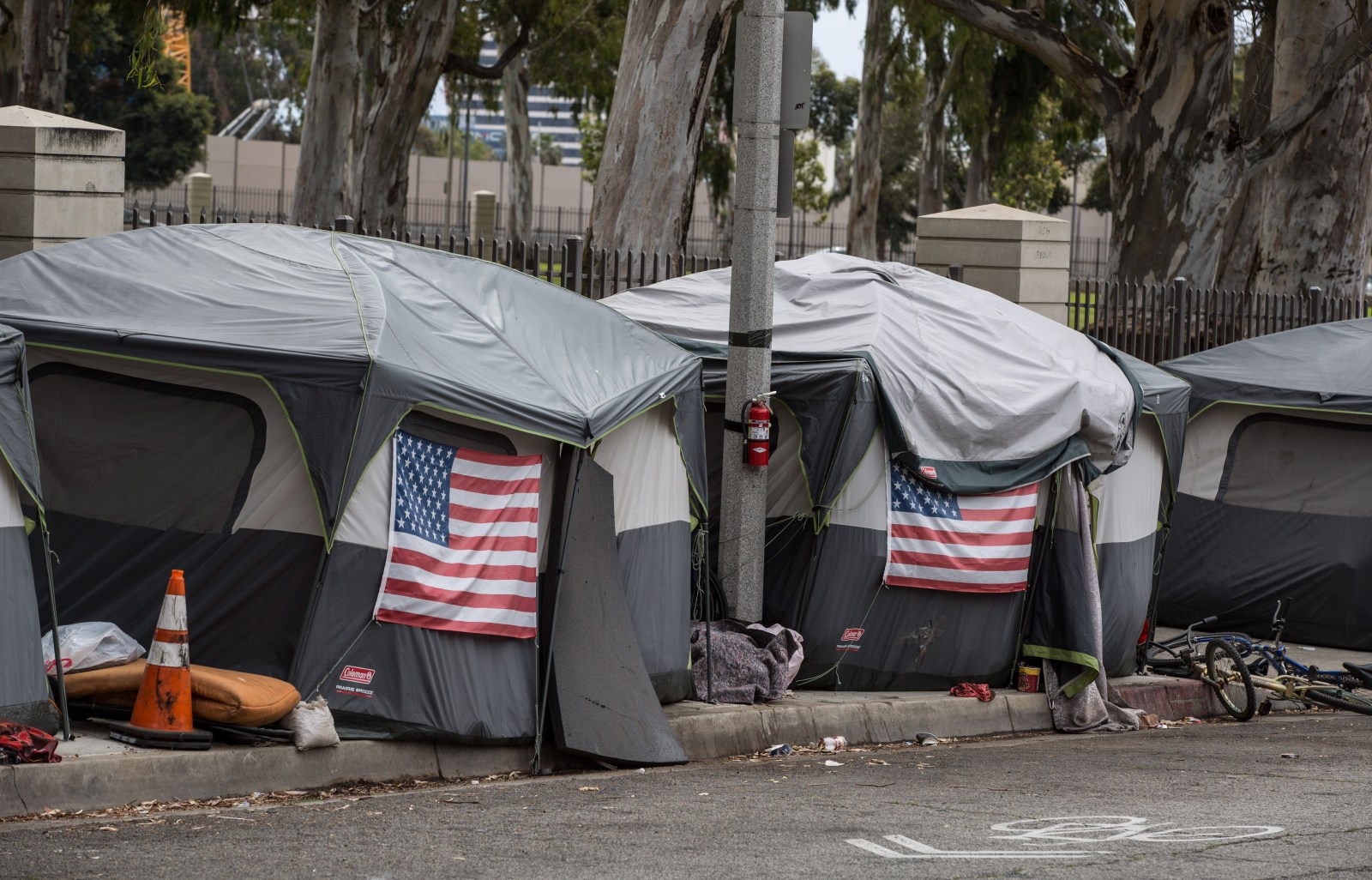
The Department of Veterans Affairs (VA) has announced a new assistance program worth $29 million, aimed at supporting veterans experiencing homelessness. This initiative provides a wide range of services, including food, smartphones, rental assistance, hotel stays, and transportation. The program, which falls under the Senator Elizabeth Dole 21st Century Veterans Healthcare and Benefits Improvement Act, targets eligible homeless veterans and participants in a major federal housing support program.
Available Assistance and Timeline
The VA plans to allocate up to $11 million for goods and services distributed through VA medical centers and earmark $18 million for transportation. Medical centers are expected to start offering goods and services in early fiscal year 2027, beginning in October. Transportation contracts will be awarded by September 2026, with services commencing as soon as these contracts are active.
VA Secretary Doug Collins emphasized the progress made under President Trump to keep veterans off the streets, highlighting this program’s role in continuing these efforts.
Assistance for Veterans
Under the published implementation plan, eligible veterans may receive essential items such as food, clothing, blankets, hygiene products, and other necessary supplies for safety and survival. Shelter assistance includes rent and utility payments, covering debts from previous months, provided it helps veterans secure or maintain housing. Coverage also includes security deposits, utility deposits, moving expenses, and short-term storage.
Rental and utility support is generally capped at 10 months within a two-year period, but exceptions may be approved by VA clinicians for additional support. Veterans can also obtain furniture, bedding, cookware, household appliances, and cleaning supplies. Temporary accommodation in hotels or motels can be funded, while veterans who are unsheltered may receive sleeping bags and tents.
Moreover, the program provides smartphones, tablets, disposable phones, and service plans when deemed necessary by clinicians for maintaining contact with health and service providers, landlords, or family. Transportation aid includes public transit vouchers or rideshare options for accessing medical appointments, housing and employment searches, legal appointments, emergency housing, and food distribution.
Eligibility Criteria
Eligible veterans must meet the federal homelessness definition, which includes individuals without a fixed, safe nighttime residence or those in shelters or unsuitable sleeping locations. It also covers those about to lose housing or in unsafe domestic situations. Additionally, veterans participating in the HUD-VASH, the HUD-Veterans Affairs Supportive Housing program, are eligible. HUD-VASH offers HUD rental vouchers combined with VA case management and supportive services, administered by public housing agencies.
HUD-VASH serves as the largest federal program addressing veteran homelessness. Veterans must have a case manager to enroll, as noted in a March report from the Government Accountability Office (GAO).
Reduction in Veteran Homelessness
Veteran homelessness has significantly declined over the last fifteen years. In January 2025, the VA’s Point-in-Time Count registered 32,495 veterans experiencing homelessness, marking the lowest number since HUD started this assessment in 2009. This reflects a 1.2% reduction from 2024 and a 56.1% decrease since 2010. The count includes veterans in shelters and in places not intended for habitation.
During fiscal year 2025, the VA achieved permanent housing placements for 51,936 homeless veterans, the highest figure in seven years.
Challenges Noted by GAO
Despite these advancements, a GAO report from March uncovered staffing and housing challenges within HUD-VASH. Between 2020 and 2024, vacancy rates for case manager positions ranged from 14% to 18%, while annual turnover varied from 20% to 26%. Staff indicated that these shortages could delay veterans’ program entry and reduce available support.
The GAO report highlighted significant gaps in VA records. Out of 174,045 non-referrals to HUD-VASH between 2020 and 2024, 87% lacked documented reasons, hindering VA’s ability to identify unmet demand and location needs for more case managers. The VA agreed to enhance data collection as recommended by GAO.
Rising housing costs pose another barrier as monthly HUD-VASH housing assistance rose from $706 in 2020 to $953 in 2024. Officials cited increased rents, limited housing supply, and landlord reluctance as challenges, complicating voucher usage for veterans.
The VA concurred with GAO’s recommendation for better documentation of reasons why veterans are not referred to HUD-VASH.
If you have further inquiries, contact Newsweek editors Ben Kelly and Mike Hirst via email.