
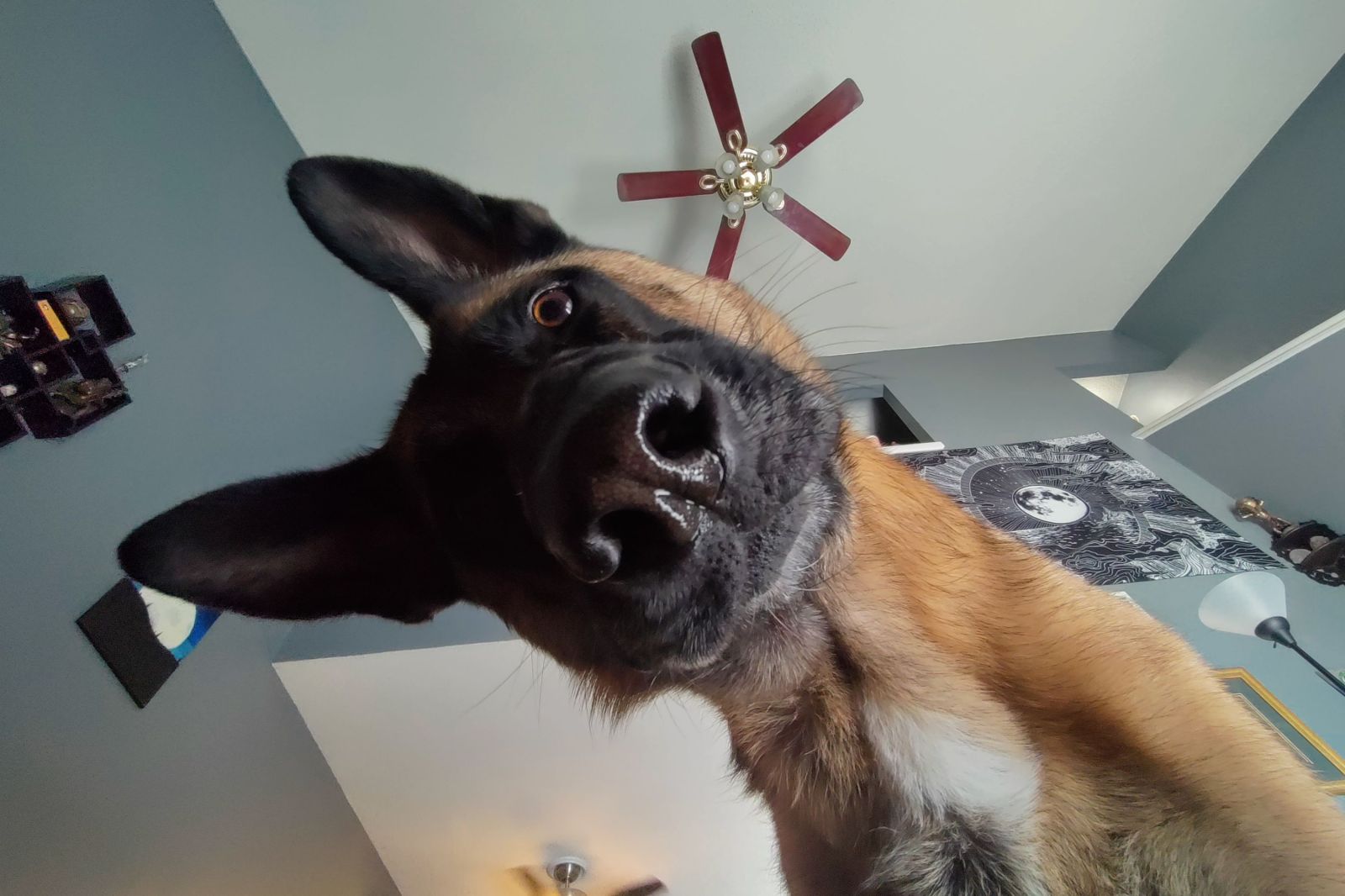
Dogs often display inquisitive behavior, exploring unfamiliar sounds or scents with great interest. This is usually a sign of their natural curiosity, which helps them gather information about their environment. Dr. Noe Galvan of Fetch Pet Veterinary says both “nosy” and “curious” describe dogs’ behavior, as both involve a search for answers. Dogs perceive their surroundings largely through smell, in contrast to humans who rely on sight.
What Makes a Dog Curious?
When dogs sniff a new area, they might be assessing who visited there or what happened. Typical signs of curiosity include neutral body posture, erect ears, focused eyes, and frequent sniffing. Additional behaviors might involve licking objects, attentive listening, pawing, watching unfamiliar beings, or growling and barking.
Dr. Galvan mentions that pacing along fences or sniffing marked areas provides dogs with data on previous visitors. Historically, certain breeds were developed for tasks like hunting, tracking, or herding, which made them more investigative.
Why Some Dogs Investigate More Than Others
There are no universally curious breeds. A scent-driven breed might follow an outdoor trail, while another dog might investigate a household noise anticipating a treat. A dog’s curiosity stems from factors like scent instincts, social curiosity, boredom, and the innate urge to explore. While recognizing a scent isn’t necessarily linked to intelligence, action is determined by training and drive, as seen in working dogs.
“A French bulldog may hear a bag of chips open in the next room and investigate a possible treat,” Galvan said.
When Curiosity Becomes a Problem
Although curiosity is typically healthy, it can lead dogs into risky situations, such as encountering wildlife while hiking. On the positive side, their alertness can signal owners to potential dangers nearby. Issues arise when a dog becomes fixated and can’t disengage from stimuli.
Is My Dog Curious or Anxious?
Curiosity and anxiety can appear similar. Identifying their differences requires observation. Symptoms of stress in dogs involve whining, unexplained panting, constant owner shadowing, difficulty relaxing, and repetitive actions. A curious dog tends to investigate briefly and then resume normal behavior, whereas an anxious dog remains preoccupied and shows signs of distress.
How to Channel a Curious Dog’s Behavior
Owners can transform their dog’s curiosity into positive activities through enrichment and training. Dogs that were bred for labor have a high drive and need stimulation. Methods to channel their energy include extended sniffing walks, puzzle toys, training exercises, hide-and-seek with toys or treats, and scent-based tasks.
Ultimately, when your dog investigates every visitor, sniffs every corner, and questions every sound, they’re simply engaging with their surroundings. They’re learning about their environment much like humans interpret their own.