
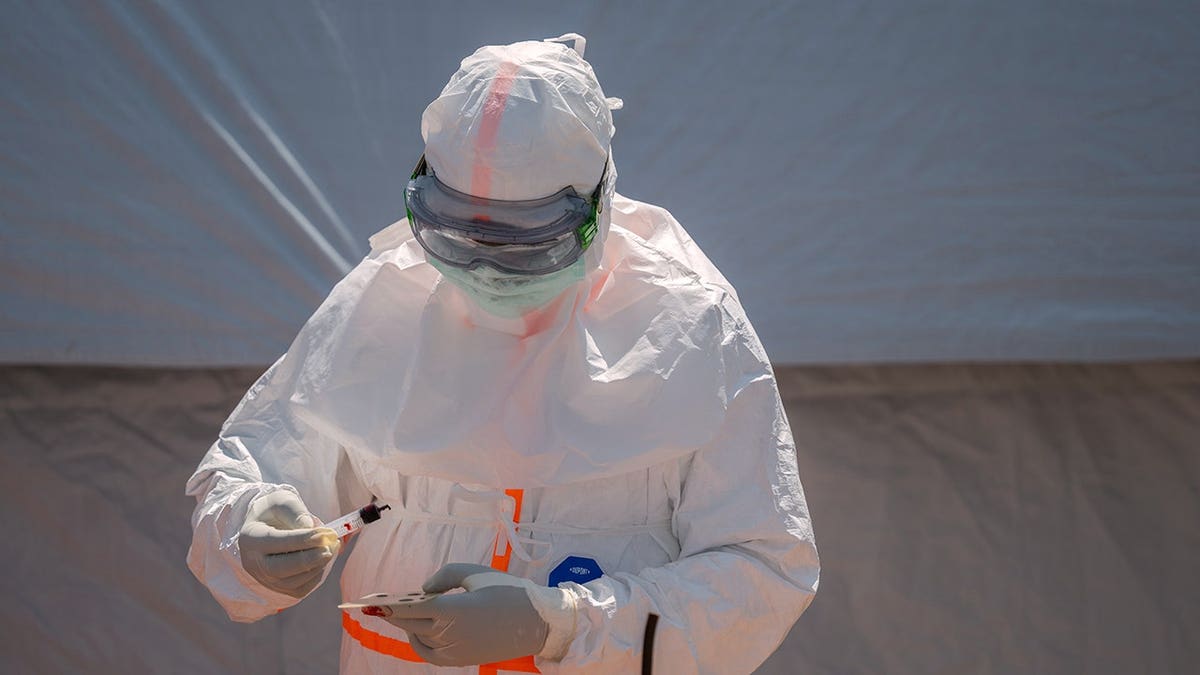
The Ebola outbreak in the Democratic Republic of Congo (DRC) has resulted in over 2,000 deaths, raising concerns about the humanitarian crisis. The virus continues to spread rapidly in eastern and northeastern DRC, with prior cases reaching Uganda. Government data shows a tally of 4,381 confirmed cases. David Wohl, MD, a professor at the University of North Carolina, emphasizes the outbreak’s severity. He states that Ebola is spreading in rural areas with large populations, not just small towns.
“Compared to previous outbreaks, the pace at which this is moving is unprecedented,” Dr. Wohl noted.
Efforts to control the virus face challenges due to dense populations and restricted access, making it difficult to provide medical care, track contacts, and implement quarantine measures. Regional conflicts further complicate access, as Wohl explained.
The Impact on Americans
Despite rising fatalities, American health officials note the minimal risk domestically. The Bundibugyo ebolavirus strain in this outbreak differs from past strains, reducing the effectiveness of previous vaccines and treatments. Wohl reassures that transmission requires close contact with infected individuals’ bodily fluids.
Americans experienced limited impact during the 2014 West Africa outbreak, with only four cases diagnosed in the U.S. Health systems, sanitation, and access to care in the U.S. greatly reduce transmission risks. Wohl points out that viruses like measles and influenza pose more immediate concerns.
Treatment and Research Challenges
The existing treatments and vaccines for the Zaire strain are not approved for the Bundibugyo virus, which currently circulates in the DRC. Researchers are exploring new treatment options and vaccine candidates for the Bundibugyo strain, using technologies like mRNA platforms to devise targeted responses. Global health agencies, including the World Health Organization and the CDC, are closely monitoring the outbreak.
Dr. Wohl highlights the importance of international cooperation in providing resources and support to mitigate the outbreak’s impact. Addressing the crisis requires a coordinated global response to prevent further escalation.
Khloe Quill, a lifestyle writer at Fox News Digital, contributed insights on health coverage.