
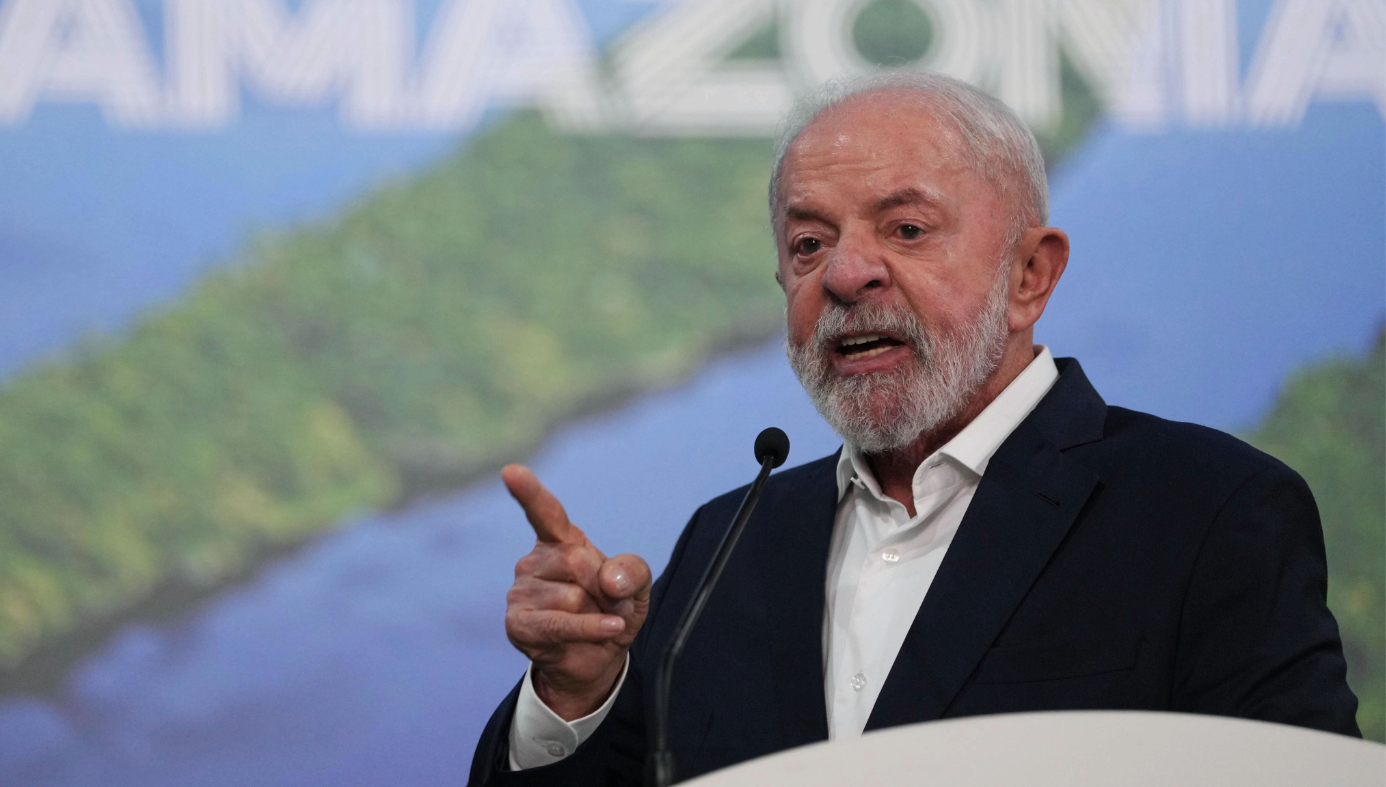
In late 2025, the relationship between Brazil and the United States is undergoing a critical examination. This situation is highlighted by the actions and interactions between Brazil’s President Luiz Inacio Lula da Silva and the U.S. Administration, led by President Trump.
Test for the New Monroe Doctrine
The new Monroe Doctrine, which has influenced political climates in countries like Colombia, Peru, and Honduras, faces a significant test with Brazil’s upcoming elections. As Latin America’s largest nation prepares to vote, it remains to be seen whether Lula will secure another term or the country will veer right.
U.S.-Brazil Diplomatic Efforts
By September 2025, President Trump had attempted to mend fences with President Lula. Following a short meeting, Trump noted a positive rapport with Lula. However, this relationship quickly soured after a May meeting in the White House. This private discussion, aimed at avoiding diplomatic incidents, soon led to significant developments.
In late May, Secretary of State Marco Rubio labeled the Primeiro Comando da Capital and Comando Vermelho criminal organizations as foreign terrorist groups, sparking tension with Brazil.
This decision, viewed by Lula as aggressive, raised concerns about potential U.S. military intervention. Echoing actions against other regimes, such measures might serve as a pretext for conflict under the guise of combating terrorism.
Economic Tensions
The already strained situation escalated in July when Rubio announced new tariffs on Brazilian imports. This move, backed by President Trump, aimed to address what they perceived as uncooperative negotiations from Lula’s government. The 25 percent tariffs heightened economic tensions, impacting both nations significantly.
Lula utilized these pressures to craft a patriotic narrative, which initially bolstered his standing in the polls against contender Senator Flavio Bolsonaro. However, despite these gains, over time this approach struggled to maintain its effectiveness.
Regional and Global Implications
Brazil’s diplomatic landscape shifted further when President Javier Milei of Argentina openly opposed Lula, siding with Bolsonaro. The fallout included expelling the Argentine ambassador, souring the $31 billion trade relationship between the nations.
Lula’s administration has also pursued closer ties with China, Brazil’s key trading partner, despite mounting pressures from the U.S. The reliance on extraterritorial partnerships complements his domestic popularity, maintained through social programs in sectors like health and education.
However, his security policies remain contentious, a significant factor in Latin America’s recent electoral trends.
The Larger Geopolitical Picture
Lula’s international relations extend to engagement with countries like China, Russia, and Iran, and support for regimes in Cuba, Nicaragua, and Venezuela. This foreign policy direction aligns with left-wing authoritarian governance, despite criticism over these countries’ human rights records.
With pivotal elections approaching, the broader challenge for the new Monroe Doctrine lies in balancing U.S. interests with Latin American alliances. This election could define the region’s alignment on a global scale.
Arturo McFields provided insight into these dynamics, drawing from experience as a journalist and diplomat, offering a perspective on the broader implications of Brazil’s political and economic landscape.