
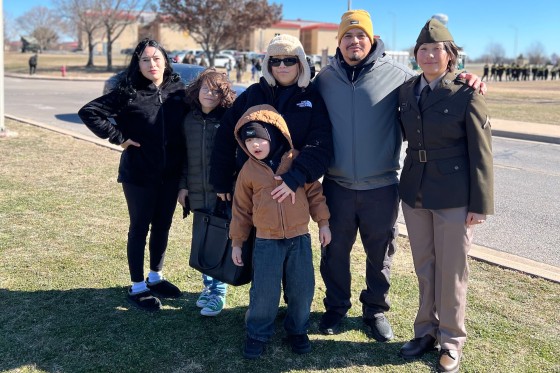
The military states that it can safeguard the immediate family members of service personnel from deportation. However, there are instances where families of active-duty soldiers still face deportation issues.
Grace Ortega’s experience is a poignant example. She joined the Army in 2024, motivated by a military-promoted program. This program is designed to offer deportation protection for immediate family members who are in the country without authorization.
Despite these assurances, her father, Juan Ortega, was deported on July 4. This situation filled Grace with a deep sense of betrayal by the nation she chose to serve. The contrast between the military’s promises and the reality experienced by soldiers’ families highlights the ongoing challenges within the system.
“I felt let down,” Grace expressed regarding her father’s deportation. “I joined with the belief that my family would be protected.”
Cases like Grace’s illustrate the difficulties encountered by service members who trust in the military’s promise of protection for their families. They serve the nation with the hope that their loved ones will have security, but the current implementation appears inconsistent.
As this issue persists, it underscores the need for a more robust and reliable system to ensure that soldiers’ families are adequately protected. The discrepancy between policy and practice continues to affect military families, challenging their trust and security.