
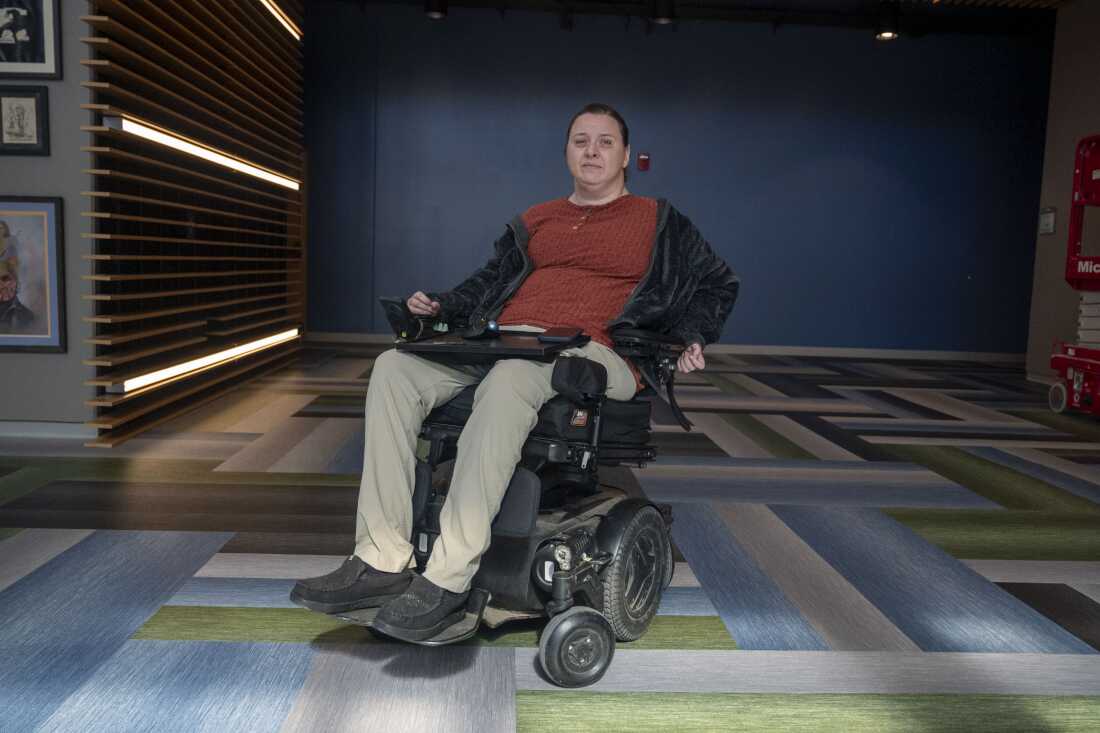
Erica Carter, based in Sioux City, Iowa, loves her job as a finance manager for the Omaha Nation public school district in Nebraska. Her role involves securing grants and opportunities for students from low-income backgrounds. However, her work, though rewarding, has led to a significant personal challenge.
Carter learned that her salary was too high for her to remain in an Iowa Medicaid program, placing her in a difficult position — potentially losing her job or forfeiting her benefits. This situation arose due to a new federal mandate to ensure Medicaid recipients qualify by working, volunteering, or studying at least 80 hours per month. This requirement has provoked concern among people with disabilities who rely on Medicaid, arguing the policy forces them to choose between employment and benefits.
Job Dedication and Financial Challenge
Carter, a 41-year-old who is paralyzed from the chest down following an accident in her early 20s, faced a difficult choice when informed her $110,000 annual income exceeded the Medicaid limit for working people with disabilities in Iowa. The cap was $36,450 for individuals in 2023.
Previously, Carter accessed health coverage through Iowa’s Medicaid for Employed People With Disabilities, a program allowing workers with disabilities to buy into Medicaid by contributing part of their income. Although 47 states offer similar programs, most impose income and asset restrictions. Massachusetts, Minnesota, New Jersey, and Rhode Island have lifted these limits in recent years.
To retain Medicaid, Carter had to either find a lower-paying job or lose Medicaid and use her employer’s health plan, which was less comprehensive for her needs. Ultimately, she chose to keep working and give up Medicaid, even though it meant incurring approximately $35,000 in out-of-pocket medical expenses annually.
“I like getting up and going to work every day, and I really like what I do,” Carter said. “Why would I throw that away?”
Addressing Eligibility Limits
The Medicaid buy-in program was meant to encourage people with disabilities to work by easing access to Medicaid. Iowa was an early adopter of the program, with 11,640 participants as of late January. The 2023 income limit in Iowa, set at 250% of the federal poverty level, was $39,900 for one-person households.
Advocates like Carlyn Crowe from the Iowa Developmental Disabilities Council argue these limits hinder financial goals for people with disabilities, such as owning a home or car. They suggest a more flexible approach, as seen in Tennessee’s proposed program, which lacks income and asset limits. This suggestion has found bipartisan support, but legislative efforts to change the Iowa income cap have stalled.
Broader Economic Implications
Federal Medicaid spending is projected to reduce by over $900 billion in the next decade. While Medicaid buy-in programs could raise costs, advocates argue long-term economic benefits, such as increased tax revenue and reduced reliance on other assistance programs, outweigh initial expenses.
Efforts to raise Iowa’s income limits continue, with the latest proposals striving for a 300% federal poverty level cap and exemptions for pensions and spousal income. However, these adjustments have not been realized.
Carter remains dedicated to her work in education. Despite financial difficulties, she continues to work and take on additional jobs to fund her medical expenses and support her students.
This article was produced in collaboration with Iowa Public Radio and KFF Health News, as part of NPR’s health reporting partnership.