
Your phone holds vast personal information, from messages to financial records. This is why some opt for intense security measures. One such tool is a secret phone wipe code, which erases data when an alternate passcode is entered. However, using this during a federal inspection can have legal consequences.
The Case of Samuel Tunick
An Atlanta man faces a felony charge due to a special code allegedly wiping his Google Pixel while U.S. Customs and Border Protection (CBP) officers attempted to inspect it. Prosecutors accuse him of deliberately destroying data the government could lawfully seize. He argues that the officers acted without lawful authority.
This case highlights the clash between personal privacy and border security, demonstrating how a phone protection feature can lead to federal charges.
How a Phone Wipe Code Led to Charges
Samuel Tunick returned from the Dominican Republic on January 24, 2025. CBP officers at Atlanta’s airport redirected him to a secondary inspection. They took his phone and requested its passcode. Instead of unlocking the device, the entered code triggered a complete wipe. This left the phone data erased.
Tunick was later allowed entry. A grand jury indicted him under a federal law focused on preventing property destruction to thwart government seizure. He pleaded not guilty, claiming the seizure lacked lawful authority. This might be among the first prosecutions concerning a phone’s wipe feature.
The GrapheneOS Duress Passcode
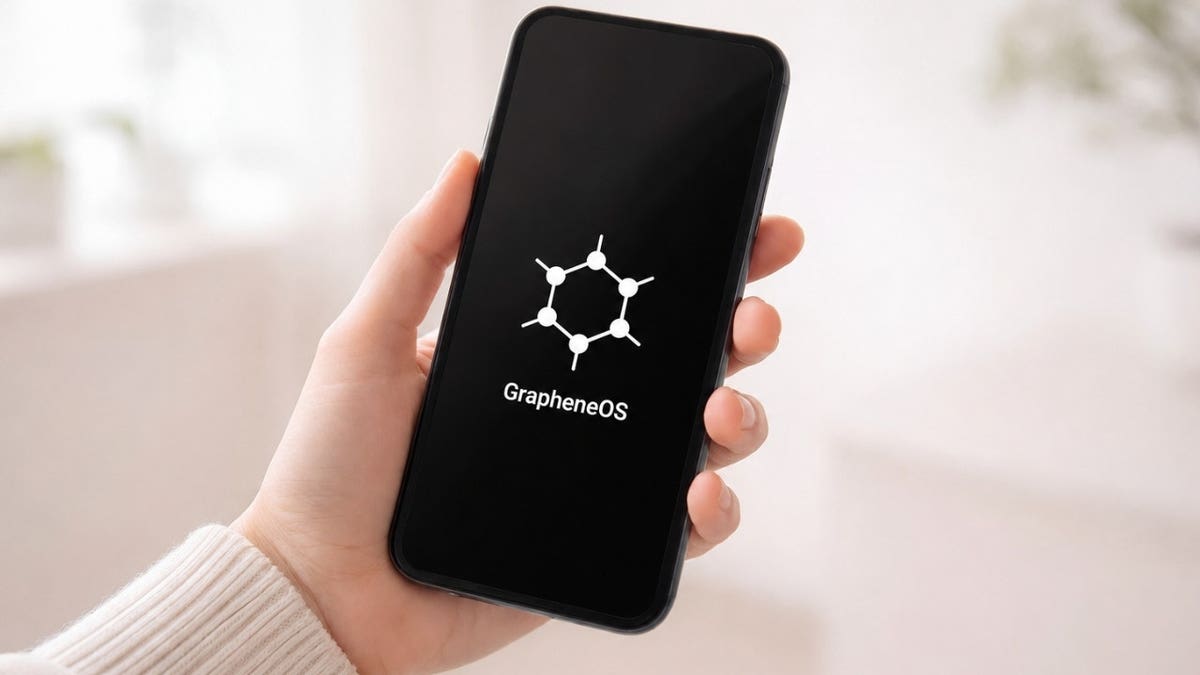
The phone ran GrapheneOS, an open-source system enhancing security on Google Pixels. It allows a duress PIN different from the usual passcode. Inputting the duress code instantly wipes the device. This feature functions wherever the device requests credentials, making it useful in threatening situations but legally questionable during government searches.
The legal focus is not on installing GrapheneOS or the passcode but on when and why Tunick supposedly used it.
Why a Phone Wipe at the Border Might Be Illegal
Tunick faces charges under 18 U.S.C. Section 2232(a), a law covering property destruction to block government custody. A conviction can mean up to five years in federal prison and possible fines.
Prosecutors argue Tunick knowingly deleted contents to prevent government access. They need not prove his phone had evidence of another crime; the focus is on the alleged destruction.
Defense Claims the Search Was Unlawful
Tunick’s defense claims CBP officers violated his rights. They argue he was unlawfully detained, denied an attorney, and not advised of rights. They ask to suppress related statements and evidence.
They allege agents used illegal material concerns as a pretext to investigate his activities against Atlanta’s police and fire training center, often called Cop City.
The court must assess these claims. Prosecutors insist CBP acted within border inspection authority, not unlawfully.
CBP’s Authority to Search Phones
Federal officers have broader search powers at borders. This allows inspection of travelers and belongings, including their phones.
CBP says searches help identify national security threats. Basic searches involve manual review, while advanced ones use special equipment to analyze content. Advanced searches require reasonable suspicion and senior manager approval.
Without a national standard, legal protections depend on the search method and jurisdiction, leading to uncertainties for travelers.
Consequences of Refusing Phone Unlocks
U.S. citizens can’t be denied entry if CBP can’t inspect a locked device. Yet, refusal may prolong inspections. Officers can detain the device if they can’t access its contents.
CBP requires phones to be presentable for inspection. Noncompliance, particularly for foreign visitors, might affect entry.
When Phone Wipe Timing Alters Legal Risk
Removing info before travel is different from erasing data during inspection. You might prefer not to carry unnecessary files or accounts when traveling. A separate travel phone might help.
Deliberate wiping during an inspection shifts legal risk. Prosecutors may interpret it as interfering with a search. Tunick’s intent will play a significant role, with both sides arguing his motives.
Pre-Travel Phone Protection Tips
- Review Data: Before travel, clear unnecessary files and consider using a travel phone.
- Backup Information: Create an encrypted phone backup and keep key travel info elsewhere.
- Strengthen Lock Security: Use a strong passcode and disable notification previews.
- Power Down Early: Power down devices before arriving at inspections.
- Consider Refusal Consequences: Understand potential delays or seizure when refusing to unlock a phone.
- During Inspection: Avoid activating a wipe; this can lead to federal charges.
- Document If Seized: Request a receipt, and note inspection details after.
The unfolding case of Samuel Tunick involves complex questions of privacy and legal authority. As it develops, travelers should prepare and understand the implications of border policies.