
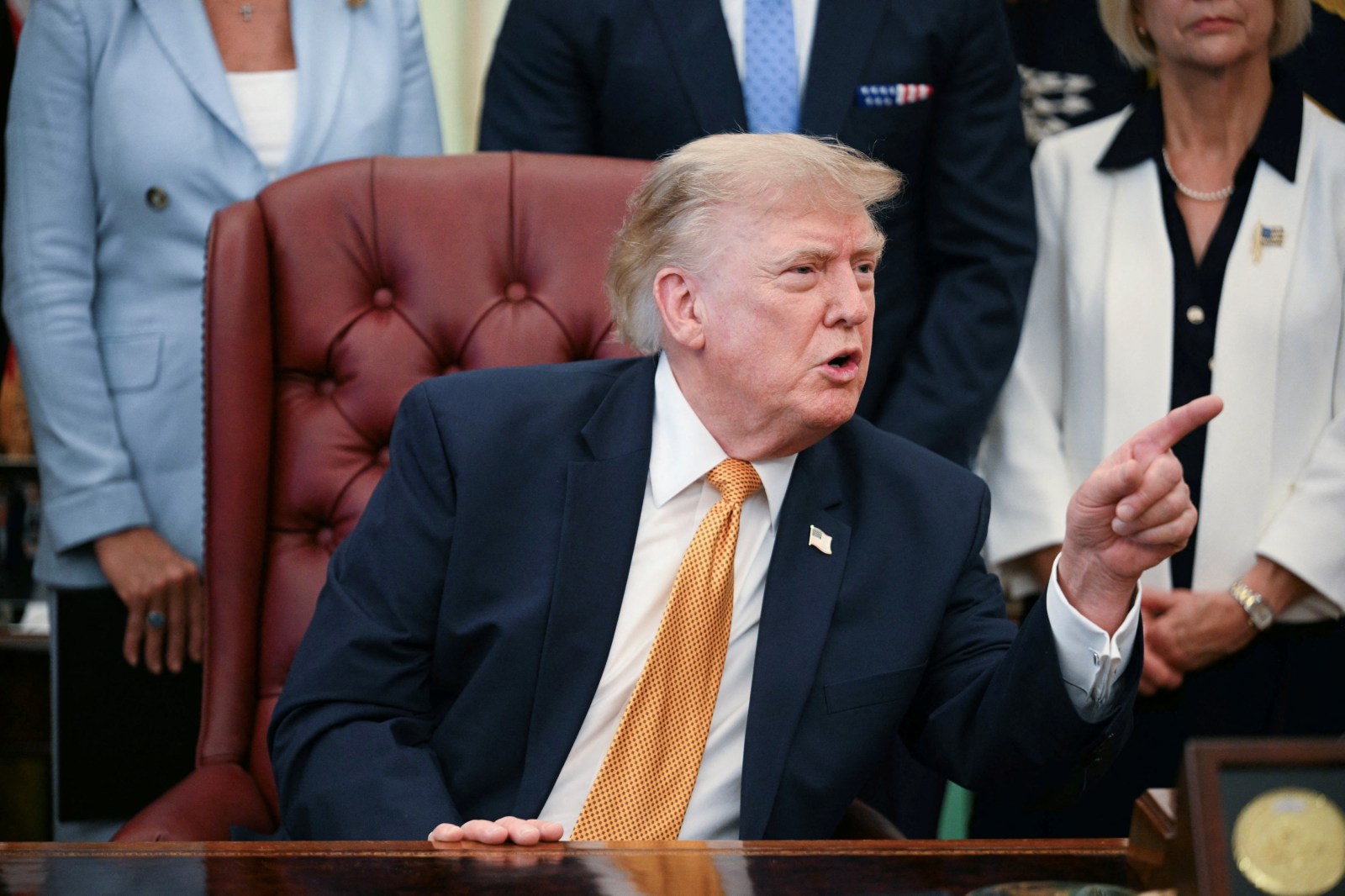
President Donald Trump is calling on oil companies to reduce gasoline prices, citing their strong profits during the Iran war. He argues that energy giants have taken advantage of conditions that are straining American consumers. Industry experts provide a different perspective on the situation.
The Call for Lower Prices
In recent posts on Truth Social, Trump responded to comments by Chevron CEO Mike Wirth made on Fox News. Trump accused Wirth of not acknowledging the role his administration played in the oil industry’s success. Trump stated, “Without the genius, foresight, strength, and stability of the TRUMP Administration, the Oil Industry, and our Country itself, would be DEAD!” He also urged oil companies to lower consumer oil prices immediately.
At a press conference, Trump criticized ExxonMobil and Chevron for profiting from increased fuel prices during the conflict. “I don’t like it,” he said, adding that they have made “too much money.” Trump suggested these profits should benefit the public through lower retail prices.
The Economic Context
These remarks come at a time when Republicans are preparing for the November midterm elections. Voter concerns about affordability, inflation, and fuel costs are growing. Chevron and ExxonMobil have been contacted for comments.
Trump points out that the oil industry has grown due to policies from his administration, specifically mentioning Chevron’s opportunities in Venezuela. As a proponent of domestic energy production, Trump has opposed regulations he believes harm the oil and gas industry. Despite these positions, rising fuel prices have created tensions.
Industry Earnings and Consumer Frustration
Major U.S. energy companies have seen benefits from higher crude prices post-Iran conflict. Recent earnings reports showed Chevron achieving its highest quarterly earnings in over six years. Valero Energy also reported its best quarterly profit since the 2022 energy crisis.
Consumers frustrated by high fuel costs have not seen relief despite energy companies’ ongoing profits. During this election cycle, gasoline prices have become a key economic indicator.
The national average gas price remains over $4 per gallon. In states like California, prices are even higher. Months of disruption related to Iran and global energy supply concerns have led to these increases. Experts, however, note that oil companies have limited control over these prices.
The Role of Crude Oil Prices
Patrick De Haan from GasBuddy explains that crude oil pricing is primarily determined by global markets, which no U.S. company controls. Factors like OPEC actions and global disruptions contribute directly to pump prices. He highlights that refiners and stations often operate on thin margins, with crude and taxes chiefly determining prices.
De Haan adds that changes in oil prices often impact gas prices more quickly than expected, typically within 3-5 days. Critics argue that rising profits signify company responsibility for high prices, yet De Haan calls this view simplistic. He compares it to the tech industry, where increased product value, not price gouging, drives profit.
Bob McNally of Rapidan Energy Group notes the cyclical nature of oil company profits, likening high profits to disruptions like the Iran war. The American Petroleum Institute (API) emphasizes that global factors, not individual companies, drive higher prices. API also acknowledges that administration policies have been supportive of U.S. energy production.
Persistent Affordability Concerns
Polling indicates growing concerns over the cost of living. A survey from July showed 65% disapprove of Trump’s economic management, with many struggling with grocery and gas prices. A Harris Poll emphasized the general sentiment that the U.S. is facing an affordability crisis.
Further polling from Quinnipiac University reflects public skepticism about economic improvement. De Haan acknowledges the political challenges of fuel costs, highlighting Trump’s frequent references to the issue as evidence of its significance.
Impact on the Midterms
With the 2026 midterms approaching, the economy is becoming a central issue. A July Pew Research Center survey indicated voters prioritize economic concerns. Trust in economic policy is nearly evenly split between parties, but worries about inflation and household budgets dominate other issues.
Political strategists warn that continued dissatisfaction with gas prices could endanger the party in power, especially in contested Senate states where fuel prices remain high.