
Financial Challenges in U.S. Youth Soccer
Dana Perino and Jonathan Bornstein have shed light on the financial obstacles in U.S. youth soccer, particularly focusing on the pay-to-play system. This method of financing youth soccer imposes significant costs, limiting participation, especially for families from lower-income backgrounds. Bornstein emphasizes that this enduring issue restricts access to opportunity, stifling potential talent development within the youth sector.
Since 2019, the average annual spending per child in youth soccer has increased dramatically by 69%. This surge highlights a systemic issue requiring comprehensive restructuring to ensure equitable access to the sport across all income levels.
U.S. Soccer and 2030 World Cup
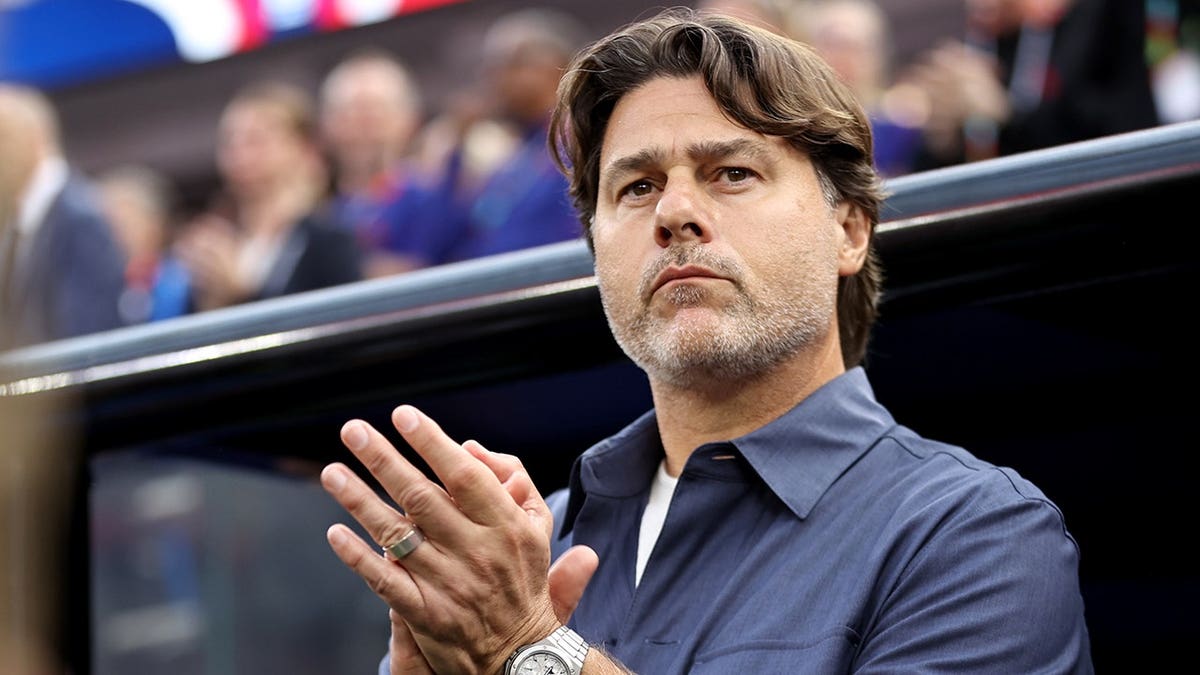
U.S. men’s national soccer team faces a familiar scenario leading up to the 2030 World Cup. Despite speculation before and during the 2026 World Cup that coach Mauricio Pochettino might return to club management, the United States Soccer Federation announced his continued role as the National Team coach through 2030.
“Working together with U.S. Soccer over the past two years, it has become clear to us that there is tremendous potential to make the Men’s National Team program even stronger,” Pochettino stated.
During the World Cup of 2026, the U.S. team under Pochettino achieved its third-ever group stage outright win and managed a knockout-stage victory, the first since 2002. Despite hopes for quarterfinal advancement, a defeat to Belgium halted progress. Nevertheless, retaining Pochettino marks a strategic win for American soccer’s future.
Strengthening U.S. Soccer Pathways
Pochettino, with his staff, aims to enhance pathways for players, coaches, and teams. Their vision is to have a lasting impact on American soccer, influencing not only results but the sport’s cultural growth and acceptance.
The 2030 World Cup will occur in Portugal, Spain, and Morocco. Though predicting the U.S. men’s national soccer team’s future performance is uncertain, having a consistent managerial presence like Pochettino could be instrumental. It fosters momentum and continuity, crucial for nurturing potential and fostering a robust soccer culture in the U.S.
In conclusion, the ongoing discussions around pay-to-play emphasize the need for reforms that reduce barriers for youth participation in soccer while Pochettino’s continued leadership reflects efforts toward stabilizing and developing national talent for upcoming global tournaments.