
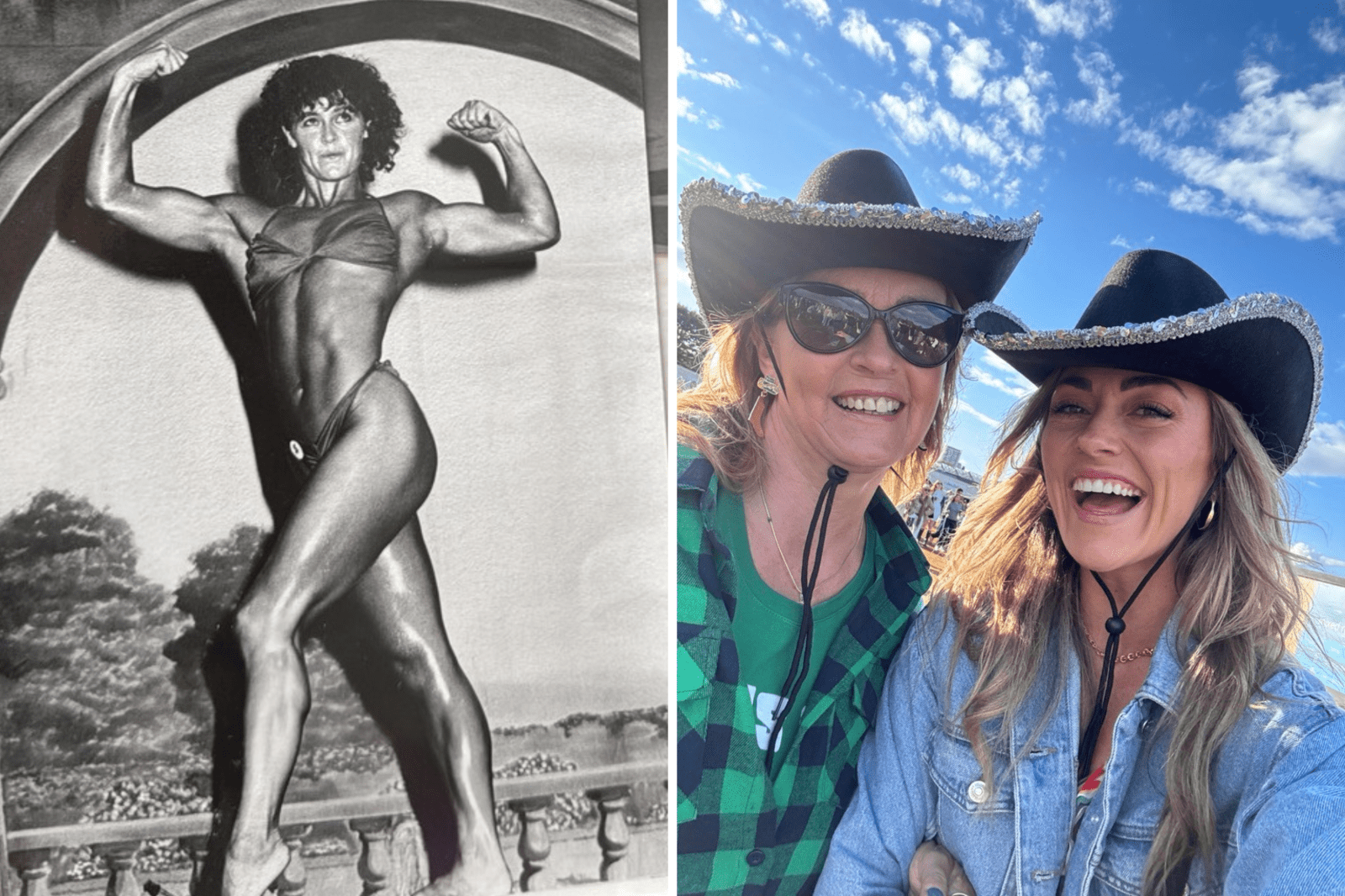
Growing up, my mom was the epitome of fitness and strength. She excelled as a gymnast, representing Great Britain at the national level, later transitioned into bodybuilding, and eventually worked in gyms. Her life revolved around fitness, family, and adventure. When my brother and I were young, my parents took us on a two-year world tour, homeschooling us during the journey.
Her energy was contagious, and she brightened every room. She taught us to embrace life fully. However, when she started pulling away in her early 50s, it felt wrong. Unusual mood swings, depression, and isolation became apparent, contradicting her family-centered nature. Initially, doctors suggested it might be a midlife crisis or menopause, typical changes in women of that age. A neurological condition seemed unlikely.
The uncertainty disrupted our family. Reflecting now, we wish we had been more supportive, but we were unaware of the true issue.
At 57, she experienced language difficulties, struggling to articulate sentences. Multiple tests resulted in a diagnosis of early-onset Alzheimer’s. This illness affects approximately 7.75 million individuals worldwide aged 40 to 64. The diagnosis was a relief, yet heartbreaking too.
Dementia is often associated with old age, so accepting her diagnosis was difficult. Due to mom’s age, we sought further tests, hoping for another explanation. Initially, mom comprehended her diagnosis which impacted her mental well-being significantly. My brother and I, in our 20s, assumed power of attorney, faced with the shock of mom losing her ability to drive and her independence.
There is no cure, only medication to slow the disease’s progression. Over time, we learned grief can extend before someone passes. Observing mom’s gradual change was devastating.
Seven years after diagnosis, mom remains at home with help from dedicated caregivers. She requires assistance for cooking, medication, and daily tasks. We discovered life doesn’t cease with a diagnosis. Initially, we protected mom excessively, but now realize independence and identity preservation is vital.
Activities like movement and music are crucial. Dancing and music create a bridge to communicate. We learned to engage in experiences that bring her joy. Helping people with Alzheimer’s retain identity and confidence is essential. They deserve respect and dignity.
Despite the challenges, mom treasures her bodybuilding memories. Tempted to keep our experience private, sharing became necessary as many families face similar situations.
We refuse to abandon mom. Regularly sharing outings on Instagram allows others to witness moments, such as wedding dress shopping. Although terrifying, worrying mom wouldn’t understand, it became a cherished day. Undoubtedly, she felt proud and happy during that experience.
Realizing moments like this were achievable reinforced our resolve. Mom often recalls that trip, her limited short-term memory notwithstanding. Instilling joy, love, and connection remains possible.
Our story aims to help families recognize dementia’s early onset or inspire them to maintain meaningful memories with loved ones. Though Alzheimer’s altered our lives, mom’s capacity for joy persists. We cherish those moments wholeheartedly.
Talilla Henchoz, aged 32, is an online fitness coach based in Surrey. Sharing her family’s story seeks to raise awareness about early-onset Alzheimer’s, inspired by her mother, Debbie Henchoz, aged 64, who serves as a marketing manager for gyms and is a grandmother.
For inquiries about this story, contact Newsweek editors: Charlotte Nisbet and Emma Lee-Sang.