
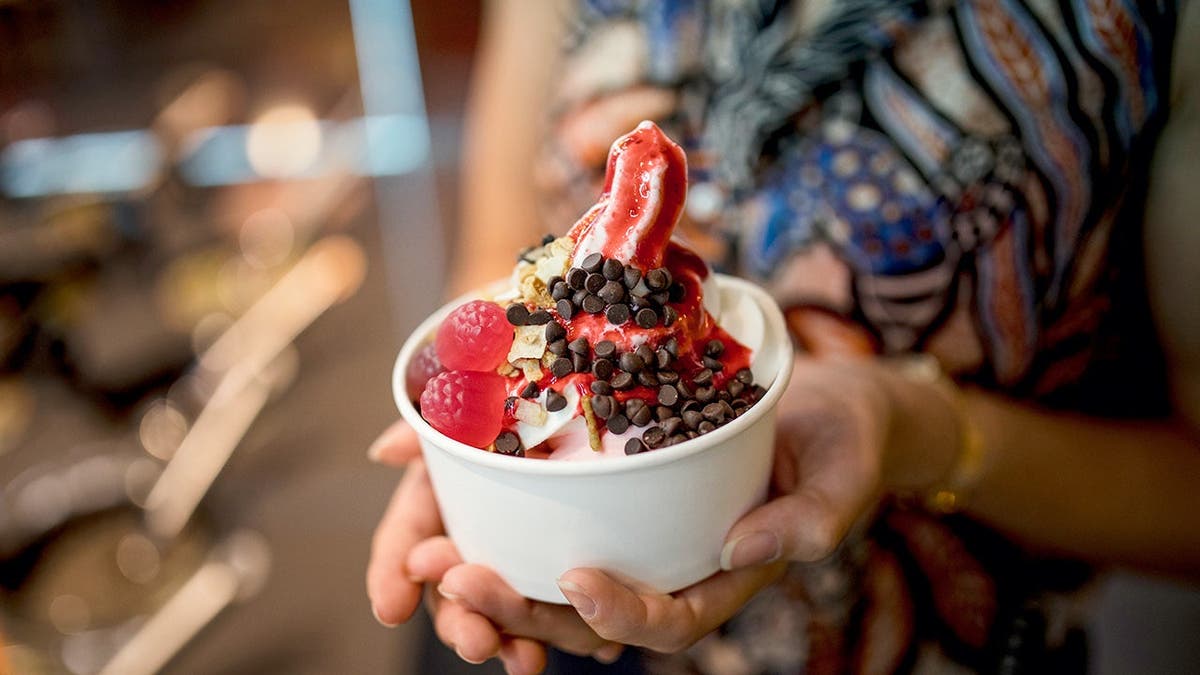
Frozen Yogurt’s Comeback
Neil Hershman, CEO of 16 Handles, explained the resurgence of frozen yogurt during an appearance on Fox & Friends. He highlighted the health benefits, including probiotics, lower calories, and higher protein, that modern frozen yogurt offers. These elements make it a gut-friendly treat, appealing to health-conscious Americans.
16 Handles distinguishes its offerings with a self-serve concept, featuring 16 flavors and over 50 toppings, including new kefir soft-serve options. This diversity drives customer demand, allowing consumers to customize their dessert extensively.
“Americans looking for a sweet treat without compromising health are now willing to spend up to $20 on protein-rich frozen yogurt topped with premium ingredients like pistachio cream and olive oil.”—Fox News Report
Popularity of Greek Frozen Yogurt
Greek frozen yogurt stands out due to its higher protein content compared to regular options. The Wall Street Journal reported a rise in popularity for this variety, alongside upscale toppings and presentations. A digital creator, known as @f00dme, shared their experience at Birdie’s frozen yogurt shop in New York City, initially skeptical of the $20 price tag. They confirmed the value once premium toppings were added, highlighting options like mochi bites, pistachio sauce, and olive oil.
Birdie’s offers high-end toppings beyond traditional candy and cookie add-ons, which contributes to the $20 price tag.
Trends and Consumer Preferences
Aligning with health trends, frozen yogurt has become popular for its “gut health” benefits and appealing presentations. The Journal suggests that Gen Z, known for drinking less alcohol and avoiding bars, embraces frozen yogurt shops as spots for social gatherings. Shops provide a relaxed café atmosphere ideal for meet-ups.
Established in 2012, Go Greek positions itself as a pioneer in healthy living, offering self-serve Greek frozen yogurt with mostly sugar-free toppings. They invite customers to indulge guilt-free, emphasizing the nutritional benefits over traditional options.
Market Growth
Statistical data supports frozen yogurt’s renewed interest. The global market size, valued at $1.93 billion in 2025, is projected to grow to $2.65 billion by 2034. This growth reflects increased consumer demand for healthier dessert alternatives.
Some shops are committing to sustainable practices. Mimi’s in New York City uses locally and seasonally sourced fruit alongside ingredients like matcha and real vanilla bean.
Culture Club in Nashville enhances desserts with artisan ingredients, such as Maldon sea salt and rose petals. The customizability factor significantly appeals to modern consumers.
Enthusiasm Among Younger Generations
Frozen yogurt shops have become trendy hangouts for Gen Z, who are less interested in alcohol-centric venues. At 16 Handles, customers can explore better-for-you options, including vegan offerings like oatmilk soft serve and real fruit sorbets. This range appeals to varying dietary preferences.
Frozen Yogurt’s Advantages and Challenges
Despite lower fat content, frozen yogurt can contain high sugar levels. Historically, oversaturation and declining trust cooled consumer enthusiasm, as noted by Maeve Webster from Menu Matters. Yet, today’s market is finding new traction.
Frozen yogurt’s previous boom in the early 2000s was driven by similar health-oriented intrigue, particularly among those seeking less fattening options.
16 Handles plans its first California expansion with eight stores. This move highlights the growing demand and potential this niche holds.