
The California High-Speed Rail Authority has faced repeated delays in purchasing trains, which federal officials cited as a reason to withdraw $4 billion in funding. Over a year and a half since the original deadline, the authority has not specified when the contract will be awarded, leaving the timeline uncertain.
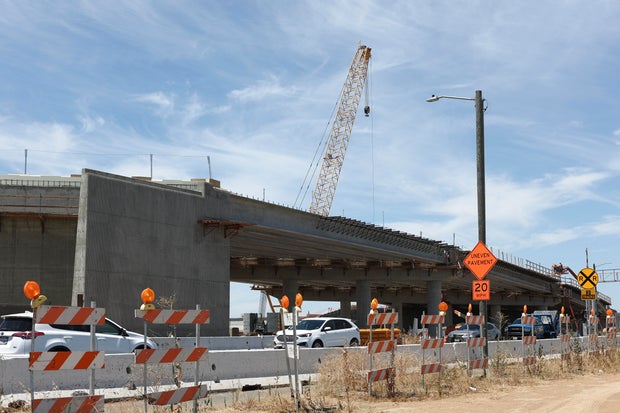
This project, approved by voters in 2008, aimed to connect San Francisco and Los Angeles in under three hours using trains capable of speeds up to 220 mph. Presently, no direct line exists between these cities, and the journey can take 10.5 to 12 hours. The current plan only addresses the central 171-mile section between Merced and Bakersfield in the Central Valley, chosen due to simpler construction conditions without tunnel requirements. High-speed rail promises to halve the current three-hour travel time. Service was initially expected to start by 2033.
July 2025 | Loss of Federal Funding
In July 2025, the Trump administration retracted $4 billion in federal funding, citing California’s lack of progress after spending $15 billion across 16 years. Transportation Secretary Sean Duffy emphasized that federal funds require accountability. A vital milestone was purchasing trains, which federal officials deemed critical. This failure led to perceptions of a lack of viable progress, and the project could only offer a reduced system potentially uniting two remote endpoints. Governor Gavin Newsom labeled the funding withdrawal as politically motivated, prompting state Attorney General Rob Bonta to sue. However, the lawsuit was dropped within six months without explanation. It became evident that the rail authority had repeatedly missed procurement deadlines vital to their federal agreement.
December 2025 | Train Contract Delays
High-Speed Rail missed a key deadline on Dec. 1, 2025, to execute a train contract, nullifying assurances to a federal judge about maintaining the project schedule. Missing this deadline further weakened California’s position on being reliable for future commitments, exemplifying the federal argument of the project’s delays. Shortly afterward, the lawsuit was discreetly withdrawn just before Christmas with no official explanation.
January 2026 | Misleading Claims
Attorney General Bonta defended dropping the lawsuit but declined further details. Governor Newsom claimed California was progressing with the high-speed rail project despite no track being laid. A logistics depot was constructed for staging rail materials rather than actual high-speed rail track installation.
June 2026 | Persisting Accountability Issues
Despite previous claims, the state had not laid any high-speed rail tracks by June. Although intentions were stated to begin track installation by year’s end, the procurement status of trains remained undisclosed in the 2026 business plan. Inspector General Ben Belnap highlighted concerns over accountability as train procurement delays hinder testing essential for operational readiness.
August 2023 | Initial Train Procurement Efforts
High-Speed Rail’s board approved train procurement steps in August 2023, stressing its significance for federal timelines and the project’s continuity. An estimated four-year lead time was noted for train readiness post-contract signing, critical for testing phases before service starts.
November 2024 | Potential Changes and Delays
Internal sources pointed to decisions by CEO Ian Choudri to amend train design specifications post-2024 as factors in procurement delays. Although options were narrowed to two finalists, suggestions to change train configurations could necessitate restarting the procurement process. Failed attempts to meet deadlines further extended timelines, challenging the original schedule’s margins.
New Opportunities and Oversight
The rail authority defended its conduct as compliant with federal agreements despite missed deadlines. They attributed federal funding withdrawal as an opportunity for streamlined project delivery. Questions about procurement remain unanswered.
California’s U.S. senators have criticized the removal of federal funding. Senator Adam Schiff emphasized the importance of responsible spending practices and transparency but contested the removal strategy. Senator Alex Padilla attributed motives of partisan influence for the funding withdrawal but vowed to continue pursuing financial support.