
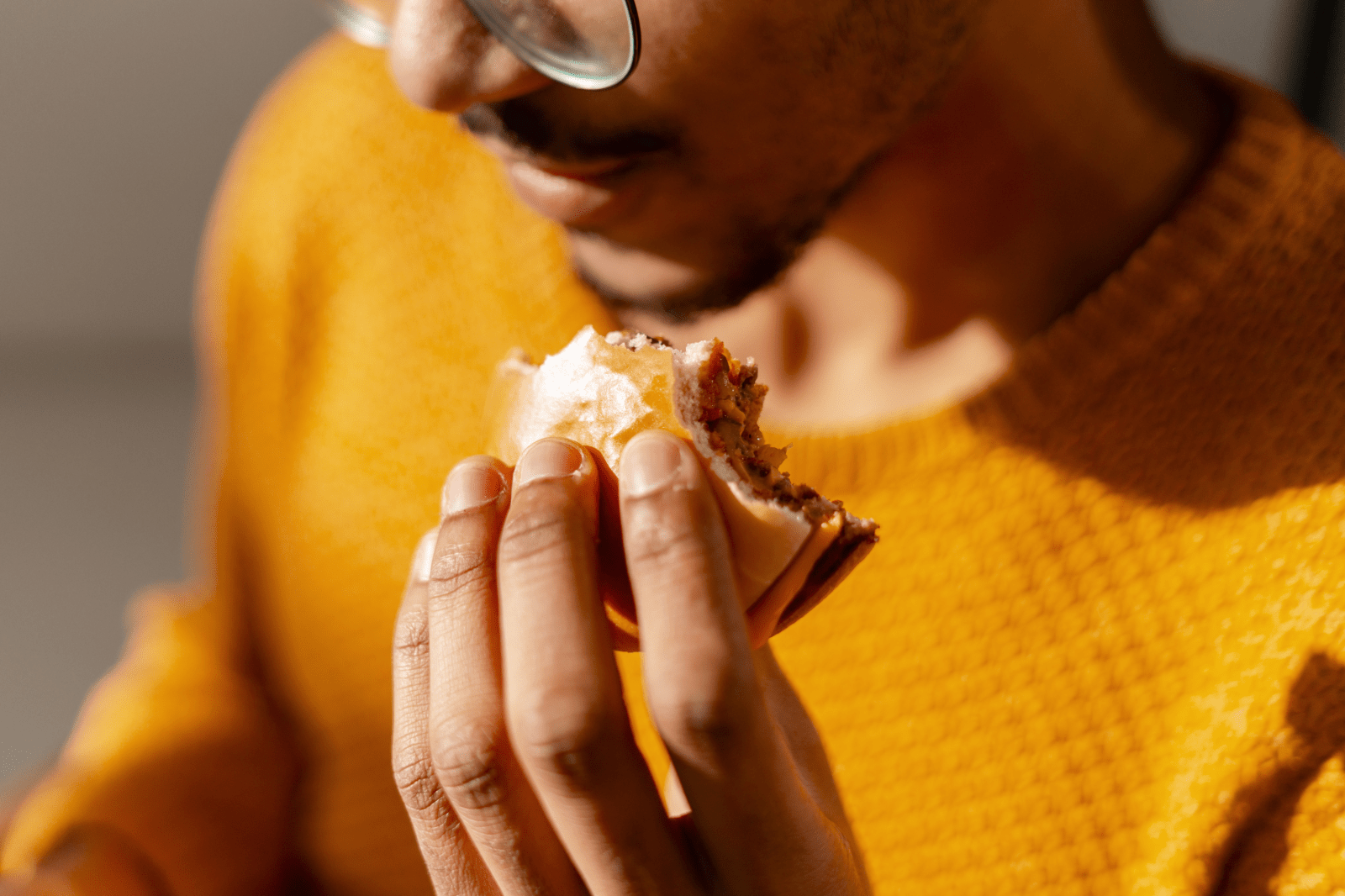
Recent research suggests that the diet men follow before becoming fathers may have lasting effects on their children. The study, published in the journal Nutrition Research, involved 43 families in Ribeirão Preto, Brazil. Researchers focused on whether a father’s intake of ultra-processed foods affects newborn growth and body composition.
Ultra-processed foods are items such as processed meats, sugary drinks, packaged snacks, and industrially manufactured foods with additives not typical in home cooking. On average, these foods accounted for 30% of the fathers’ calorie intake in the study. After considering factors like age, education, smoking, alcohol use, and physical activity, the study revealed a link between higher consumption of ultra-processed foods by fathers and increased birth weight. Newborns showed a higher ponderal index—a measure of body proportionality—and greater skinfold thickness in the thigh and supra-iliac regions.
The findings indicate that preconception health is crucial for both parents, not only mothers. Daniela Sartorelli, a professor at the Ribeirão Preto School of Medicine, coordinated the study. She emphasized that both prospective mothers and fathers should adopt healthy habits before trying to conceive. Sartorelli told Newsweek, “Our data suggest that both the mother and the father should follow a healthy diet during the preconception period.” She also pointed to existing research linking a father’s weight, exercise, alcohol, and tobacco use to child health outcomes.
Sartorelli recommended limiting ultra-processed foods before pregnancy, stating, “The data suggest that both expectant mothers and fathers should avoid consuming ultra-processed foods during the preconception period. There is no safe limit for the consumption of these foods, so it is advisable to avoid them in the diet.” While the study did not find a significant link between fathers’ diets and overall neonatal body fat, it suggests paternal dietary habits might affect specific areas of fetal growth.
The study notes that a father’s influence could occur through epigenetic changes, affecting gene function without altering the DNA sequence. One potential mechanism involves the IGF-II gene, inherited from the father, which is crucial for fetal growth. Prior studies have indicated that diet and obesity might modify the regulation of this gene through DNA methylation.
The research also discovered differing effects based on whether the diet was maternal or paternal. Paternal consumption of ultra-processed foods correlated with higher birth weight, while maternal intake early in pregnancy was associated with lower birth weight, shorter length, and smaller head circumference. This may be due to differing biological pathways affecting fetal development.
Researchers warned of the limited sample size and reliance on dietary recalls rather than direct observation, using fathers’ diets during pregnancy as proxies for preconception habits. These limitations mean the findings should be viewed with care, and do not conclusively prove ultra-processed foods caused the differences seen in newborns.
Nevertheless, the study underlines the importance of including fathers in preconception health discussions. If confirmed by larger studies, the results could strengthen the evidence that men’s diets before conception might influence their children’s health from the start.
Carvalho, M.R., Miranda, D.E.G.A., Baroni, N.F., et al. (2026). A higher paternal ultra-processed food consumption is directly associated with parameters of neonatal anthropometry. Nutrition Research, 151, pp.16–25. doi:10.1016/j.nutres.2026.04.015.