
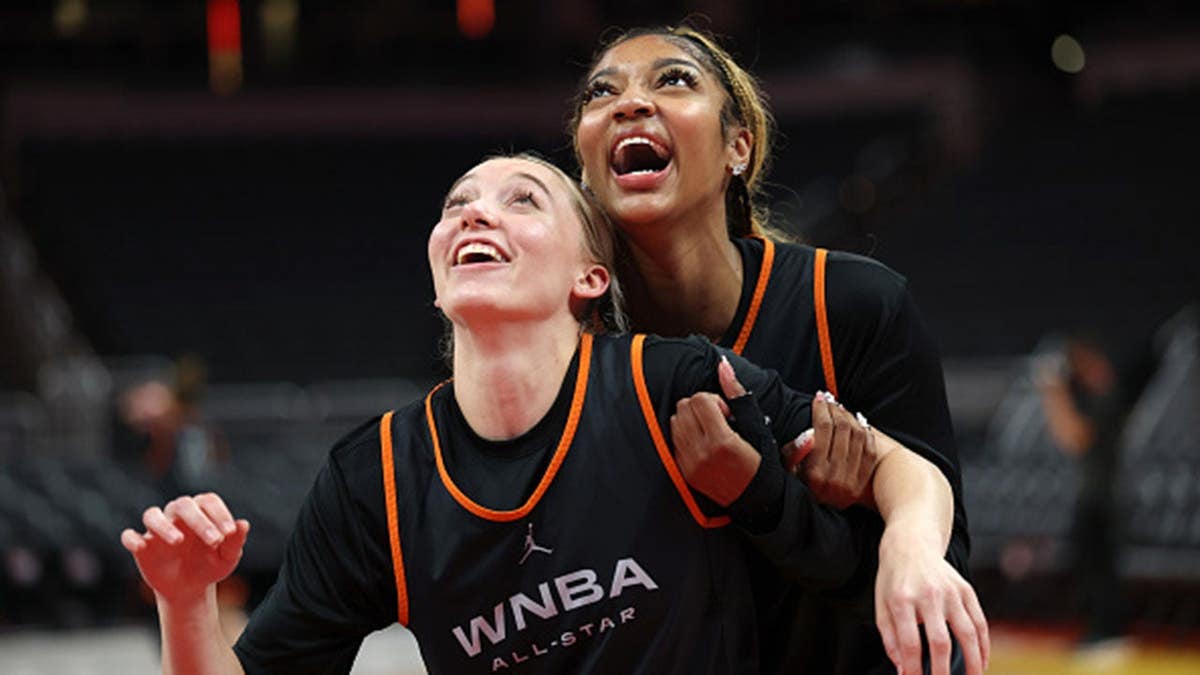
The WNBA recently found itself in a gambling controversy following a seemingly harmless interaction between two of its players. During the All-Star Weekend, Paige Bueckers of the Dallas Wings and Angel Reese of the Atlanta Dream agreed to a light-hearted $400 wager on their upcoming matchup. For these athletes, whose endorsement earnings overshadow their salaries, $400 might be trivial. However, when the league’s social media team promoted the exchange, they faced unintended consequences.
In promoting the friendly bet, the social media team seemingly ignored Section 5(c) of the WNBA’s Collective Bargaining Agreement. This section expressly prohibits players from betting money or anything of value on the outcome or any aspect of a WNBA game, with violations resulting in possible fines or suspensions. By sharing the clip, the league inadvertently highlighted a breach of its rules.
The social media post, meant to engage fans, was quickly removed. However, the internet’s nature ensured the content spread faster as users scrambled to view the deleted exchange.
This public misstep emerged amid the league’s efforts to embrace legalized sports betting. Over the years, the WNBA has signed partnerships with sportsbooks and integrated betting odds into broadcasts. The timing of this controversy presented a challenge for Commissioner Cathy Engelbert. She faced a difficult choice: enforce the rules against Bueckers and Reese, risking backlash, or failing to act and inviting questions about the rulebook’s integrity.
Ultimately, the situation underscored the league’s error rather than any player misconduct, spotlighting the repercussions of chasing online attention without careful consideration. It’s notable to point out that other players, such as Caitlin Clark, haven’t gotten involved in similar controversies.