
Few people are aware of the national vaccine court. Originally established in the 1980s, this court sits discreetly near the White House. It’s designed to balance public vaccination benefits with rare individual injuries. Over the years, the court has awarded billions in compensation to those claiming vaccine-related injuries.
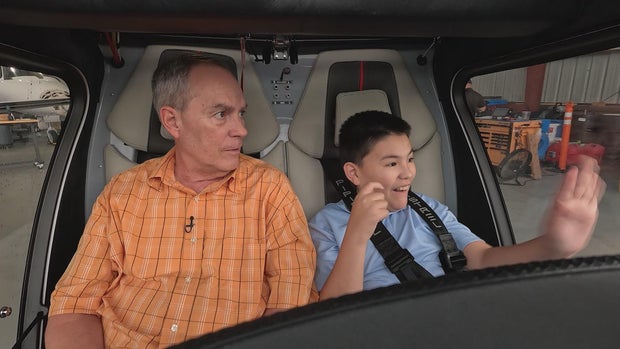
Jacob Thompson’s story helps illuminate the court’s role. Born in St. Louis in 2011, Jacob was a normal, active baby. His father, John, was a pilot, and his mother, Huali, recently moved from China. At six months old, Jacob received a DTaP vaccine, which is generally safe. Unfortunately, his health worsened after a seizure. By age two, he endured hundreds of seizures daily and was diagnosed with severe epilepsy.
John Thompson: “We had this perfectly normal, happy little baby.”
Seeking answers, the Thompsons turned to attorney Renée Gentry, a vaccine injury specialist based in D.C. Most of her clients are vaccinated and not anti-vaccine, but skepticism regarding vaccine injuries persists due to their rarity. The odds of serious vaccine injuries are low, resembling those of winning the lottery or being struck by lightning.
If an injury occurs, families can approach the vaccine court. This court operates under the National Vaccine Injury Compensation Program, which emerged in response to 1980s public health scares. When civil lawsuits led vaccine manufacturers to exit the market, Congress passed a bipartisan bill securing manufacturers’ interests while acknowledging potential vaccine injuries.
The program uses a “no fault” system, where proving negligence isn’t required. For Jacob, the court deemed it likely that his vaccines aggravated a genetic mutation. In 2025, the family received a $2.1 million ruling, including a lifetime annuity for Jacob’s care.
Renée Gentry: “You want this court to work for vaccine-injured people.”
Interestingly, the court’s structure allows opting out to sue manufacturers directly, but few pursue this. The court’s decisions don’t require jury involvement and lawyers receive hourly pay. Compensation funds come from a 75-cent tax on recommended childhood vaccines.
While challenges exist, the vaccine court remains crucial. Its Vaccine Injury Table specifies vaccines and injuries eligible for compensation. Although claims sometimes lack scientific certainty, the program prioritizes avoiding missed legitimate cases.
Controversy persists, particularly concerning the autism-vaccine link, extensively investigated and refuted in court. Despite this, influential figures like Health Secretary Robert F. Kennedy, Jr., voice concerns. His uncle supported the court, but RFK Jr. seeks to expand compensation criteria to include neurological conditions related to autism.
The court’s delays are well-documented. Ryan Farrell’s case highlights this issue, with his vaccine-related illness still awaiting damage assessment years later.
The court’s chief special master has repeatedly sought congressional resources to manage over 3,000 pending cases. Legislative reluctance, driven by vaccination’s politicization, complicates efforts to address delays.
For families like the Thompsons, the vaccine court isn’t about broader debates. It’s about ensuring their child’s well-being. The program, originating with bipartisan cooperation, continues to balance vaccine accessibility with acknowledging rare injuries.
Produced by Denise Schrier Cetta, Elizabeth Germino, Arman Badrei, and Mimi Lamarre. Edited by Warren Lustig.