
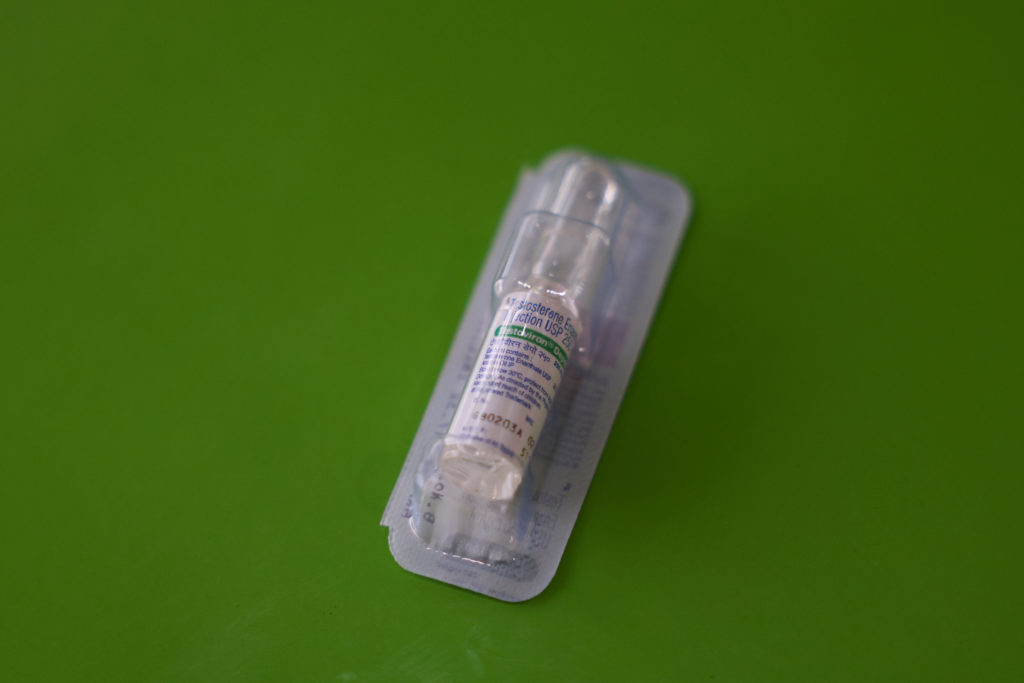
Defense Secretary Pete Hegseth announced plans for an annual testosterone level test for U.S. service members. Hegseth made this announcement on July 15, emphasizing the need for a ‘High-T Department of War.’ In a video statement, he explained that service members aged 30 and above would undergo mandatory screening as a part of their regular health assessments. Those under 30 could choose to participate voluntarily.
Hegseth clarified that the initiative focuses on restoring natural capabilities, not enhancing them artificially. He stressed the importance of longevity and having the biological foundation needed for sustained performance. However, testing and treatment are not simple. Consensus on testosterone levels is lacking, with no single value considered universally low. It varies based on sex, age, and symptoms.
“This initiative isn’t about artificial enhancement. It’s about restoring and optimizing your natural capabilities.” — Pete Hegseth
Scientists are divided on what constitutes low testosterone. Some people with low levels may not require therapy, which has both benefits and risks. A July 15 Pentagon statement confirmed that the screening Hegseth detailed would be enforced for all active duty and reserve personnel aged 30 and older.
Understanding Testosterone Levels
Testosterone requirements differ among individuals. The Endocrine Society states that normal levels for adult men range from 300 to 1,000 nanograms per deciliter. A nanogram is one-billionth of a gram, and a deciliter is one-tenth of a liter. Research involving more than 9,000 men in the U.S. and Europe indicated a similar range, from 264 to 916 nanograms per deciliter. Women’s levels are notably lower, ranging roughly from 15 to 70 nanograms per deciliter.
As people age, testosterone naturally declines. For men between 30 and 40, levels drop by approximately 1% to 2% each year. No consensus exists on a level deemed too low, but typically, a level consistently under 280 to 320 nanograms per deciliter could signal low testosterone. Testing requires at least two morning blood tests on separate days to confirm low levels due to natural fluctuations.
Testosterone Replacement Therapy
Testosterone replacement therapy (TRT) helps those with confirmed low testosterone levels. It involves external testosterone via patches, injections, pills, or gels. Treatments vary based on the form prescribed. Some apply gel daily, while others take pills or administer injections at intervals. The goal is to stimulate the body’s natural hormone production, though external hormone use has implications, according to Dr. Ravi Iyengar of UC San Diego Health.
Benefits and Risks of TRT
TRT can alleviate symptoms like energy loss, decreased libido, and weakened metabolic functions. However, drawbacks include difficulty ceasing therapy without side effects. Risks involve infertility, diminished sperm production, sleep apnea, and increased blood clot risks. Women faced with low testosterone may experience similar side effects, such as acne and facial hair growth.
TRT and Gender-Affirming Care
Although not FDA-approved for women, testosterone replacement can be used off-label to address low sex drive, particularly during menopause. TRT can also be considered gender-affirming care. Though some think hormone therapy is only for transgender individuals, it benefits cisgender people too by enhancing personal alignment and comfort. Bioethicists highlight the importance of aligning medical interventions with patients’ gender experiences.