
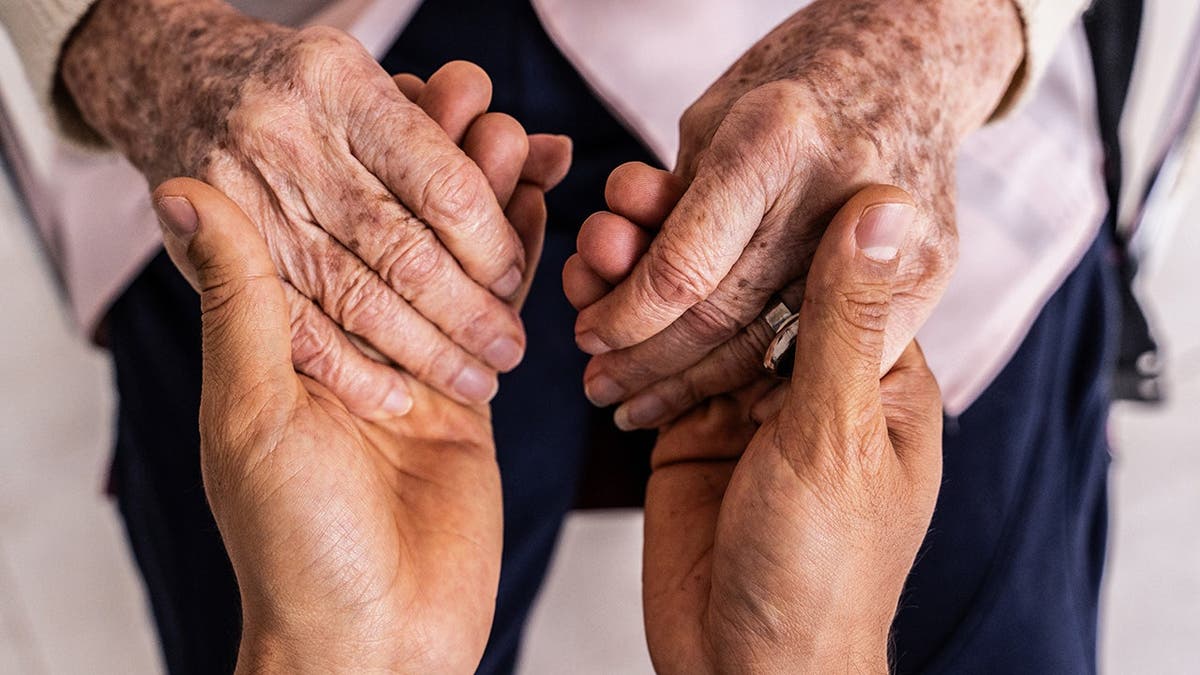
People worldwide are experiencing longer lifespans, simultaneously facing increased years of ill health, a study shows. The ‘morbidity gap,’ representing the years spent with health challenges like chronic back pain, hearing loss, and depression, has stretched across 203 out of 204 countries analyzed. Researchers identified the United States as having a significant gap.
Statistics on Health and Longevity
According to the Institute for Health Metrics and Evaluation at the University of Washington, in 2023, people globally spent an average of 14.5% of their lives in poor health, compared to 13.6% in 1990. The United States exhibits a morbidity gap of roughly 14 years, accounting for 17.8% of the expected lifespan. Between 1990 and 2023, the global life expectancy grew from 64.6 to 73.8 years, while the healthy life expectancy increased from 55.9 to 63.1 years. Despite longevity gains, the number of years people endure chronic diseases and disabilities has risen.
The gap is most pronounced in wealthier nations where resources support life extension. Additionally, women outlive men but face prolonged years of poor health.
The Medical Perspective
Dr. Antony Chu of Brown University, speaking to Fox News Digital, noted that modern medicine has done well in reducing mortality from diseases but those extra years are often lived with issues like chronic pain, disability, and sensory loss.
We have become skilled at delaying death, but not as effective at delaying functional decline.
Chronic Health Trends
The Lancet Public Health reports emphasized a few non-fatal conditions such as musculoskeletal disorders like low back pain, and mental disorders such as depression that largely contribute to the morbidity gap. These disorders account for 57% of all years lived in poor health globally, with factors like high fasting plasma glucose and obesity amplifying the trend as populations age.
Though the study indicates broad health trends, specific causes of increased years of poor health remain unproven.
Dr. Christopher Murray highlighted that future health improvements hinge not only on longer lives but healthier ones. The focus should shift to compress the morbidity gap, emphasizing prevention and chronic care to reduce poor health years. The ultimate medical frontier, according to Dr. Chu, involves adding life to years rather than simply extending them.
Preventive Measures
Functional decline begins years before disability becomes evident, offering a chance for early intervention. Maintaining mobility through resistance training, fall prevention, muscle mass care, and early back pain treatment should be core aspects of preventive medicine.
Beyond physical health, maintaining mental health and social connections significantly impacts well-being. Addressing hearing loss, depression, anxiety, and loneliness early can enhance both longevity and independence.
In some cultures, older adults play active roles within multigenerational families, offering them protection against loneliness. While many older Americans face social isolation, the inclusion in meaningful relationships can be vital for lifespan health.
Teresa Mull contributes to Fox News Digital’s Lifestyle team.