
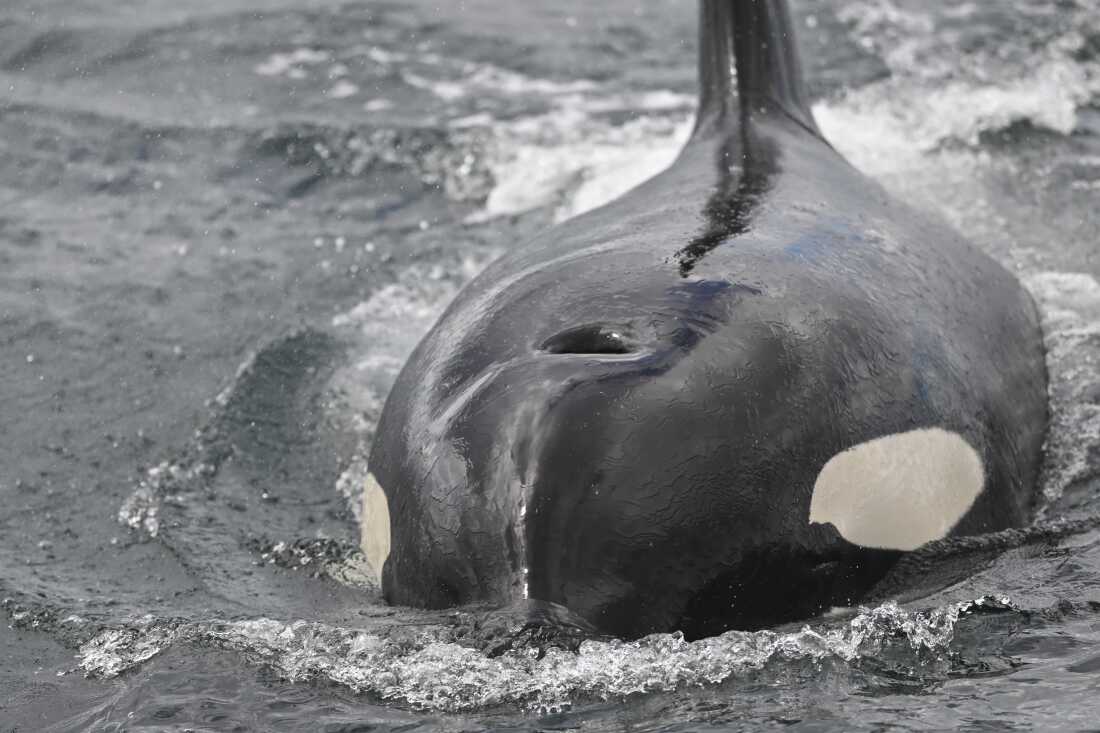
Orcas are exhibiting unexpected behaviors that have garnered attention. A recent study reveals that these marine mammals have been observed ramming sunfish so forcefully that the fish break apart. The study, involving Kathryn Ayres from the ocean-health nonprofit Beneath The Waves, documents this unusual phenomenon.
While off the coast of Cabo San Lucas, Ayres witnessed an orca holding a sunfish in its mouth as another orca charged at high speed, causing the sunfish to burst into pieces. The research team, including marine biologist Erick Higuera from Conexiones Terramar, found this ‘stabilize-and-ram’ behavior noteworthy enough to document in a published paper.
Seeing a large animal burst into fragments looks shocking,
Higuera remarked. However, he noted it’s an example of highly specialized biology rather than something deranged or cruel. According to Ayres, this behavior might support younger orcas in feeding, or it could simply serve as entertainment.
Orcas have demonstrated various playful behaviors in the past. Off the coast of Washington state, they have been seen wearing salmon as headgear. Some young orcas even take to sinking ships for amusement. Comparing them to cats, Robert Pitman, a marine ecologist at Oregon State University, believes orcas enjoy teasing both prey and non-prey. Despite not being part of the study, Pitman suspects the ramming behavior is primarily a feeding strategy.
Older orcas that consume sharks often struggle to eat later in life because of worn-down teeth. Sunfish are challenging prey due to their massive weight and tough, rubbery skin. Pitman thinks that by ramming, orcas efficiently break down sunfish into manageable portions. Higuera supports this view, explaining that orcas lack hands or tools, thus making this method practical.
As to whether the behavior serves as fun, Higuera suggests it could depend on several factors: voluntary participation, rewarding outcomes, and the presence of exaggerated actions. The two documented occurrences include one witnessed by Ayres in July 2024 and another captured by a tourism operator. Both instances displayed elements of a social game, akin to a sport.
There’s speculation that this activity could also represent a form of parental care. Perhaps adults prepare food for younger sunfish by breaking it into bite-size pieces. Higuera suggests that collecting more examples of this behavior would help understand whether it’s more leisure-focused or functional.
Although these ramming instances occurred in Baja California, Pitman wonders if orcas in other regions also practice this innovative strategy. Higuera shares this curiosity and considers the behavior might be ‘cultural knowledge’ among a select few pods.
Maybe now I know,
Pitman remarked regarding the behavior. Nevertheless, he advises caution for those wishing to witness these creatures in action, as there are risks of close encounters.