
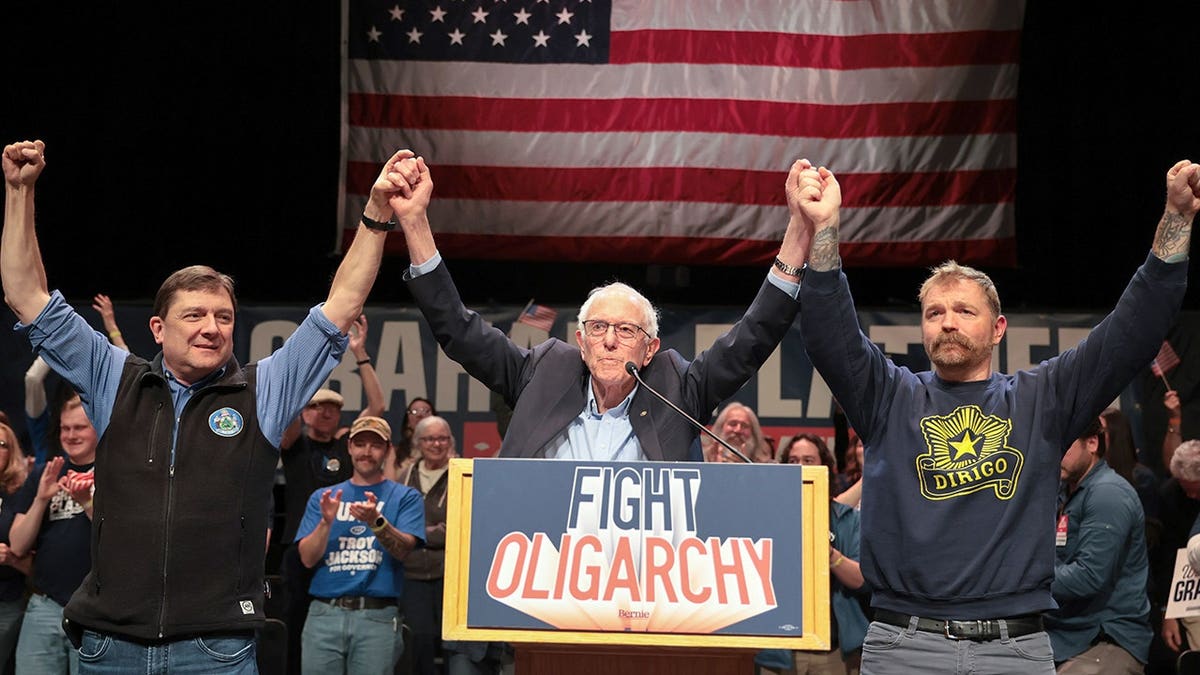
Recent elections featuring democratic socialists and progressive outsiders have sparked debates about America’s political direction. These debates often question if the country is moving significantly to the left. The election of figures like New York’s Mayor Zohran Mamdani and Maine’s Graham Platner, before his campaign’s decline, have intensified these discussions.
Progressive Wins and Public Perception
Conventional thinking suggests these victories show a shift toward liberal ideas. However, this viewpoint may miss the bigger picture. The rise of figures like Troy Jackson, a self-proclaimed “pickup truck progressive” in Maine, adds to this narrative. Sen. Bernie Sanders has supported Jackson, highlighting broader trends.
Distrust in Institutions
The real issue is not strictly the rise of democratic socialism. It’s about a widespread loss of faith in traditional institutions. Many Americans doubt these institutions’ abilities to effectively solve problems. This distrust doesn’t strictly push voters left or right. Rather, it opens them up to candidates who challenge established norms.
Recent Gallup polls underscore this distrust. Confidence in Congress stands at a mere 9%. Other institutions, like the criminal justice system, higher education, and big business, have also seen confidence decline over generations.
The Appeal of Outsiders
This trend reflects more than dissatisfaction with single institutions. There is a profound confidence crisis across the entire system. Voters now often prioritize candidates who promise disruption over those proposing incremental change.
For instance, the appeal of Graham Platner in Maine centered on challenging tradition, not solely on policy. His campaign gained attention for advocating change outside conventional boundaries.
The Broader Political Narrative
Mamdani’s case mirrors this. His supporters are not dedicated solely to his platform but are seeking major change. His election, regardless of policy stance, represents a push against failing systems.
When Platner left the race, Maine didn’t turn to the safest establishment candidates. Instead, Troy Jackson, an outsider championing working-class issues, became a focus.
This dynamic plays out nationally, as candidates defying institutional norms often outperform traditional candidates. The labels may vary, but the core frustration remains consistent.
The Shift from Traditional Divides
America’s political divide is shifting away from simple partisan lines. It’s increasingly establishment versus anti-establishment. This trend reflects growing skepticism toward existing power structures. While democratic socialism and right-wing populism manifest differently, they share an origin in eroded institutional trust.
A functioning democracy relies on citizen confidence in fair rule enforcement and mistake correction. As this faith wanes, disruptive candidates become more appealing.
Implications for Democracy
Historical patterns suggest people don’t suddenly adopt fringe ideologies. Disillusionment with existing institutions leads them to seek alternatives. The rise of democratic socialism isn’t the primary political story. Instead, the collapse of institutional confidence enables such movements.
Until institutions rebuild public trust, expect the emergence of more disruptive figures like Mamdani, Platner, and Jackson. These candidates are not the root issue; they’re symptoms of a broader political phenomenon.