
On Sunday evening, President Donald Trump will take the field at MetLife Stadium, New York, to present the FIFA World Cup trophy to its champion: either Spain or Argentina. This event marks the culmination of years of effort from FIFA, with the aim of delivering a packed stadium, billions of viewers globally, and the host nation’s president central in the spotlight.
The path to this moment was uncertain. Over a month ago, doubts about the first 48-team World Cup took the forefront as many feared political tensions might overshadow the sport. Critics highlighted several issues including high ticket prices alienating fans, and concerns over Trump’s immigration policies potentially reducing international travel and restricting access to stadiums. Various polls reflected indifferent public interest, and major outlets such as Newsweek and Zeteo questioned the event’s viability, with some calling it a “money-grabbing exercise.”
Former FIFA president Sepp Blatter even suggested that fans avoid attending, citing security worries. Consequences of these policies were evident as Iran and Haiti were excluded due to travel restrictions. Player families also faced delays in obtaining visas. The relationship between FIFA and Trump’s administration spurred criticism, notably within Europe, leading to ethics complaints against FIFA President Gianni Infantino.
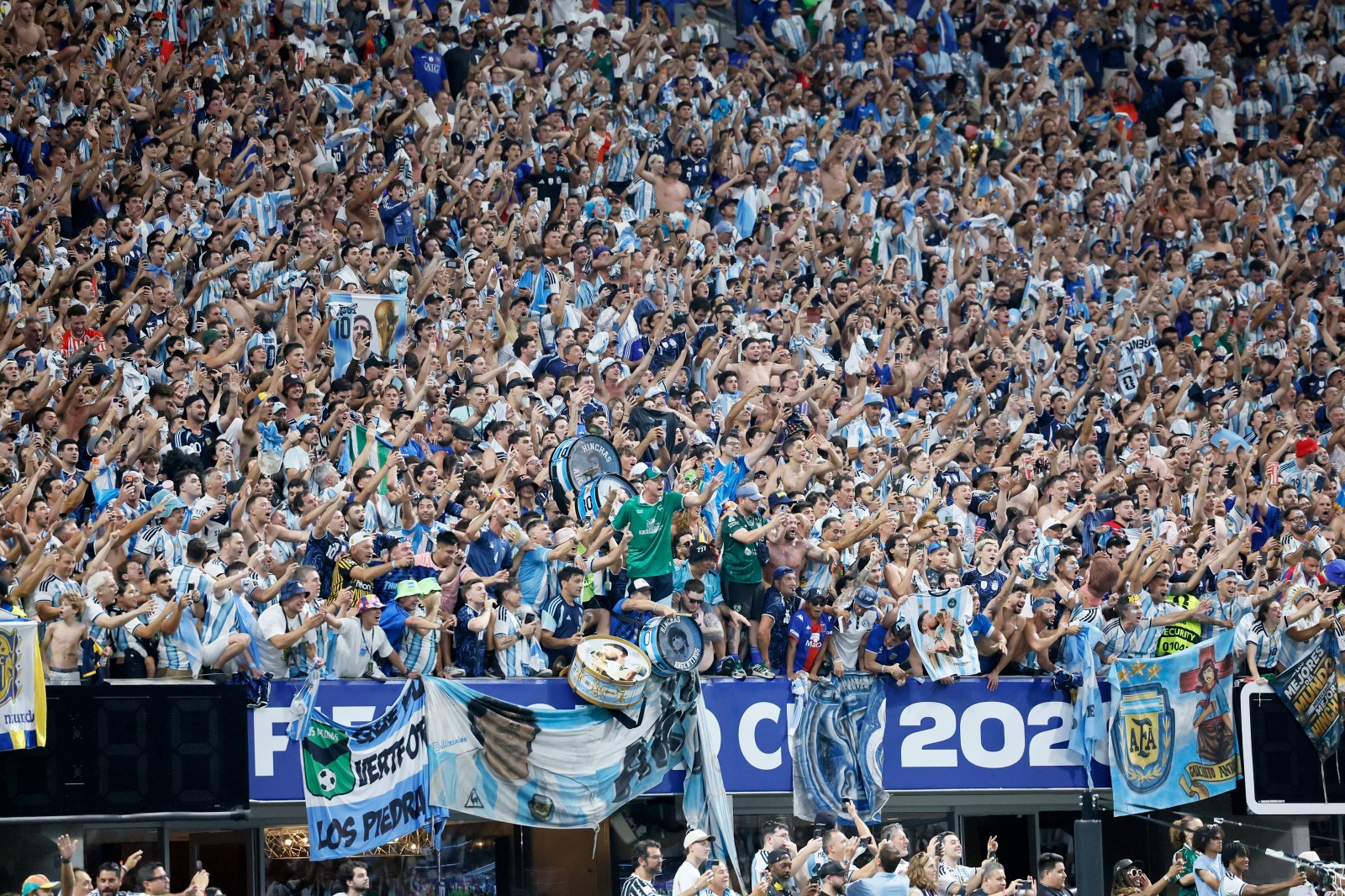
Contrary to expectations, these challenges did not result in disaster. The tournament set records for attendance, drawing over 6.5 million spectators during its first 100 matches. It surpassed previous tournaments, with 99.7% seat occupancy. June witnessed over 426,000 fans attending in a single day, a new record. Television viewership escalated too, with Fox and Telemundo broadcasting to millions, breaking numerous audience records.
The quality of play contributed significantly. This edition saw a 2.94 goals-per-game average by the quarterfinals, reminiscent of the 1970 World Cup. Underdog teams like Cape Verde and Norway received notable recognition, with performances that included historic comebacks and memorable celebrations, respectively.
Trump minimized his public presence during the event, contrary to his typical political strategy. This absence likely eased tensions. The tournament faced no major incidents or diplomatic disputes, and the images circulated were ones of fans celebrating, not protesting.
Democratic officials, initially critical, praised the tournament’s success. Pennsylvania Representative Brendan Boyle noted the importance of local organizations, while Democratic leaders attended and supported the matches.
However, Infantino faced criticism for awarding Trump the Peace Prize and other actions that, some viewed, compromised FIFA’s neutrality. The decision to reverse a red card for American player Folarin Balogun further spurred debate, raising questions about external influence in FIFA’s decisions.
Despite European dissent, Infantino’s position is secure due to FIFA’s global voting structure and the financial success under his leadership.
As the tournament concludes, controversies linger regarding Infantino. Trump, however, will prominently feature at the final trophy presentation, symbolizing a successful World Cup, despite prior skepticism. The tournament’s achievements, historically high attendance, and television audiences reflect a positive outcome aligning with Trump’s anticipated legacy in this context.