
Throughout U.S. history, several physicians have served as senators, bringing expertise from the medical field into politics. For example, Sen. John Barrasso worked as an orthopedic surgeon and chief of surgery at Wyoming Medical Center. Sen. Bill Cassidy, who specializes in gastroenterology and liver disease, co-founded a clinic for impoverished individuals. Sen. Rand Paul practiced ophthalmology for nearly two decades, while Sen. Roger Marshall, an OB-GYN, delivered more than 5,000 babies. Heart surgeon Sen. Bill Frist, known for performing over 150 heart and lung transplants and establishing the Vanderbilt Multi-Organ Transplant Center, served as a U.S. senator from 1995 to 2007 and as Senate majority leader from 2003 to 2007.
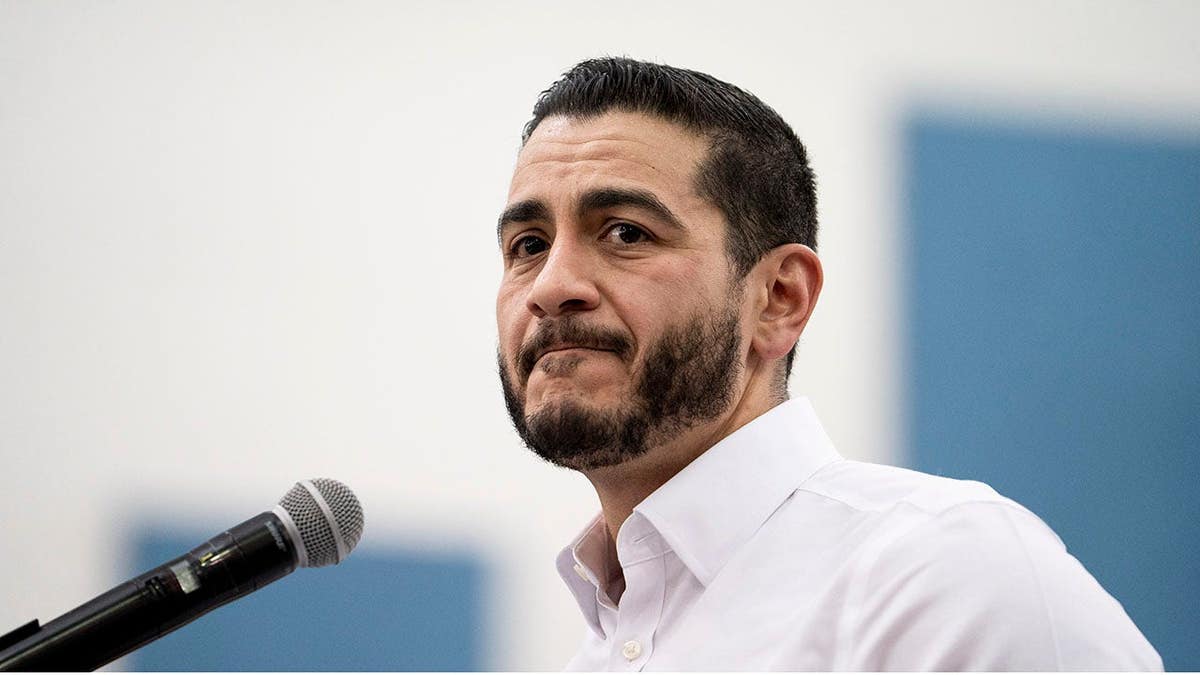
Physicians require qualities such as compassion, sound judgment, calmness, and resolve under pressure. These traits are essential in the role of a U.S. senator as well. This relevance is evident in the ongoing discussion about Dr. Abdul El-Sayed, a Democratic candidate in Michigan’s Senate primary, and his representation as a physician.
LEFT-WING HOST PRESSES EL-SAYED OVER ‘PHYSICIAN’ CLAIM, QUESTIONS HONESTY OF MICHIGAN DEM SENATE HOPEFUL
During an interview on Zeteo, Mehdi Hasan questioned El-Sayed, accusing him of presenting himself as a physician despite lacking an active medical license. “Do you wish you’d just stuck to calling yourself a doctor, which you are, to avoid all of this controversy and attacks on your physician status?” Hasan asked.
As someone with a long-term medical background, I believe that the term “physician” should be used with precision. A physician’s role involves active patient care or research on potential treatments. El-Sayed, although possessing medical credentials, has not engaged in medical practice.
El-Sayed earned a medical degree from Columbia University College of Physicians and Surgeons and a doctorate in public health from Oxford University. He led the Detroit Health Department and served as director of Wayne County’s Health, Human and Veterans Services Department. His academic roles in Michigan and at Harvard underscore his qualifications as a doctor and epidemiologist, but he is not a physician.
DEM SENATE HOPEFUL’S ‘PHYSICIAN’ CAMPAIGN PITCH UNDER FIRE AFTER LICENSE RECORDS REVEAL KEY GAPS
Physician status, according to most state licensing boards like New York’s, entails holding a license to practice medicine. The American Medical Association Journal of Ethics describes physicians as healers grounded in natural philosophy, contrasting with those attributing illness to supernatural forces.
El-Sayed advocates for Medicare for All and authored a related book. He claims independence from insurance companies, but those who actively navigate the insurance landscape grasp Medicare’s mechanics and limits better.
The lineage of physicians in the U.S. Senate reflects high standards. Claiming the title without practicing undermines public trust.
Follow more updates from Dr. Marc Siegel, a professor of medicine and senior medical analyst, whose work highlights the intersection of medicine and politics.