
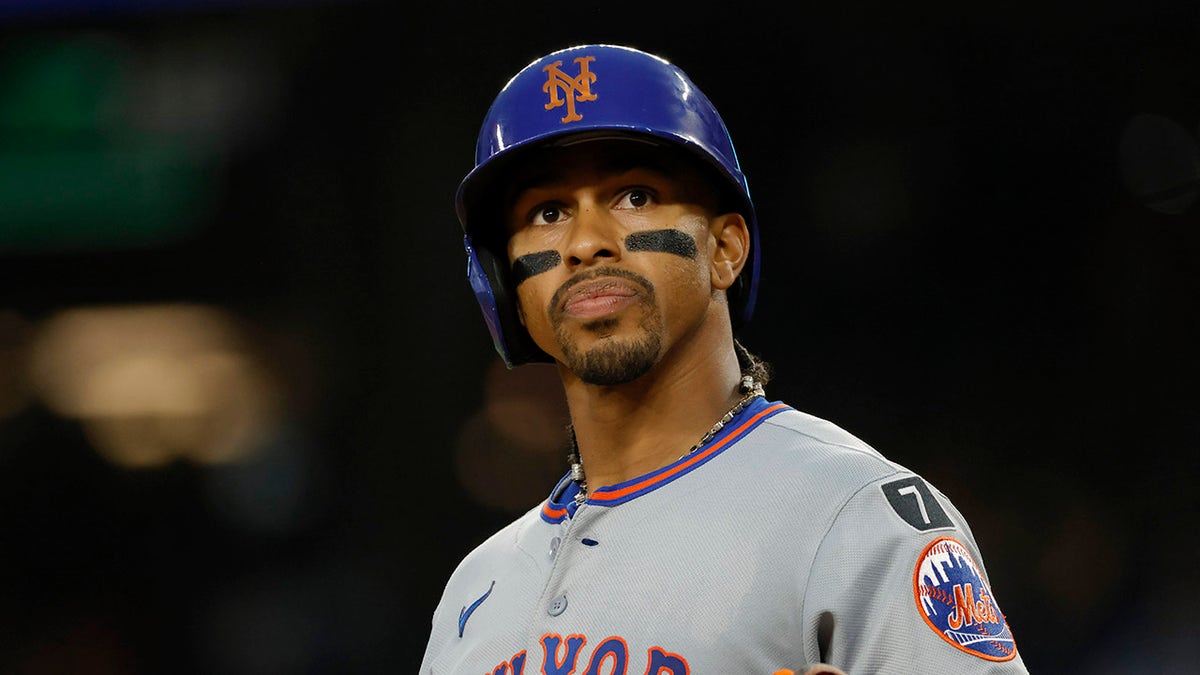
The 2026 Major League Baseball season is more than halfway through, reflecting the unpredictable nature of baseball results. A prime example of this uncertainty is the New York Mets.
Financial Commitments and Team Dynamics
The Mets stand among baseball’s wealthiest teams. Steve Cohen, a billionaire owner, took over in 2020, aiming to create a model organization by combining substantial financial resources with successful front office strategies. Starting in 2022, the Mets allocated more funds to player payrolls than any other team, spending $1.671 billion.
The team offered star shortstop Francisco Lindor a 10-year, $341 million contract before the 2022 season. Additionally, they secured Max Scherzer with one of baseball’s top average annual salary contracts. In late 2023, Cohen enlisted Dave Stearns from the Milwaukee Brewers to rejuvenate the front office. Despite these efforts, the Mets recorded only two postseason appearances, losing to the Padres in the 2022 wildcard series and the Dodgers in the 2024 NLCS.
Performance and Strategic Shifts
In 2023, the Mets finished with a 75-87 record, lagging 29 games behind the leaders. Following the 2024 season, they added Juan Soto with a record-breaking 15-year, $765 million contract, potentially exceeding $800 million. Despite these acquisitions, they missed the playoffs again in 2025, concluding with a regular season record of 83-79.
For 2026, Stearns opted for a major roster overhaul. Pete Alonso joined the Baltimore Orioles while Brandon Nimmo was traded to the Texas Rangers for Marcus Semien. They traded prospects to Milwaukee for Freddy Peralta, signed closer Devin Williams, and brought in talents like Bo Bichette and Jorge Polanco. Yet, as of Tuesday, the Mets find themselves only slightly ahead of the Colorado Rockies for the worst record in the National League. They’ve been outscored by 60 runs and lag 15 games behind the Braves in the National League East, with their postseason odds dimming to a mere 2%, according to FanGraphs.
Impending Changes and Market Dynamics
The situation has reached a critical point. Jon Heyman, a baseball writer, recently reported that the Mets are likely to initiate a “deadline sale.” “Everyone but Ewing, Benge, McLean, Scott, and Soto should be made available,” he mentioned on social media.
Notable players like Bichette, Robert Jr., Peralta, Williams, and Lindor are absent from the list. Trading them could signify an acknowledgment of failed strategies. Despite their underwhelming performances this season, the absence of true sellers may prompt a few teams to consider acquiring these players.
Cohen has voiced reservations about moving Lindor, yet after substantial spending with limited success, a comprehensive rebuild might be the only viable option. Lindor, at age 32, might still yield a decent trade return, albeit lower than expected, given his hefty contract. Similarly, Bichette’s large salary and player options could dampen interest. There remains hope that these stars regain form, though the Mets face an arduous journey in clinching a division title, their first since 2015.
The tale of the 2026 Mets exemplifies that financial might can’t ensure sporting success.