
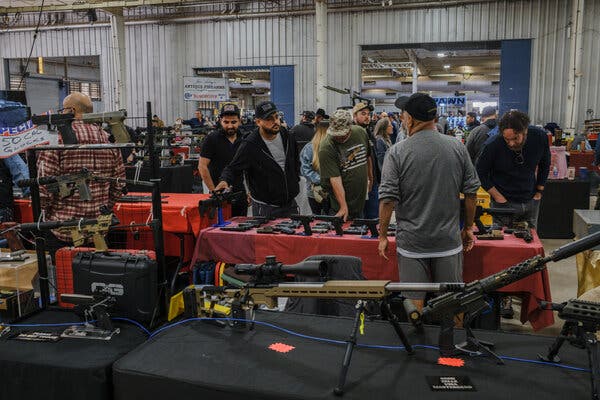
The Trump administration has decided to eliminate more than thirty firearms regulations. They aim to ease restrictions on illegal sales, restore gun rights to individuals with mental illness, and reduce oversight on private weapons transactions.
The Bureau of Alcohol, Tobacco, Firearms, and Explosives (ATF) is responsible for enforcing national gun laws. Critics and some veterans within the ATF express concern that these changes accommodate the demands of gun owners and manufacturers, potentially compromising public safety. They note a reduction in the bureau’s strength, with many officials reassigned to handle immigration enforcement.
Supporters of these changes argue that regulations would revert to their status prior to President Joseph R. Biden’s term. Mr. Biden ushered in gun control measures after a series of mass shootings, aiming to resolve longstanding disagreements on firearm regulation.
This scenario highlights the complexities of gun policy. Kris Brown, president of the Brady Campaign to Prevent Gun Violence, acknowledges the progress made under Biden’s regulations. However, she critiques the Trump administration’s approach, noting its potential to undermine the ATF’s capabilities to regulate the firearms industry effectively.