
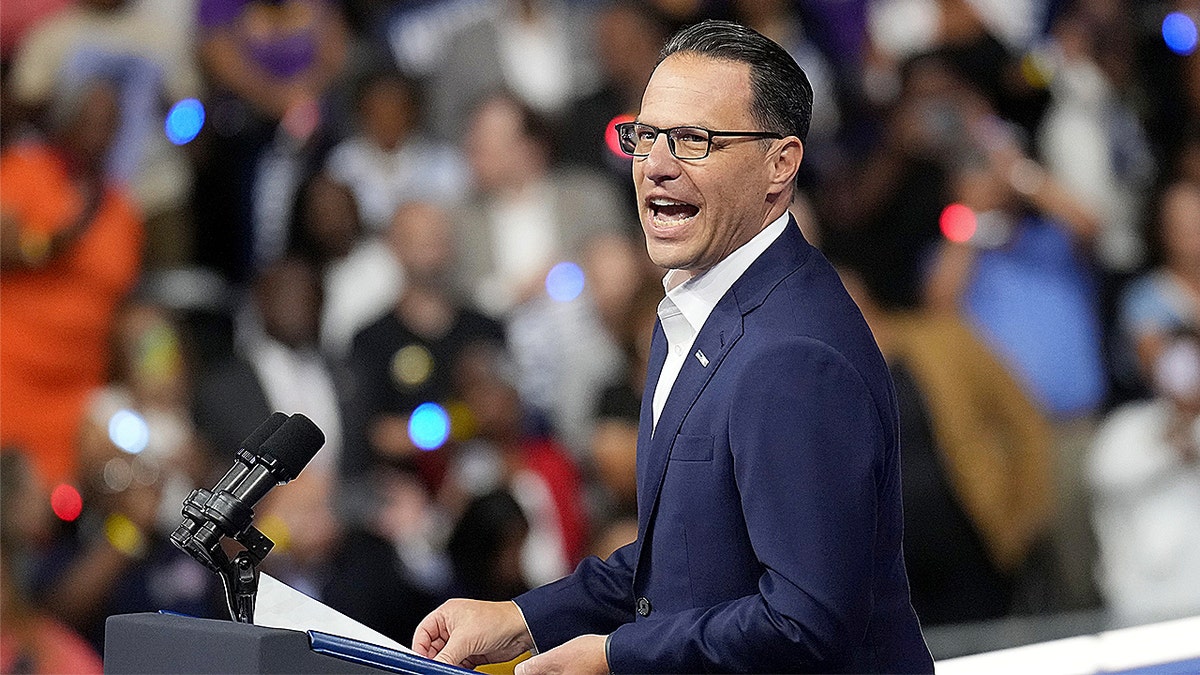
Pennsylvania Governor Josh Shapiro recently sparked controversy with his stance on Supreme Court reform. Appearing on ‘Morning Joe’ on MS NOW, Shapiro voiced support for what he termed ‘radical reform of the Court.’ This echoes calls from other Democratic leaders advocating for changes that could lead to a significant shift in the Court’s composition to favor more liberal decisions.
Shapiro’s comments align with a growing trend among Democratic leaders who support expanding the Supreme Court. This strategy is aimed at countering recent Court decisions and promoting broader changes within the U.S. political system, which some view as too conservative.
During a Philadelphia campaign rally in August 2024, Shapiro appeared alongside then-Vice President Kamala Harris. His alignment with leaders such as Harris and Pete Buttigieg highlights a shift among Democrats toward dealing with rising leftist sentiments within their party.
Although Shapiro’s remarks have caused disappointment among those who viewed him as a potential moderate influence, they reflect a broader struggle within the Democratic Party. The party is navigating pressures from factions urging dramatic reforms, despite concerns about undermining institutional stability.
The Supreme Court has ruled against the Trump administration in cases like birthright citizenship, demonstrating its independence. Yet, Shapiro and others criticize its structure, arguing for reforms to grant greater power to people’s voices in government.
Calls for court expansion vary in intensity, with some references to historical figures who have discussed changing the system to prevent Republican electoral success. This includes perspectives from former Attorney General Eric Holder and political advisor James Carville, both of whom favor swift and decisive action if Democrats gain control of both Congress and the presidency.
Shapiro’s position may be seen as aligning with a strategy to prepare the electorate for potential systemic changes. It represents an attempt to navigate voter sentiment to gain momentum for structural reforms.
Despite fears of the Court’s potential transformation to accommodate more liberal agendas, proponents believe that current events justify such actions. Yet, this stance risks alienating those who value traditional checks and balances within America’s political framework.
Professor Jonathan Turley of George Washington University, a legal scholar with extensive expertise in constitutional law, has criticized Shapiro’s decision. Turley argues that this shift towards court packing undermines the role the Supreme Court should play as a protector of minority rights against majority rule.
Turley is a well-known figure, having advised significant legal cases and testified before Congress numerous times. His recent work, “Rage and the Republic,” examines the fragility of American democratic systems and the intentions of the Framers to avoid direct democracy, which historically has not sustained itself.