
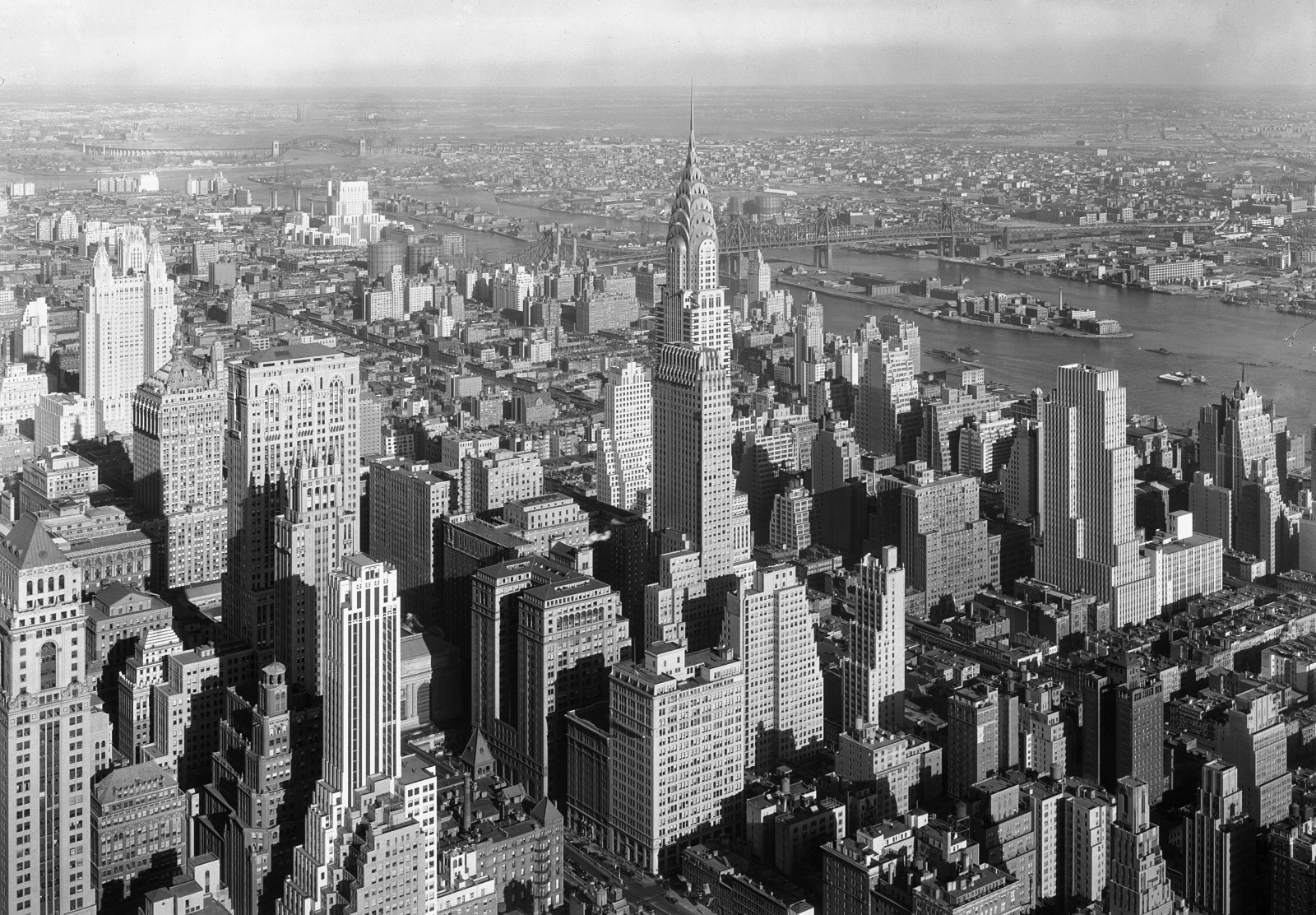
As the United States celebrates its 250th anniversary, architects warn that prioritizing demolition over preservation risks erasing significant elements of its historic character. The trend of replacing older buildings with new developments has already led to the loss of landmarks reflecting local identity and culture. Advocates suggest that a stronger commitment to adaptive reuse is crucial to protect the nation’s architectural heritage.
Among preservation advocates is Gordon Gill, architect for the Jeddah Tower, set to become the world’s tallest building. Gill emphasizes the importance of existing buildings, stating they deserve greater attention. He believes refreshing and maintaining them is vital for a sustainable legacy.
A Debate Rooted in American History
The conflict between preserving old buildings and clearing them for new developments is deeply rooted in American history, predating the modern preservation movement. Historian Whitney Martinko identifies the debates over historic preservation in the early United States as originating between the 1780s and 1850s. During this time, Americans debated whether historic structures should be preserved or make way for private profit and real estate development.
An example from this period involves the sale and demolition of John Hancock’s house in Boston, while preservation advocates successfully saved Mount Vernon. Recent interest in restoring and repurposing older buildings is evident. Projects like the conversion of New York City’s Flatiron Building into private residences signal a wider acceptance of adaptive reuse, as developers seek new purposes for historic structures.
Financial Drivers and the ‘Demolition’ Mentality
Leeswann Bolden, a licensed architect and solutions engineer at Graphisoft, highlights financial factors as the primary motivation for America’s demolition-focused approach. Bolden traces this mindset back to the Industrial Revolution, when rapidly growing populations demanded fast and inexpensive construction, leaving preservation as a secondary concern.
Currently, numerous developers view rebuilding as financially preferable to retrofitting, due to evolving building requirements—such as accessibility standards and HVAC systems. Bolden argues that this approach can overlook the value of preserving historical structures.
Accelerating Development and Disposable Buildings
Miles Smith, a licensed architect and senior industry growth manager at Graphisoft, notes that the rapid growth mindset extends further back. Smith traces America’s development to an urgent need for growth in the new colonies, making speed a priority in the building industry.
Smith explains that stick-frame construction facilitated quick development but also fostered a culture of disposable buildings. He adds that the modern economy relies heavily on new housing, with a focus on continual development potentially threatening existing stakeholders.
Conserving the Nation’s Story
Bolden warns that a demolition-oriented approach risks losing America’s historic narrative, especially during the 250th anniversary celebrations. America has already lost many community landmarks such as churches and civic buildings in favor of newer structures.
Smith shares these concerns, noting attempts by some developers to bypass preservation protections established over the last century. If this continues, communities might lose places that promote social connections and cultural identity, replaced by architecture prioritizing profits over history.
Preserving Cultural Identity
Despite concerns, Smith acknowledges meaningful progress in preserving historic structures over recent decades. He contrasts this with Europe, where adaptive reuse is common over centuries.
Bolden points to European cities using centuries-old stadiums, reflecting different values compared to American priorities. Smith believes preserving historic structures is vital for safeguarding cultural identity, highlighting the diverse influences immigrants brought, creating a ‘patchwork quilt’ of architectural styles.
Smith advocates for embracing adaptive reuse to ensure American architecture conveys a continuous historical narrative. He warns against prioritizing short-term financial gains over preservation, which could lead to historic buildings replaced by arenas and shopping centers.
Smith concludes by highlighting that adaptive reuse allows architecture to reflect its journey, telling a story of transformation over the years.