
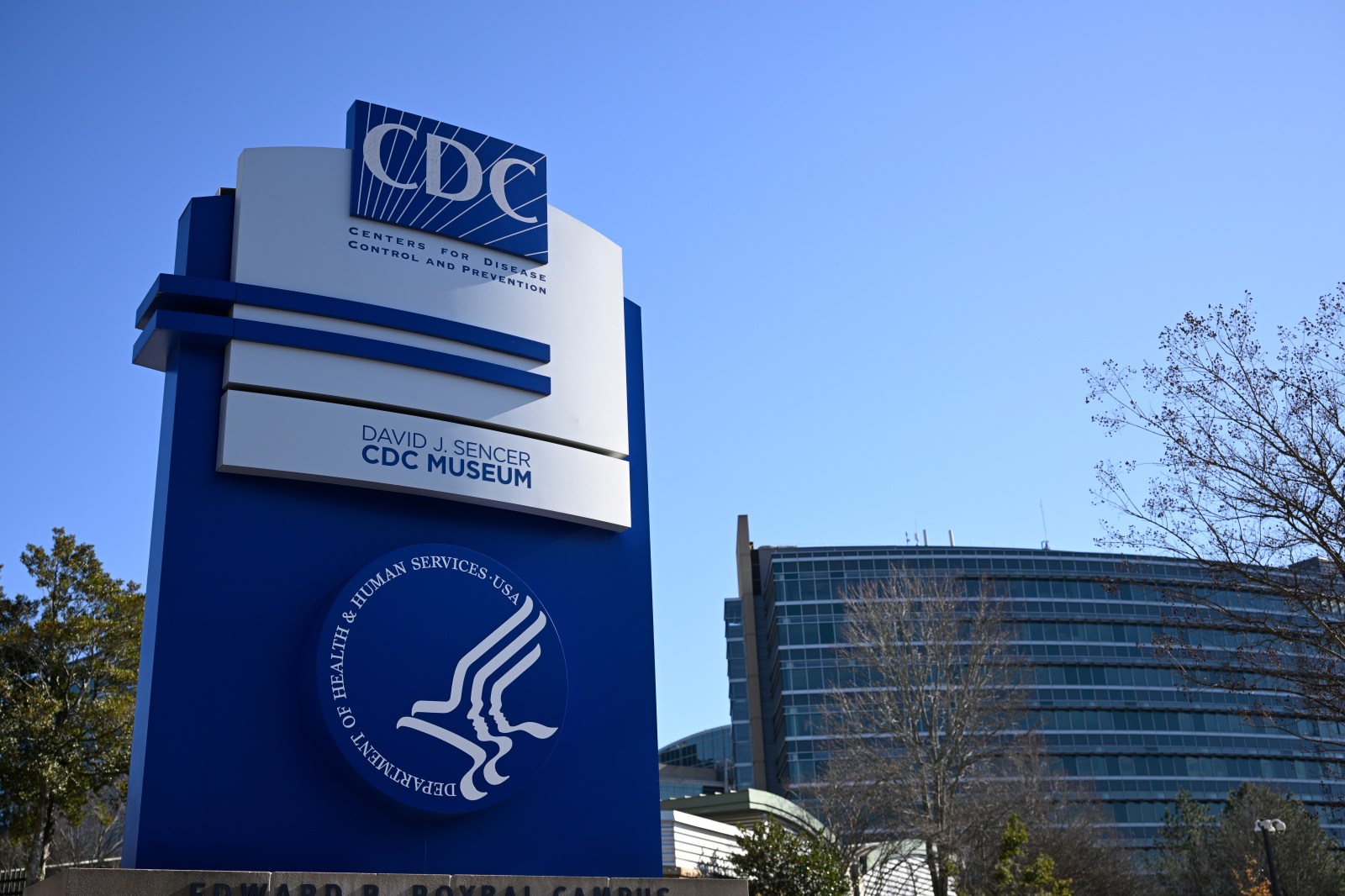
An alarming rise in cyclosporiasis infections has been noted across several U.S. states, with a microscopic parasite causing severe diarrhea and vomiting as part of a widespread illness surge. Federal and local health officials, notably the Centers for Disease Control and Prevention (CDC), are actively looking into the situation.
The CDC has confirmed at least 145 cases from May 1 to June 16, resulting in over 20 hospitalizations. However, data from state reports indicate that the actual number of infections is much higher. Currently, 18 states have reported cases.
Michigan: A Major Hotspot
Michigan appears to be heavily affected by the outbreak. The Michigan Department of Health and Human Services (MDHHS) reported managing a significant outbreak—more than 300 cases are identified as of Thursday. Typically, Michigan reports only around 50 cases yearly.
Southeast and Southern Michigan, notably Monroe County, have experienced high infection rates. Clusters have also been seen in counties like Lenawee, Washtenaw, Wayne, Livingston, Shiawassee, and Jackson, along with the city of Detroit.
Dr. Natasha Bagdasarian, Michigan’s chief medical executive, shared that further cases are anticipated due to the unusually high numbers reported in a short timeframe.
Cases in New York and Other States
New York health officials have noted 107 cases since early May. In addition to Michigan and New York, other states such as Illinois and Texas have recorded high concentrations of the illness. States including Alaska, Colorado, Connecticut, Florida, Georgia, Louisiana, Massachusetts, New Jersey, North Carolina, Ohio, Pennsylvania, Tennessee, Virginia, and Wisconsin have also reported cases.
None of the affected individuals reported traveling in the fortnight preceding their illness.
About Cyclosporiasis
Cyclosporiasis, an intestinal illness, is caused by the parasite Cyclospora cayetanensis. According to the CDC, infection occurs through consuming contaminated food or water.
Symptoms include nausea, abdominal cramps, fatigue, and watery diarrhea. In severe cases, diarrhea can be explosive. Healthy individuals tend to recuperate without medical aid, but at-risk groups, such as seniors, might face severe symptoms. The disease does not spread directly from person to person.
Treatment involves antibiotics like trimethoprim-sulfamethoxazole, known commercially as Bactrim, Septra, or Cotrim. Health officials recommend rest and hydration to counter diarrhea-related dehydration.
Investigating the Outbreak
Currently, federal health authorities have found no link tying all reported cases to a single source. Multiple regional clusters are suspected. Past outbreaks often traced to imported produce like raspberries, basil, snow peas, mesclun lettuce, and cilantro.
The CDC collaborates with the FDA and local agencies, such as the Michigan Department of Agriculture and Rural Development (MDARD), to pinpoint the infection’s origin.
Jennifer Bonsky, MDARD’s Human Food Division Director, stated their commitment to food safety and collaboration with health departments to identify the outbreak source. She emphasizes proper food preparation practices—washing hands before and after meal prep and cleaning produce before consumption.
For further details, Newsweek editors Matthew Robinson and Anthony Murray may be contacted.