
Match Overview and Key Moments
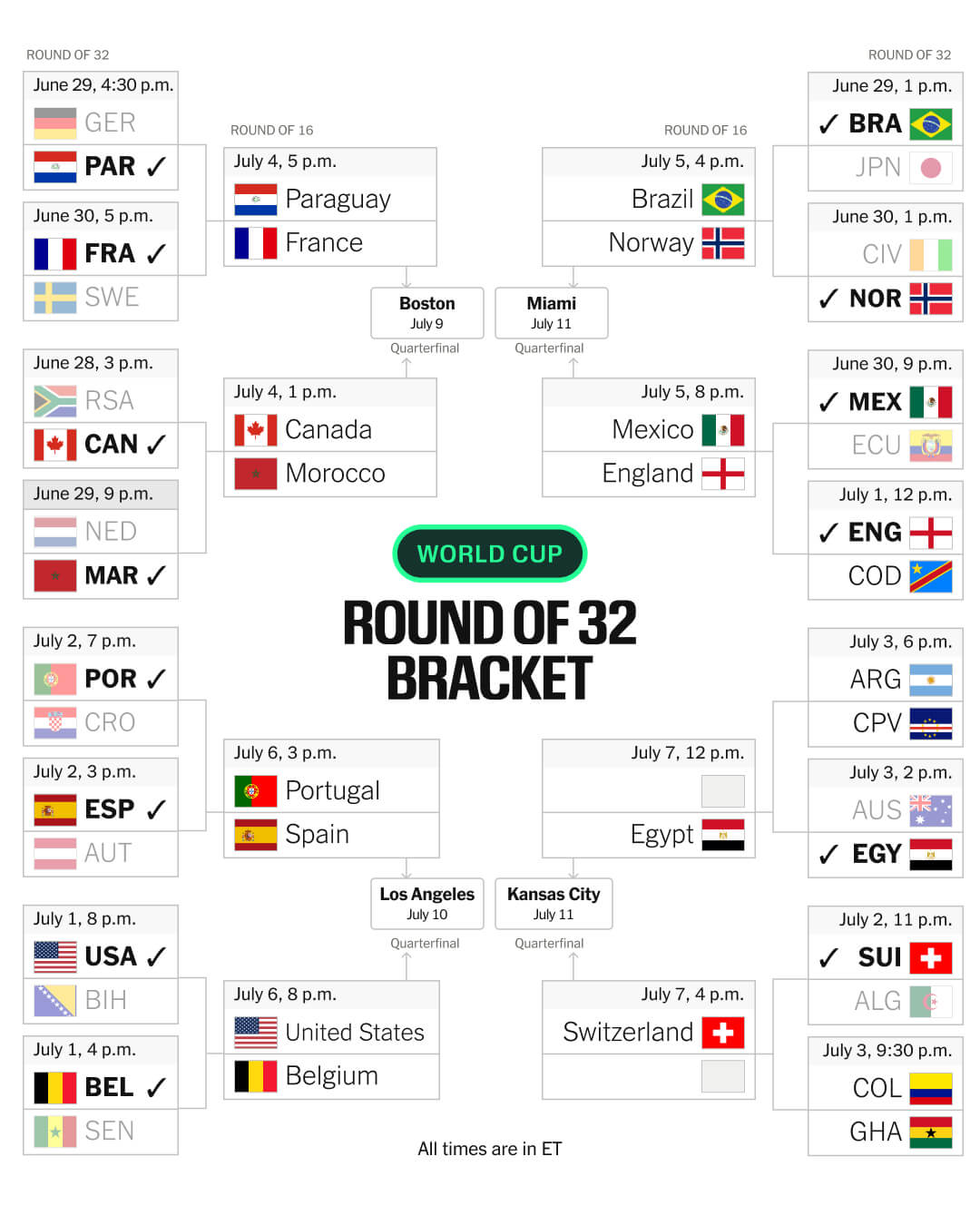
Egypt triumphed over Australia in a tense penalty shootout at the AT&T Stadium in Arlington, Texas. This victory secures Egypt’s place in the round of 16, where they will face the winner of the Argentina vs. Cape Verde match. Australia’s Cristian Volpato came close early on with a shot hitting the bar, but Egypt soon took control. Emam Ashour opened the scoring with a header from a Karim Hafez cross in the 13th minute.
Despite losing player Jordan Bos to a knee injury before halftime, Australia managed to equalize in the second half. Aiden O’Neill’s free kick was accidentally directed into the net by Egypt’s Mohamed Hany, marking Hany’s second own goal of the tournament. Egypt nearly clinched victory during stoppage time, but Australia’s goalkeeper Patrick Beach made a spectacular save from Mohamed Salah’s cross. In a surprising tactical move, Australia’s coach Tony Popovic replaced goalkeeper Beach with Mathew Ryan for the penalty shootout.
Penalty Shootout and Tactical Decisions
The decision to substitute Beach with Ryan did not yield the desired result for Australia. Harry Souttar missed the first penalty attempt, shooting over the bar, while 18-year-old Lucas Herrington hit the bar with Australia’s fourth attempt. In contrast, Egypt scored all their penalties with Salah making a Panenka and Hossam Abdelmaguid converting the winner. This move by Popovic reminded fans of a similar situation during the 2014 World Cup, where the Netherlands successfully used a strategic goalkeeper swap.
Salah’s Physical Condition and Performance
Ahead of the match, Egypt’s coach Hossam Hassan indicated a cautious approach to Mohamed Salah’s participation. Recently struggling with a hamstring strain, Salah’s fitness was questionable. Although there were moments when Salah appeared off-pace, his cross late in the game almost secured a win for Egypt. Salah’s limited playtime against Iran in the previous match suggests ongoing recovery challenges.
Beach’s Notable Save
Near the end of regular time, Patrick Beach delivered a remarkable save that prevented Egypt from taking the lead. Despite Australia’s strong aerial defence, Salah’s cross nearly resulted in a goal from Ramy Rabia. But Beach’s reach allowed him to tip the ball to safety, an action that might rank as the save of the tournament.
Hany’s Head Injury and Playing Decisions
Mohamed Hany’s participation after a head clash with Australia’s Connor Metcalfe raised concerns. World Cup regulations necessitate independent medical assessment for head injuries, yet Hany returned to the field quickly. Subsequent to this incident, his header contributed to Australia’s equalizing goal. The situation mirrors previous contested decisions over player health management during matches.
Emam Ashour’s Potential as a European Prospect
Emam Ashour, now 28, has played a key role for Egypt by scoring pivotal goals in this tournament. Previously part of Denmark’s Midtjylland, Ashour currently plays for Al Ahly in Egypt. His adaptable performances across various positions demonstrate his capability to play at a higher level, potentially attracting attention from European clubs despite his age. Ashour’s case reflects broader trends among talented Egyptian players whose domestic conditions often influence international transfers.
Australia’s Physical Advantage
Australia’s team features notably tall players, including captain Harry Souttar at 6ft 6in, offering them distinct physical advantages in matches. Australia’s defenders played a crucial role in countering Egypt’s attacking strategies, effectively managing set-piece plays and aerial threats. This physical dominance became a tactical focal point, especially after Bos’s injury. While their approach lacked finesse, it effectively challenged Egypt throughout the game.