
The United Nations has adjusted its financial management strategy by removing refunds to member states, regardless of their contribution status to the organization’s budget. Traditionally, for over seventy years, the UN has returned unspent funds to its members, aiming to prevent financial expansion at its New York headquarters. However, this practice faced challenges as refunds were provided even to nations that were delayed or had not contributed financially.
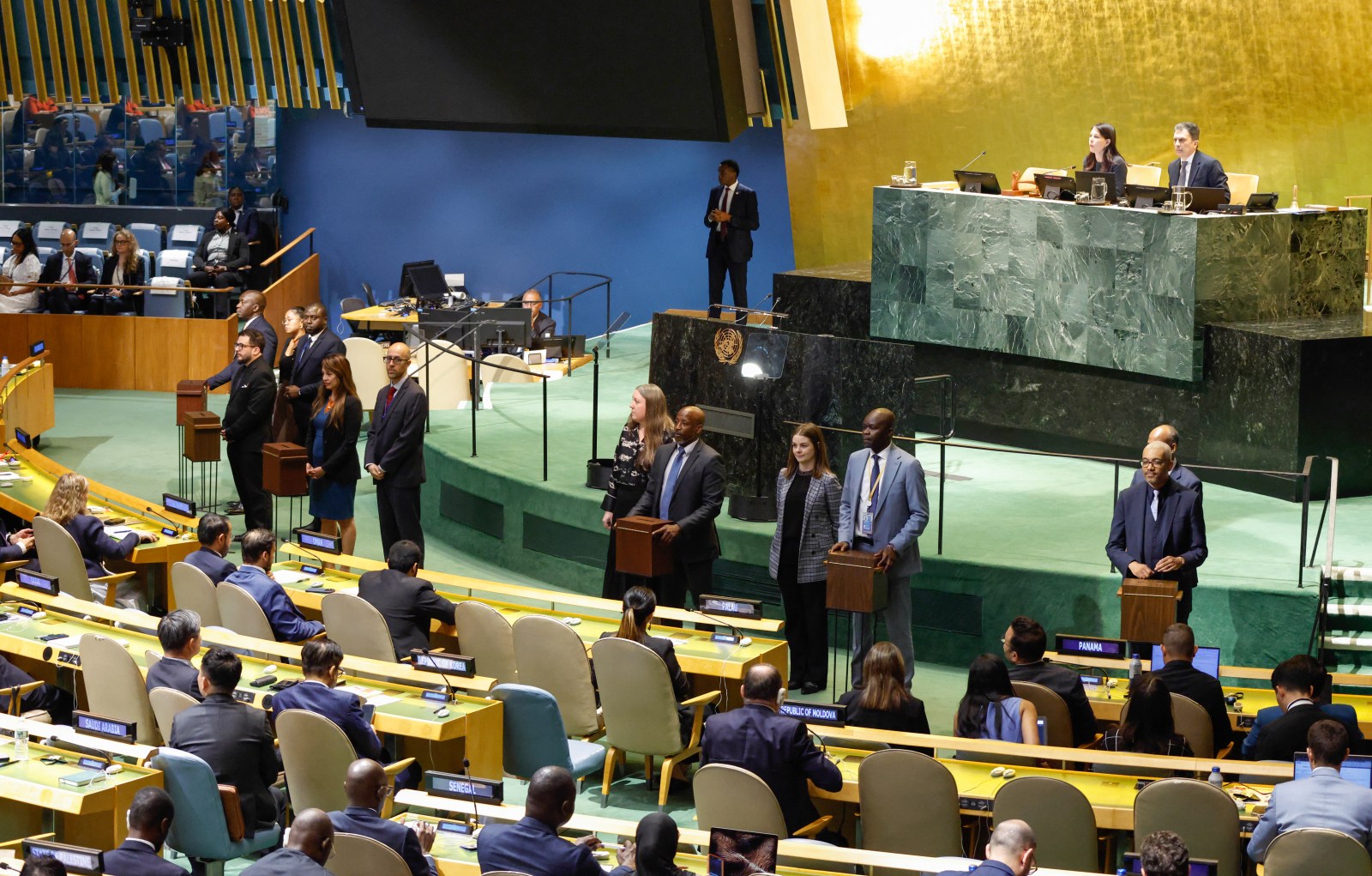
The financial challenges of the UN have been compounded by key contributors like the United States, which is responsible for 22% of the UN’s budget, falling behind on payments. China also owed approximately $400 million, as reported by the Wall Street Journal. Secretary-General António Guterres warned of a potential financial crisis, labeling the situation a “race to bankruptcy.” In response, the UN General Assembly decisively altered the budgeting rule on Tuesday. Annalena Baerbock, the General Assembly President, criticized the previous “Kafkaesque financial rule” that necessitated refunds for nonexistent payments, labeling it a factor in the “existential liquidity crisis.” Following the resolution’s approval, Baerbock expressed that the assembly had averted the looming financial collapse of the UN.
Financial Challenges Facing the UN
U.N. member nations are required to pay annual dues, calculated based on their gross domestic product. President Donald Trump has voiced dissatisfaction with the UN, leading to the U.S. withdrawing from several UN-associated bodies, such as the Population Fund, and proposing reductions in payments for peacekeeping efforts. The U.S. had already exited the UN cultural agency UNESCO, the World Health Organization, and the UN Human Rights Council. The New York Times reports the U.S. accounts for about 95% of the outstanding $2.2 billion owed, according to a senior UN official.
The UN concluded 2025 with $1.6 billion in unpaid assessments, the highest on record, as per the latest financial status report released in May. Outstanding debts across regular, peacekeeping, and two international tribunals exceeded $6.5 billion. In January, UN cautioned that a failure to receive payments, particularly from the U.S., might force it to shut down its New York headquarters by July.
Last December, the UN General Assembly sanctioned a $3.45 billion budget encompassing peace, stability, sustainable development, and human rights. Guterres welcomed the rule change, emphasizing its importance for peacekeeping operations. He noted, “This decision will allow us to manage resources, especially for regular and peacekeeping budgets, in a more predictable and responsible way.”