
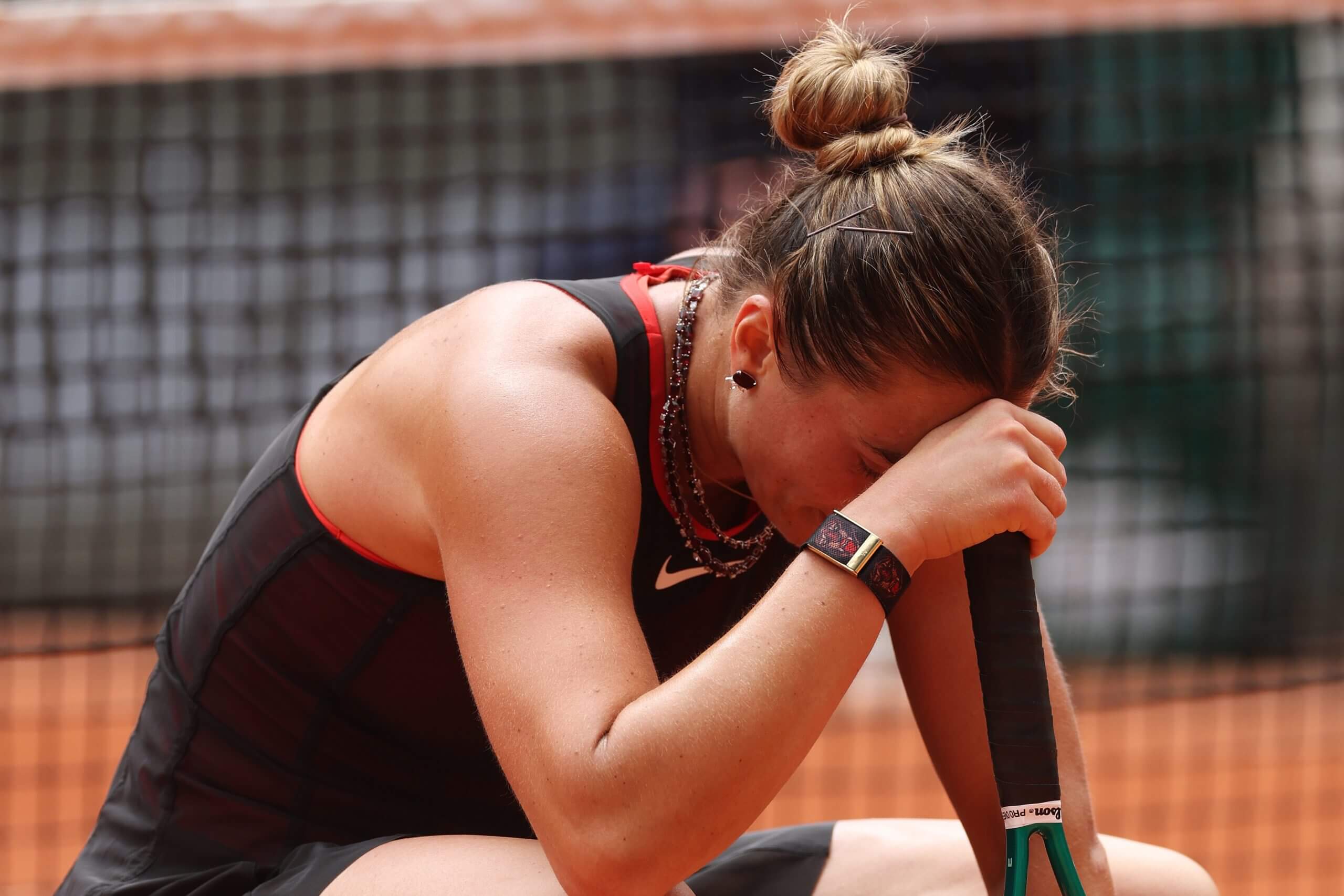
Aryna Sabalenka is no stranger to handling setbacks on tennis’s biggest stage. After a significant defeat at the French Open, the world No. 1 has learned to manage her emotions and tackle her losses head-on. Sabalenka’s recent loss to Diana Shnaider was another episode in a familiar routine. After cooling down and fulfilling her media obligations, she turns to her inner circle for a psychological assessment.
Sabalenka’s Resilience and the Road to Recovery
Following a heartbreaking loss where she nearly secured a quarterfinal win only to lose the last 10 games, Sabalenka made her feelings clear. “Right now I just want to quit tennis,” she declared post-match. Yet, she and her team knew there was no time for that, as Wimbledon approached in just over three weeks. Her performance coach Jason Stacy emphasizes that these cycles of breakdown and recovery have happened less frequently compared to earlier in her career.
A key part of her recovery involves analyzing what went wrong during the match. Her close-knit team, including coach Anton Dubrov, physiotherapist Helen Murawska, and her fiancé Georgios Frangulis, come together to dissect the match. They explore questions about her mindset and performance, searching for missed cues or alternative strategies.
Strategic Breaks and Mental Re-evaluations
Sabalenka and her team understand the importance of taking a break after intense Grand Slam pressure. During the off-time, team members separate to recharge. Sabalenka and Frangulis took a trip to Vienna, while Stacy returned to the Pacific Northwest to visit family. These breaks allow the team to disconnect and return with fresh perspectives.
The strategies include mental exercises like breathing techniques, meditation, and visualization. Stacy insists on the significance of aligning these practices with Sabalenka’s unique persona to ensure they resonate with her.
“You have to find a way to apply the things that you believe will help them, but in a way that makes sense to them,” Stacy explains, emphasizing the importance of individualized mental strategies.
Fight and Focus at Wimbledon
Sabalenka’s resilience showed during her first Wimbledon match after the Paris defeat, where she had a confident victory over Teodora Kostović. She approaches each competition understanding that opponents will give their best against her. Despite losses in finals against formidable opponents like Madison Keys and others, she recognizes these experiences as part of her growth.
Her team remains steady, with longtime coach Dubrov and newcomer Max Mirnyi contributing useful insights. Mirnyi’s reminder that no match goes perfectly helps Sabalenka adjust and refine her game with every setback.
Despite tennis’s physical and mental demands, Sabalenka’s team believes she has the potential to triumph at Wimbledon. Her athletic peak, combined with her team’s support and strategic insights, keeps her focused on reaching her ultimate goal—a Grand Slam victory on the grass courts of Wimbledon.