
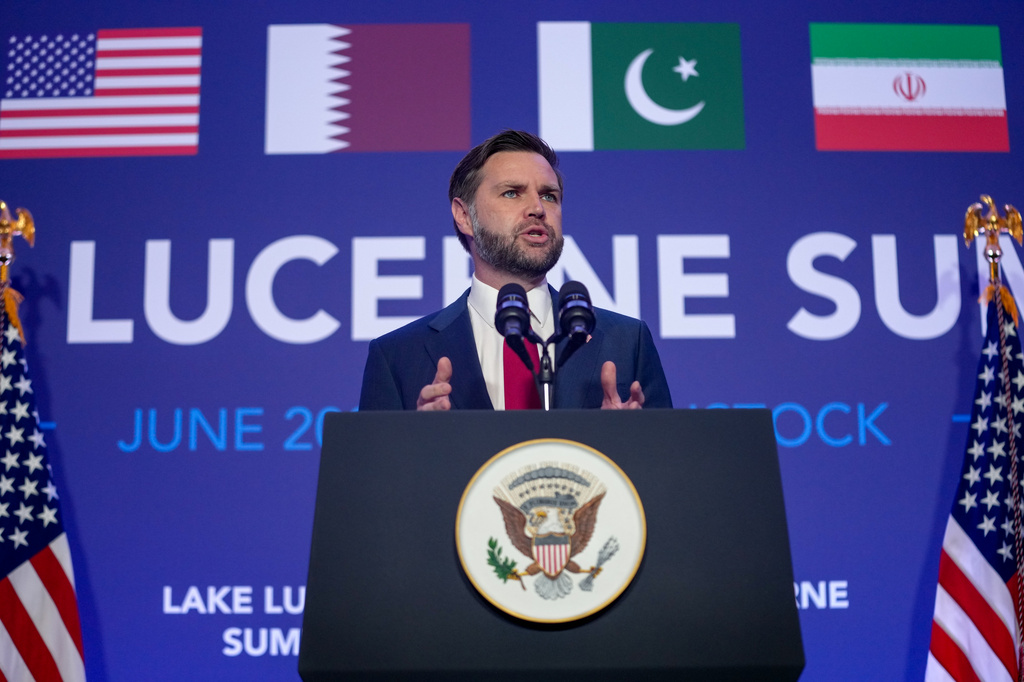
After recent high-level talks between the U.S. and Iran in Switzerland, both countries have signed the Islamabad memorandum. A major focus is the release of $24 billion in frozen Iranian reserves, contingent on a finalized agreement. President Trump has been clear: these assets move only with a completed deal.
The ongoing debate centers on when and if to release this money. A critical question remains: who does this money truly belong to, and how can it best serve them? An estimated $100 billion of Iranian assets are immobilized abroad. These funds, generated from oil, trade, and labor, are not just the wealth of the ruling elite. International law sees the Islamic Republic as a representative of the nation. However, a regime that thrives on domestic terror and instability acts as a usurper, rather than a legitimate steward of these assets.
Rewarding aggression by returning these funds misallocates resources. It validates the regime’s narrative that the Iranian people share the same interests as their oppressors. Washington has pushed back against this notion. Following the fall of the Afghan Republic in 2021, the U.S. froze $7 billion of central bank reserves, creating the Fund for the Afghan People, which insulated $3.5 billion from the Taliban. U.S. policy prevented the sanctioned regime from accessing these funds.
A similar mechanism has been used for Venezuela. Over $3 billion was protected from the Maduro regime. This operational template has groundwork in the International Emergency Economic Powers Act. The principle is settled: frozen wealth from illegitimate governments can be preserved for the populations they misrule.
If the Iranian assets belong to the people, policymakers need to determine what best serves them. Digital connectivity is crucial. The regime depends on information isolation, often cutting internet access to suppress protests. Tehran criminalizes technologies like Starlink, threatening severe penalties, even capital punishment.
Despite these obstacles, Starlink’s usage grows but remains costly and hard to access. Eliminating hardware concerns could facilitate direct-to-cell service, linking phones to satellites without the need for terminals. The Pentagon considered this but faced high costs: $500 million to launch and $100 million monthly to operate.
A Solution in Funding
This funding gap could be bridged with a dedicated trust, similar to those for Afghanistan and Venezuela. The Iranian People’s Connectivity or Internet Freedom Fund could be created, drawing from frozen Iranian assets. Independent trustees and strict safeguards would ensure regime inaccessibility to funds.
This fund would support lawful procurement under U.S. regulatory authorizations, targeting direct-to-cell capacity and secure hardware distribution. The U.S. administration has a strategic decision to make: returning funds would bolster oppression and terrorism. Alternatively, these reserves can empower the Iranian people, who remain the rightful owners of these assets.
The Path Forward
Supporting Iranian connectivity could destabilize the regime at a critical point. A free Iran is not achieved through negotiation but by empowering its people. Washington’s unique position allows it to channel resources towards a connected Iran. This, in turn, strengthens American interests and honors those who rightfully own the national wealth.
Energy expert Aidin Panahi, Ph.D., and Saeed Ghasseminejad, Ph.D., a senior fellow at the National Union for Democracy in Iran, have expressed the importance of strategic asset allocation in shaping Iran’s future.