
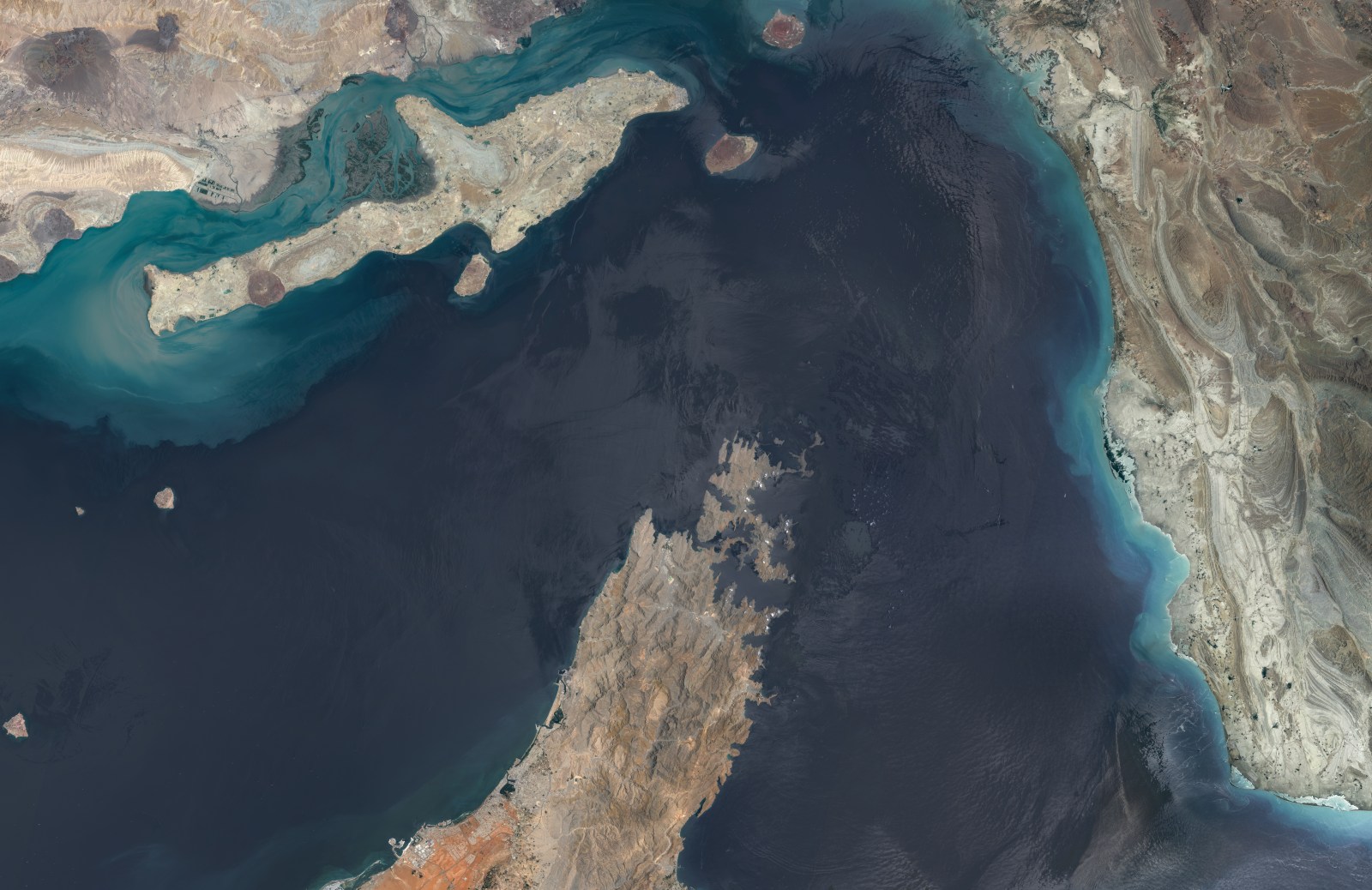
President Donald Trump has stated that the Strait of Hormuz remains open, despite conflicting claims concerning access to this crucial maritime passage. The reopening of the strait was a pivotal aspect of the agreement aimed at ending the conflict with Iran.
In a post on Truth Social, Trump emphasized this status, following the tracking of numerous vessels passing through the strait, which had previously been closed by Iran. This closure led to the U.S. responding by blocking Iranian ports. Although maritime traffic has resumed, it is yet to reach pre-war levels.
Deal to End Iran Conflict
The framework deal announced last week to bring an end to the Iran conflict included reopening the Strait of Hormuz, a passage through which about one-fifth of the global hydrocarbon supply travels. Despite the agreement, shipping companies remain wary about navigating the passage due to inconsistent communication and concerns over mines.
On Tuesday, Trump revealed that Iran had agreed to long-term, high-level inspections of its nuclear activities. This concession was one of the driving factors for initiating the conflict on February 28. Trump remarked, “Based on this and other major concessions being made by Iran, I have agreed to allow the Hormuz Strait to remain open, with no further Naval Blockade.” He also added that U.S. naval vessels remain ready should the blockade need reinstatement, though this is deemed unlikely at present.
U.S. and Iran Agreements
On Sunday, delegations from the U.S. and Iran reached an understanding to establish a communication channel to prevent military incidents in the strait while commercial vessels traverse the area. Nonetheless, Iranian state media has portrayed this development as reinforcing Iran’s sovereignty over the strait, implying that ships will need to coordinate with Iran for safe passage.
Iran claimed closure of the strait due to alleged Israeli ceasefire violations in Lebanon on Saturday. Maritime data suggests that 25 vessels passed through the strait between Sunday and Monday, with more transiting on Tuesday.
Potential Toll and Future Plans
Iran has signaled intentions to impose charges on traffic through the strait to maintain its control, which would conflict with international maritime law. The current agreement with the U.S. stipulates that passage remains toll-free for the next 60 days, yet there is no definitive U.S. stance on the future.
The U.S. and Iran have agreed to a hotline to “prevent and resolve any misunderstandings” as vessels use the chokepoint, according to Iran’s chief negotiator Mohammad Bagher Ghalibaf. Concurrently, Iran and Oman have formed a committee to discuss the strait, following discussions between regional leaders.
Omani Foreign Minister Sayyid Badr Albusaidi expressed the joint commitment to uphold international law and ensure toll-free safe passage.
Contact Newsweek editors on this story: Frances Mao and Sam Wilson.