
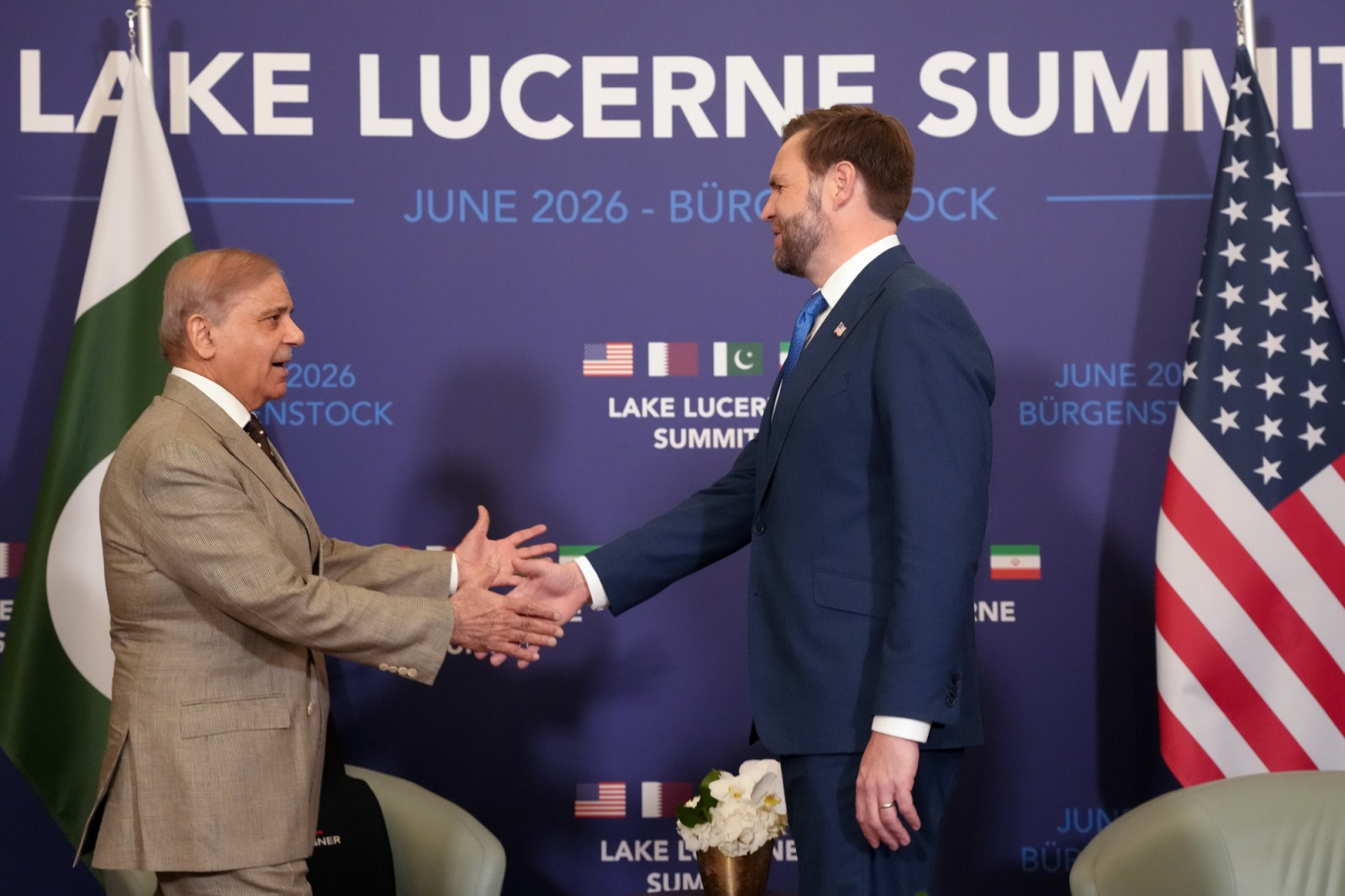
For years, Republicans criticized former President Barack Obama’s 2015 Iran nuclear agreement. They argued it traded sanctions relief for weak, temporary limits that Tehran could easily reverse. Now, with President Donald Trump negotiating his own deal with Iran, similar arguments are emerging. But this time, they target a Republican president’s proposal.
The details of Trump’s memorandum of understanding (MOU) are still being negotiated. These details are expected to be finalized in the next 60 days. As a result, the final structure and comparison with Obama’s Joint Comprehensive Plan of Action (JCPOA) remain unclear.
In a statement on Truth Social, Trump claimed the final agreement would include strong inspection measures. “Everybody is fully aware that Iran will agree to have Major Weapons Inspections in order to ensure ‘Nuclear Honesty’ long into the future,” he wrote.
Negotiations continue to progress. A senior U.S. diplomat mentioned “robust discussions” are underway. These cover nuclear issues, the Strait of Hormuz, and deconfliction mechanisms in southern Lebanon between Israel and Iran-backed militia Hezbollah. The current framework is considered a starting point for further talks, not a final settlement.
Political Reactions
Political opinions on pre-sanctions relief, inspections, uranium enrichment, and congressional involvement are clear. Republicans voiced worries that resemble their criticisms of Obama’s deal. They had argued the JCPOA provided too much relief too early, featured temporary limits, failed to dismantle Iran’s nuclear program, and lacked congressional approval.
White House spokeswoman Olivia Wales countered criticism. She stated, “President Trump and his negotiating team have brokered an excellent, performance-based MOU. This MOU advances the interests of the U.S. by ending fighting, opening the Strait of Hormuz to lower energy prices, and forcing Iran to abandon nuclear ambitions.”
Republican Concerns
Obama described the JCPOA as a comprehensive deal limiting Iran’s nuclear weapon pathways with stringent verification in 2015. Republicans quickly rejected this, pointing to:
- Premature sanctions relief
- Temporary nuclear limits
- Lack of congressional approval
These concerns now influence reactions to Trump’s framework. Senator Tom Cotton, a major critic of the JCPOA, warned that agreements without congressional approval could be reversed by future administrations. Although he withdrew from the deal post-election, Cotton expressed concern that Trump’s framework might reduce U.S. leverage over Iran.
Cruz and Graham’s Views
Senator Ted Cruz called the Obama deal a “catastrophic mistake” in 2015. He warned it could strengthen Iran and accelerate nuclear weapon progress. Regarding Trump’s framework, Cruz once again focused on financial benefits for Iran without stronger guarantees. “History teaches giving billions to theocratic lunatics is not prudent,” he told The Hill.
Senator Lindsey Graham described the JCPOA as a “terrible” deal empowering Iran. He now views Trump’s framework as worth attempting, albeit uncertain. During a CBS News interview, Graham suggested diplomatic avenues and questioned future steps if the deal failed.
Other Republican Voices
Senator Roger Wicker of Mississippi criticized Trump’s framework. He argued that it “negotiates away the victories of Operation Epic Fury.” Senator James Lankford of Oklahoma emphasized that lasting agreements should be ratified by Congress, offering more durability. He noted, “The JCPOA opened a pathway towards a nuclear weapon and just delayed it outside of the Obama presidency. That doesn’t help the American people long term.”
The checklist among GOP members remains:
- No premature sanctions relief
- Strong, verifiable inspections
- Limits on enrichment
- Agreement with congressional backing
Trump vs. Obama
Trump has criticized the JCPOA, referring to it as effectively giving Iran a nuclear weapon. He told NBC News, “It was a horrible deal given by Barack Obama.” On Truth Social, Trump wrote, “If I did not terminate that ‘Deal,’ Nuclear Weapons would have been used on Israel, and all over the Middle East.”
Obama countered that a new agreement may not differ significantly from the original. He said the U.S. might spend more to achieve similar results after exiting the JCPOA. “It is doubtful that any new deal will be significantly different or improved from the one we left,” Obama stated to ABC News.