
Ten years after the Brexit vote, British farms heavily rely on seasonal workers from countries like Kyrgyzstan and Tajikistan. Without these workers, many agricultural operations face potential failure.
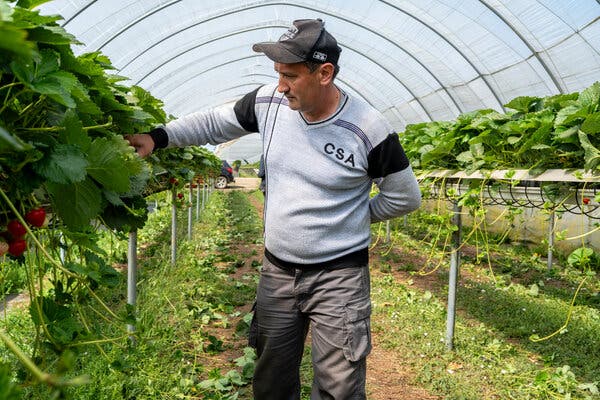
One example is Shukrat Djuraev, who works at Homefield Farm in Kent. Djuraev is from Uzbekistan and part of the essential workforce that British agriculture depends on each year. He finds the work steady and calm, helping manage tasks like pruning strawberry plants in large greenhouse tunnels.
Prior to Brexit, Eastern European workers filled many of these roles. However, after Britain left the European Union, these workers lost their rights to work in the UK. This led to a change in the labor market dynamics, pushing farmers to look further afield for labor solutions. As a result, a decade later, a significant portion of the workforce now comes from Central Asia. These workers enter the UK on six-month visas to address labor shortages.
Immigration and Political Influence
Immigration was a critical factor in the Brexit vote. Proponents claimed that leaving the EU would enable the UK to control its borders more effectively. Ten years later, immigration continues to be a contentious political issue, now challenging the Labour Party.
Nigel Farage, a prominent figure behind Brexit, and his party, Reform U.K., have risen as a significant political force. They lead in opinion polls and have made considerable progress in recent elections. Their influence has prompted concerns within the Labour Party, contributing to the recent resignation of Prime Minister Keir Starmer.