
In Pakistan, a significant barrier faces women and girls due to the cost of menstrual products. UNICEF reports that only 12 percent of females use safe, commercially produced pads or tampons. Taxes contribute heavily to the expense, accounting for approximately 40 percent of the product cost.
Pakistan plans to abolish sales tax on menstrual pads and tampons starting in July, aiming to increase affordability and accessibility. Finance Minister Muhammad Aurangzeb announced the removal of an 18 percent sales tax, emphasizing the importance of these products for women’s health, dignity, and social participation.
Rights activists see the government’s plan as a crucial step for menstrual health rights. The decision follows a significant discussion triggered by an activist challenging the existing taxes on sanitary products in court.
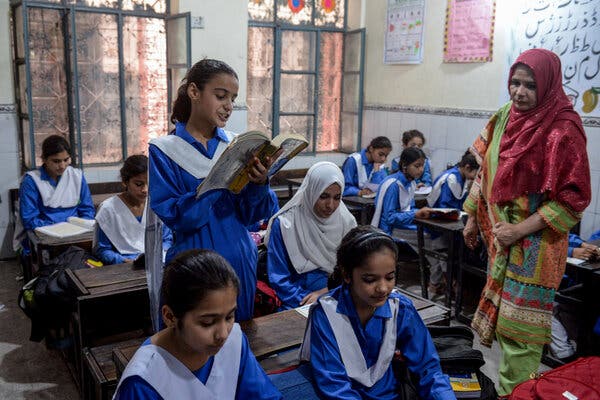
In a country as populous as Pakistan, only around 12 percent of menstruating females use commercially made sanitary pads, a stark contrast to India’s 36 percent, as reported by UNICEF. Activists call for further measures to help women and girls access menstrual products and to tackle the stigma surrounding menstruation. In many rural and conservative areas, women rely on unhygienic rags and cloths as alternatives. UNICEF estimates that one in five Pakistani girls misses school due to their menstrual cycle.
“There is a period poverty crisis in Pakistan,” said Mahnoor Omer, 25, an activist who took the issue to high court last year, advocating for sanitary products to be deemed essential. Recognized by Time magazine among its “women of the year,” Omer’s efforts have spotlighted this vital issue.