
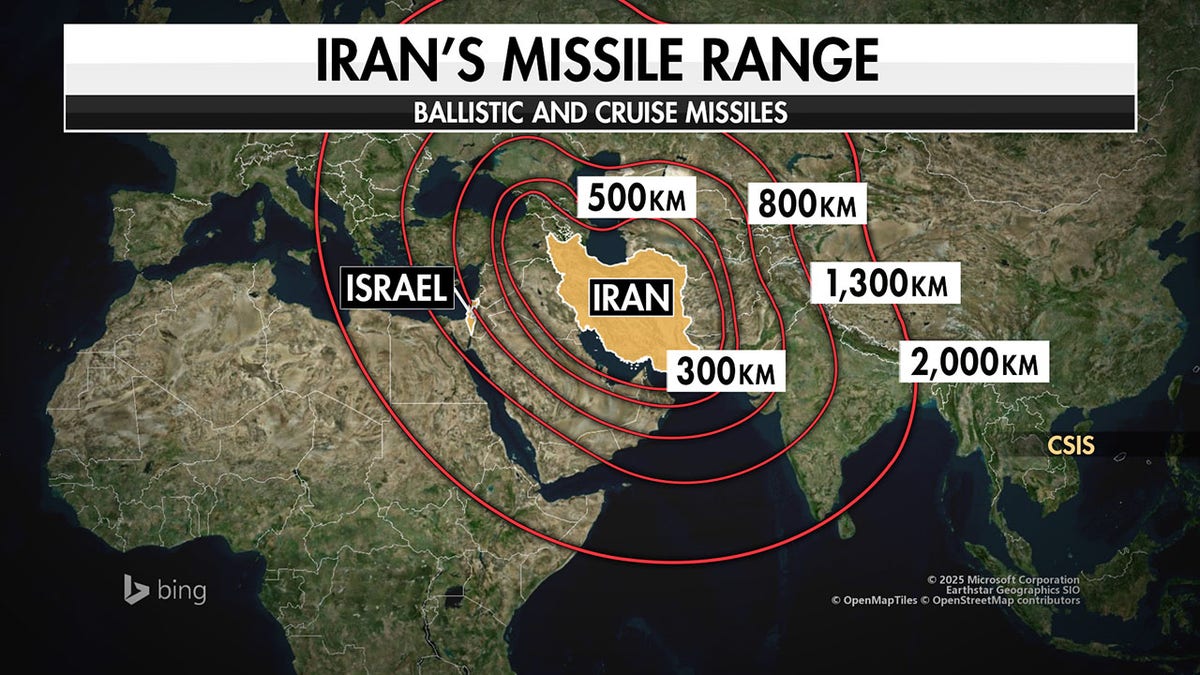
For several months, senior officials within the Trump administration focused on Iran’s ballistic missile inventory as a major factor contributing to Tehran’s nuclear aspirations. This reasoning was pivotal to initiating Operation Epic Fury against Iran. However, at the G7 international forum, President Donald Trump shifted the narrative. He suggested that Iran’s possession of missiles might not be problematic.
Trump stated, “If other countries have them, it’s a little bit unfair for them not to have some. If Saudi Arabia and Qatar have some, in relative proportion, it’s okay.” He questioned the logic of allowing Saudi Arabia to have missiles while denying the same capability to Iran. He noted that missiles do harm on a smaller scale as compared to broader global destruction.
The President highlighted ongoing discussions among Gulf nations addressing issues beyond nuclear capabilities, including ballistic missiles and terrorist proxies.
“We don’t want that to happen,” Trump added.
A visual representation shows the range of Iran’s ballistic missiles, emphasizing their reach.
While addressing questions about Iran retaining missile capabilities, Trump’s comments contrasted sharply with earlier administration views. Previously, officials highlighted Iran’s missiles as a primary threat to regional peace and a protective shield for its nuclear program.
Secretary of State Marco Rubio declared, “Iran can never own a nuclear weapon,” stressing that the U.S. would prevent Iran from using its missile inventory as a cover. A press conference on March 3 solidified this viewpoint.
Operation Epic Fury aimed to diminish Iran’s missile capabilities. On March 2, Trump explained the objectives, including the destruction of Iran’s missile capacity. War Secretary Pete Hegseth and White House Press Secretary Karoline Leavitt reiterated these objectives in their statements.
On September 25, 2024, during Holy Defense Week in Iran, ballistic missiles and other heavy weaponry were showcased, reflecting ongoing tensions.
At the heart of discussions was the administration’s focus on eliminating Iran’s ability to hide behind its conventional military power, which could shield a nuclear weapons program.
President Trump reasserted the mission’s core objectives at multiple points, emphasizing the destruction of Iran’s air and naval capacities, and critically, the facilities capable of producing missiles and drones.
Trump’s G7 remarks also raised new perspectives on Iran’s nuclear program. This came amid negotiations on a memorandum of understanding between the United States and Iran. A key issue involved was Iran’s enrichment program, particularly its substantial stockpile of 60% enriched uranium.
A new framework proposed negotiations within a 60-day window on Iran’s stockpile management, where down-blending under international oversight was discussed.
The administration acknowledged Iran’s willingness to dilute their stocks as an important step forward, although final agreement details remained unsealed.
Despite the administration’s earlier hardline approach on enrichment, Trump suggested a common-sense perspective at the G7, contemplating Iran’s needs for nuclear power against the backdrop of neighboring states with similar capabilities.
The administration historically opposed any level of enrichment by Iran, marking it as a clear red line. However, Trump’s conciliatory tone during the G7 conference provided a nuanced layer to previous policies.