
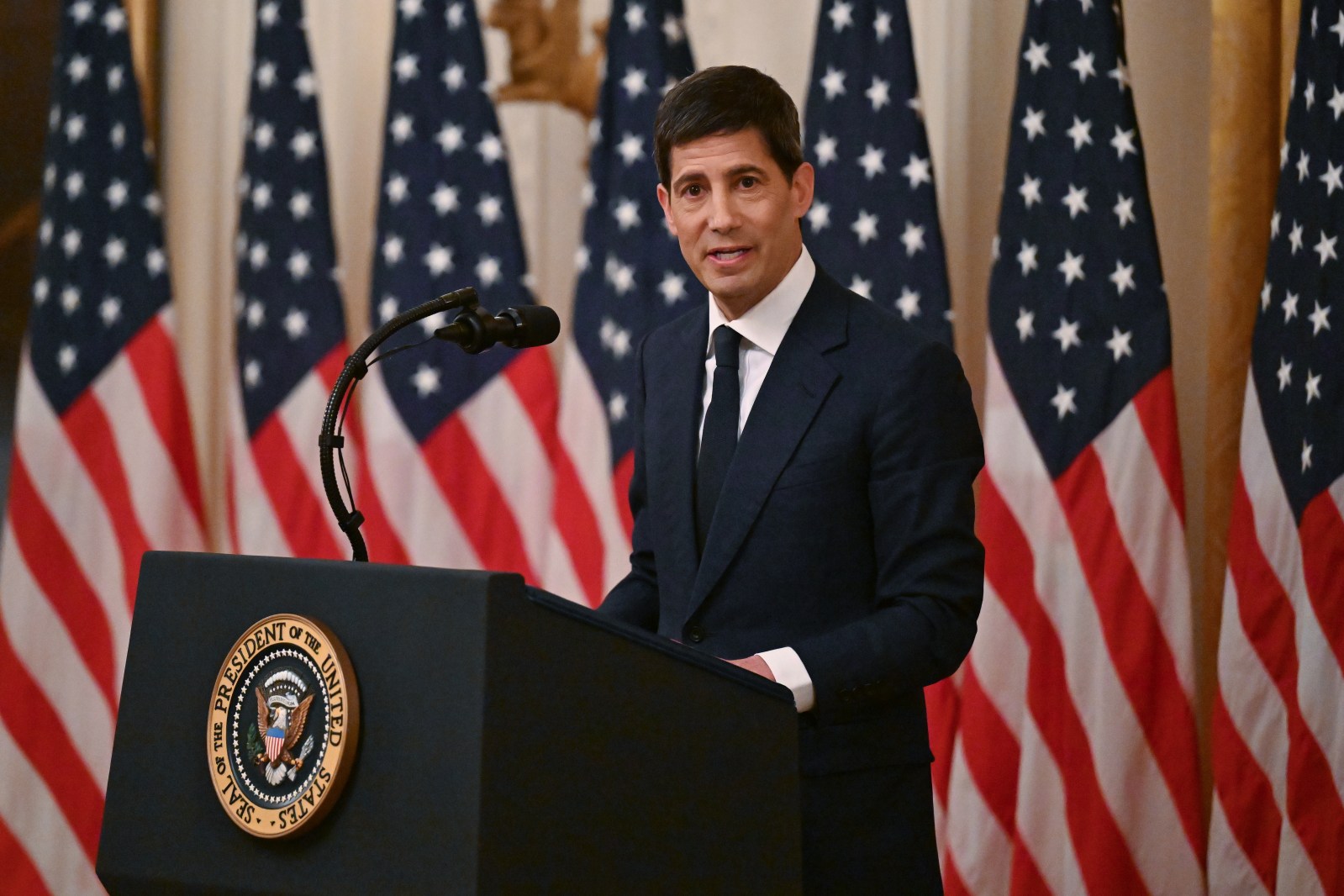
The Federal Reserve made a significant decision on Wednesday by keeping interest rates unchanged, marking the first major policy move under new chair Kevin Warsh. This decision comes at a crucial time for policymakers as they balance ongoing inflation pressures with uncertainty in today’s economy.
The Fed’s Decision
Warsh’s choice is under intense scrutiny as American public concern about living costs and economic direction grows. Half of the Fed’s policymakers indicated potential support for a rate hike later this year. The latest quarterly projections reveal that nine of 19 officials now favor higher rates, showing a distinct shift from the previous forecast. Six of them advocate for two quarter-point increases due to persistent inflation concerns.
Rate Impact
The Fed’s benchmark interest rate plays a crucial role in influencing borrowing costs across the economy. Changes in rates affect mortgages, credit cards, savings accounts, and auto loans. Higher rates can help cool inflation but make borrowing more expensive, while lower rates encourage spending and growth but risk increasing prices.
Warsh’s First Press Conference
At his inaugural press conference as Fed chair, Warsh announced the formation of five task forces aimed at reassessing key monetary policy areas. He noted the removal of forward guidance from the Fed statement, emphasizing that future policy statements would focus solely on facts. Warsh reaffirmed the Fed’s commitment to its inflation goal, asserting that FOMC members are united in delivering on this objective.
The New Fed Task Forces
- Fed Communications: Reviews how the Fed interacts with the public and markets, including Summary of Economic Projections, press conferences, and meeting transcripts.
- The Fed’s Balance Sheet: Assesses benefits, risks, and transmission mechanisms of the Fed’s asset portfolio, and explores alternative monetary policy frameworks.
- Use and Reliance on Existing Data Sources: Evaluates new data sources and considers methodological changes to improve economic data collection.
- Productivity and Jobs in an Era of Transformation: Surveys macroeconomic shifts, focusing on technologies like AI and their impact on employment and price stability.
- The Fed’s Inflation Frameworks: Studies core drivers of inflation and weighs ideas to ensure price stability.
Interest Rates Close-Up
The Federal Open Market Committee (FOMC) voted 12-0 to maintain the benchmark federal funds rate, which is currently targeted around 3.50 to 3.75 percent. Despite elevated uncertainty partly due to the Middle East conflict, economic growth is steady. Inflation relative to the Committee’s 2 percent goal remains high due to supply shocks.
Warsh made noticeable changes to the Fed’s statement, reducing earlier iterations to 130 words, omitting the usual language indicating immediate rate changes. He announced new task forces, without detailing forward guidance on future rate decisions.
Effects on Americans
The Fed’s decision impacts household finances. With rates unchanged, borrowing costs will likely remain high, delaying potential relief. According to Michael Ryan, founder of MichaelRyanMoney.com, the unchanged rates continue the pressure on floating-rate debt, like credit cards and mortgages.
Melissa Cohn, regional vice president of William Raveis Mortgage, noted the difficulty of rate cuts given current inflationary conditions, suggesting Americans may need to wait for Warsh’s sentiment to influence future decisions.
Warsh’s Views on Inflation
Warsh has a complex stance on inflation and interest rates. Known as an inflation hawk, he expressed concerns over rising prices during the Great Financial Crisis but criticized the Fed’s slowness in rate cuts. He recently stressed the importance of the Fed’s mandate to ensure price stability and support maximum employment.
Warsh’s mixed views keep markets attentive, watching for signals on whether he will favor tightening policies to combat inflation or ease them to foster economic growth.
Consumer Sentiment
Despite positive economic indicators, public sentiment is low. A Federal Reserve Bank of New York poll shows 44 percent of Americans feel financially worse off than a year ago, with inflation a top concern.
Economic experts note the complex, varied impact of Fed rate changes, affecting different financial activities like credit cards and savings accounts in diverse ways.
Future Rate Decisions
The Fed sets rates eight times a year. After their June 2026 meeting, the next meeting is scheduled for July 28-29. These decisions are critical for shaping the economic outlook, influenced by inflation and growth data. Warsh’s leadership will guide future signaling—whether they maintain steady policies or pivot.
The potential for interest rate increases poses concerns for Americans, impacting borrowing costs for credit cards, mortgages, and loans. Financial experts indicate this would intensify challenges faced by consumers relying on debt amidst rising costs.