
Tehran’s Agreement on Uranium Stockpile
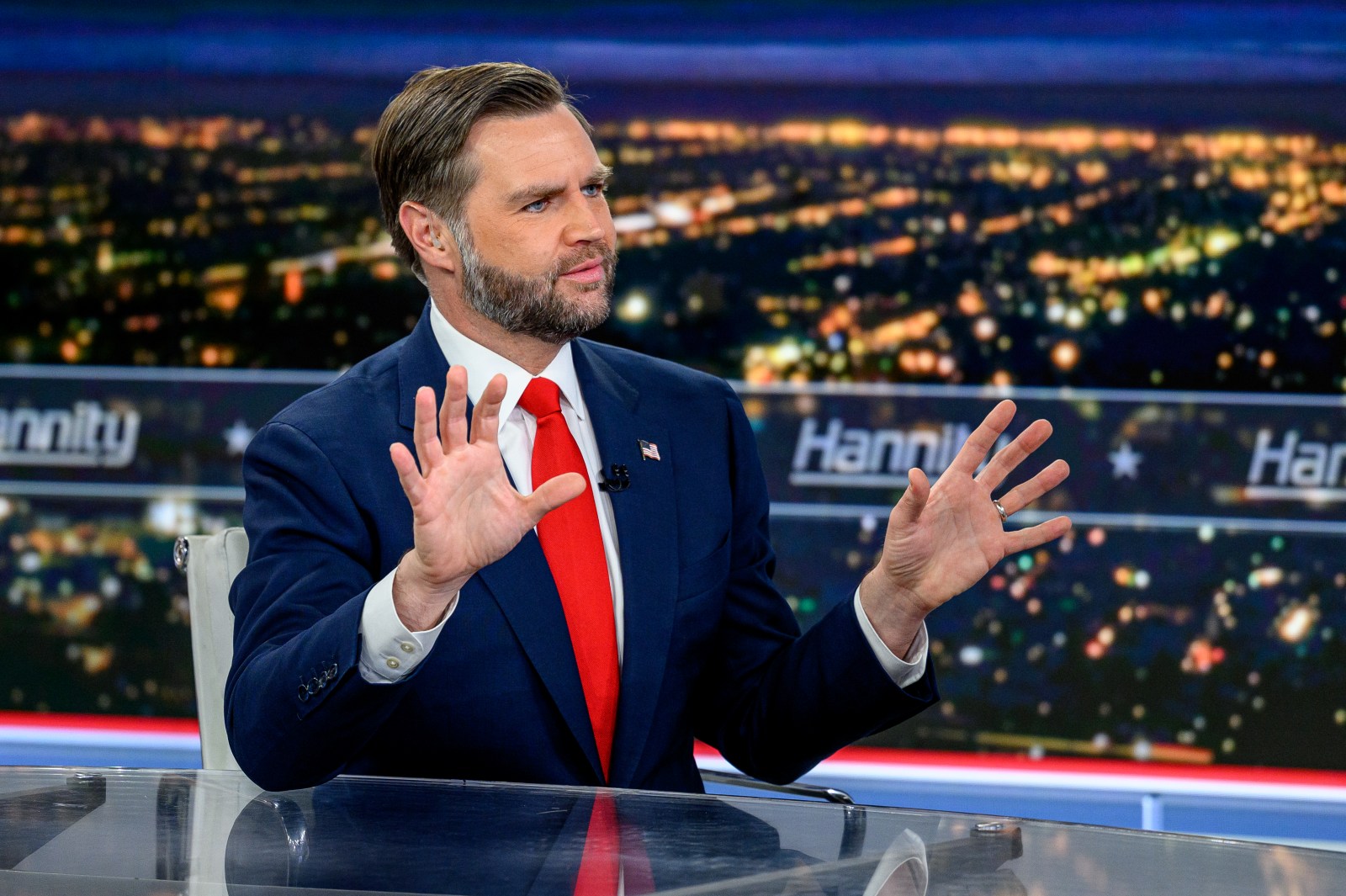
Vice President JD Vance stated that Tehran has agreed to eliminate its uranium stockpile as part of a potential deal to end the Iran War. However, challenges persist in ensuring the material, capable of making nuclear weapons, remains neutralized. President Trump highlighted a memorandum of understanding (MOU) aiming to reopen the Strait of Hormuz and initiate negotiations on Iran’s nuclear program. Differing interpretations of the agreement have emerged from U.S. and Iranian sources. JD Vance confirmed Tehran’s commitment to stop uranium enrichment, which aligns with U.S. and Israeli goals.
International Perspectives and Concerns
The Arms Control Association (ACA) emphasized the importance of diplomatic opportunities to neutralize Iran’s uranium. Yet, Israeli politicians and media have criticized the MOU’s lack of details and perceived concessions. Brig. Gen. Yossi Kuperwasser expressed concerns over Israel’s exclusion from the deal and questioned its diplomatic and military implications.
Challenges with Highly Enriched Uranium
Iran’s stockpile of highly enriched uranium (HEU) remains an issue following previous U.S. and Israeli strikes. The International Atomic Energy Agency (IAEA) noted Iran has not disclosed the status of bombed nuclear sites or stored nuclear material. The ACA suggests neutralizing HEU through supervised excavation and dilution. However, Iran retains the potential to develop nuclear weapons.
Potential Long-Term Solutions
A U.S. official suggested suspending Iran’s uranium enrichment program. Ensuring Tehran cannot rapidly produce a nuclear bomb involves verifiable suspension and dilution of HEU. The ACA recommended further measures like freezing centrifuge development and increasing IAEA monitoring. A deadline for responding to IAEA inquiries could ensure compliance.
Diplomatic Implications and Criticisms
The ACA advised negotiating a verifiable nuclear agreement benefiting both Iran and international security. Kupperwasser from JISS criticized the arrangement, citing historical breaches by Iran. Despite concerns, some experts like Justin Logan from the Cato Institute view the MOU as opening doors for long-term peace, suggesting war could have been unnecessary.
IAEA’s Role and Current Stance
The IAEA, in its latest report, reiterated the need for Iran to comply with the Non-Proliferation Treaty (NPT) Safeguards Agreement. IAEA chief Rafael Grossi urged continued engagement with Iran to ensure progress in nuclear discussions.