
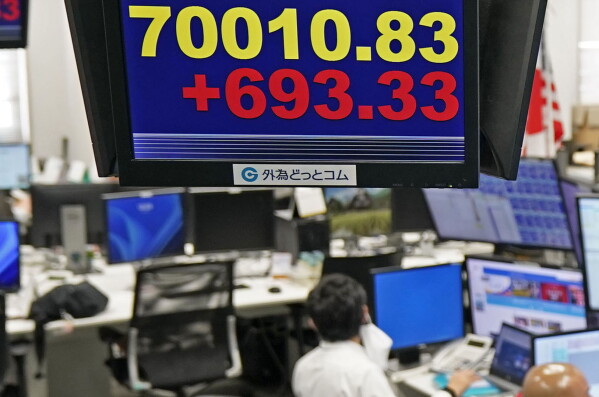
The recent announcement of a tentative agreement to end the conflict in Iran and reopen the Strait of Hormuz brings hope to the global economy. As the price of oil fell on Monday, there remain uncertainties about the timeline and process for resuming energy shipments through this crucial route.
Impact on Oil Flow
Prior to the conflict, the strait facilitated the transit of one-fifth of the world’s crude oil. However, the current situation requires time to allow hundreds of ships trapped in the Persian Gulf to navigate the narrow passage. Gulf oil producers, who reduced production, also need time to restore output levels. Moreover, ship captains will likely proceed cautiously to ensure the absence of threats from Iran.
As a result, oil prices, inflation, and energy flow will not quickly return to prewar conditions. Analysts predict it might take weeks, if not months, to achieve stability. The details of the agreement, expected to be signed Friday, remain undisclosed.
Timeline and Uncertainties
Even if the Strait of Hormuz opens fully, resuming tanker traffic will take time. Ships need time to enter, load, and transport oil to major Asian clients such as Japan. The entire round trip can take 45 to 50 days. Concerns about navigational safety and the volatile situation mean cautious progress. Lloyd’s List editor-in-chief Richard Meade emphasized the importance of safe navigation prerequisites like mine clearance.
“Operationally, the sector is not rushing back,” Meade wrote.
Currently, ships trickle out through an Iranian-managed vetting lane or under U.S. guidance in a southern route. According to Kpler, a maritime intelligence firm, approximately 500 commercial vessels remain in the Persian Gulf, unable to all pass through the narrow strait simultaneously. Clearing mines could take six months, while vessel turnover might take two to three months.
The Definition of an ‘Open’ Strait
The nature of the strait’s reopening is unclear. Iran has sought to collect fees from ships using the route, with some payments already reported. Former President Trump mentioned a ‘toll-free opening’ in a social media post, but no Iranian confirmation exists. Verisk Maplecroft’s Torbjorn Soltvedt noted the potential for conflicting statements regarding strait management and fees.
Legal complications arise as the U.S. and EU have labeled Iran’s Islamic Revolutionary Guard Corps a terrorist group, posing sanction risks for paying any tolls. Legal experts argue allowing Iranian control violates international navigation laws.
Restarting Oil Production
Middle Eastern oil producers, unable to store excess oil, halted extraction. Restarting operations will be gradual. Saudi Arabia and the UAE, which utilized alternative routes, might resume production quickly. In contrast, countries like Iraq face greater challenges, with potential delays of up to a year. Alan Gelder of Wood Mackenzie highlighted differing recovery rates across countries.
Claudio Galimberti of Rystad Energy noted improved sentiment, but cautioned that sentiment does not immediately translate to supply. Production normalcy, logistical stability, and risk reduction in oil prices are all gradual processes. According to Capital Economics, energy flows might reach 80% of prewar levels by September.
Inflation Outlook
Even with the strait’s reopening, inflation might not decrease swiftly. Neil Shearing of Capital Economics projected above-target inflation levels for major economies through this year and into the next. The expiry of government measures to alleviate energy shocks could further impact inflation, warned Joachim Nagel of Germany’s Bundesbank.
Nagel cautioned that restoring the oil supply’s normality would take months, underscoring the complexity of resolving the broader economic impact of the conflict.