
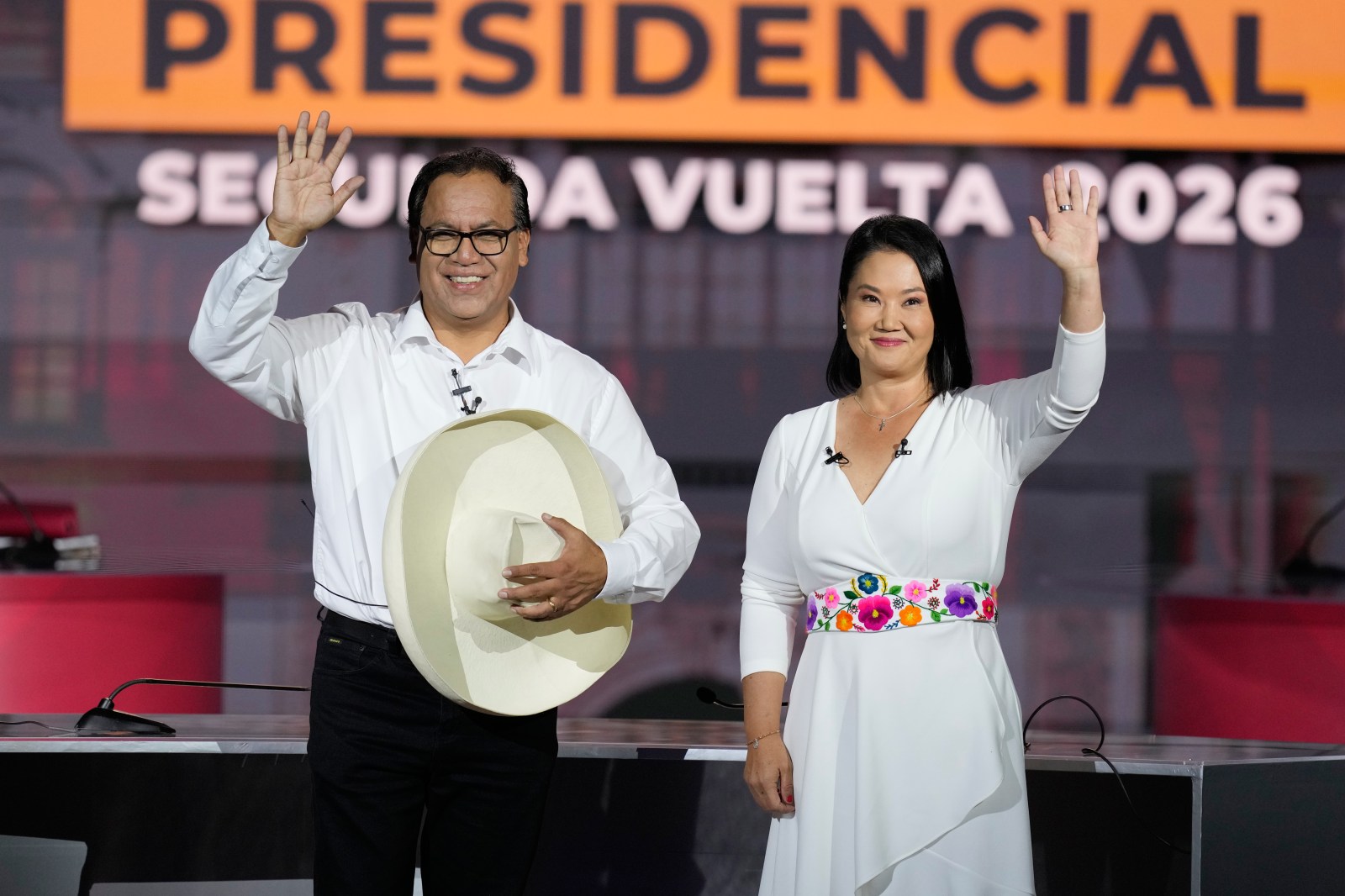
Peru’s presidential election is seeing fierce competition between right-wing candidate Keiko Fujimori and left-wing candidate Roberto Sánchez. With 97 percent of votes counted, the outcome remains uncertain, largely due to the significant impact of overseas votes, particularly from Florida. Presently, Sánchez maintains a slight edge with 50.05 percent of the vote, while Fujimori holds 49.94 percent. The overseas ballots, where Fujimori shows strong support, could reverse Sánchez’s narrow lead.
Overseas Vote Dynamics
Peru’s National Office of Electoral Process (ONPE) indicates 62.5 percent of the overseas votes favor Fujimori, accounting for 132,004 votes, compared to Sánchez’s 37.5 percent with 79,327 votes. Over 1.2 million Peruvians residing abroad were eligible to vote in the June 7 election’s second round, as reported by the Latin Times. In the United States, which holds the highest number of Peruvians voting from overseas, Fujimori’s lead is more pronounced, capturing 76.56 percent of the vote.
Florida, home to the largest Peruvian-American community in the U.S., is pivotal in this scenario. In Miami, Fujimori received 88.79 percent of the ballots, totaling 9,310 votes, compared to Sánchez’s 11.21 percent. Similarly, in Orlando, 86.60 percent supported Fujimori, while Sánchez secured only 13.34 percent. This voting pattern aligns with historical trends where Peru’s diaspora leaned more conservatively, differing from the typically left-leaning rural areas in Peru.
Historical Context and Voter Preferences
Many in the Peruvian diaspora fled the political unrest and economic turmoil of the 1980s and 1990s, linked to Alberto Fujimori’s authoritarian regime, marked by human rights violations yet remembered for economic stability and social conservatism. While this connection might be controversial, it explains some expatriates’ preference for Keiko Fujimori.
Sánchez, aligned with former President Castillo, who was ousted in 2022 for an attempted emergency power grab, faces his own criticisms. In 2021, despite strong overseas support for Keiko Fujimori, socialist Pedro Castillo emerged victorious due to support from indigenous and rural voters.
Implications of Overseas Votes
Despite making up a small fraction of the electorate, overseas votes carry weight in tight races like this one. As more overseas votes are counted, Fujimori may narrow the gap or surpass Sánchez’s lead. Currently, Miami has counted over 99.09 percent of its votes, while Orlando counts 80.95 percent. Overall, 67.47 percent of overseas votes were processed as of Wednesday morning.
Within Peru, 98.21 percent of the votes have been counted, showing Sánchez with a thin lead. Sánchez has expressed commitment to respecting the electoral outcome, emphasizing a peaceful approach to political processes. Meanwhile, Fujimori urges patience as votes are finalized.
As of now, the election’s result remains undecided. Official results, pending reviews and possible recounts, are expected by mid-July, with the presidential inauguration planned for July 28.
According to Dr. Christopher Sabatini from Chatham House, regardless of the election winner, Peru faces potential political instability. Sánchez might struggle with a divided Congress, reminiscent of Castillo’s challenges, whereas Keiko could face backlash from opposition parties seeking retribution for earlier political maneuvers.