
Primary elections took place in Nevada, South Carolina, and North Dakota on Tuesday, but the spotlight was on Maine’s U.S. Senate contest. The results in Maine were predictable, with both Republican Sen. Susan Collins and Democrat Graham Platner securing their party nominations easily. However, this election was crucial for Platner, a veteran and oyster farmer facing challenges due to controversies. Platner aims to rebuild his reputation and credibility within his campaign.
Platner Shifts Focus in the Campaign
Graham Platner’s victory in the Maine Democratic primary sets the stage for a high-stakes race against Sen. Susan Collins. Platner openly acknowledged his need to regain public trust, expressing his commitment before supporters by stating, “People can change.” Despite his admission of past mistakes, Platner directed his election-night speech at addressing controversies rather than attacking Collins.
Platner’s campaign has faced scrutiny following revelations of his involvement in explicit messaging with multiple women while married. This, combined with new allegations reported by The New York Times, has challenged his credibility. His family showed support during his speech, with both his mother and wife expressing pride and solidarity.
Democratic Standards Challenged
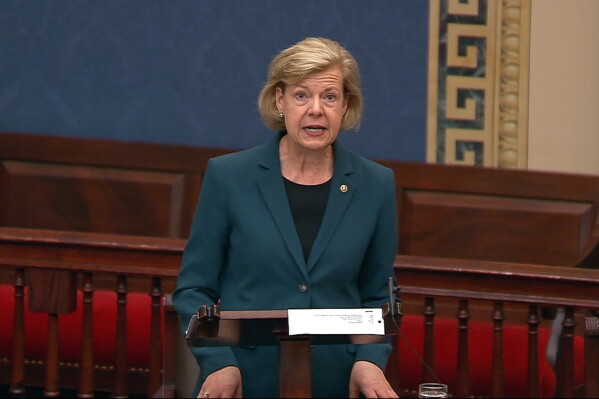
Platner’s victory highlights changes within the Democratic Party in the Trump era. Democrats who once prioritized personal conduct over electability are now focusing on the latter to regain power in Washington. Platner saw support from prominent figures like Jim Messina and Minnesota Sen. Tina Smith. However, some Democrats remain uneasy about his candidacy.
Sen. John Fetterman of Pennsylvania encouraged support for a rival candidate, Gov. Janet Mills, who suspended her campaign. Mills did not mention Platner by name after his victory, and there are calls from Rep. Josh Gottheimer for Platner to withdraw from the ballot. Democratic leaders may face questions about their standards going forward.
Trump’s Endorsements in South Carolina
In South Carolina, President Trump’s influence within the Republican Party was tested again. Trump’s endorsed candidate, Lt. Gov. Pamela Evette, did not secure a majority and will enter a runoff against Attorney General Alan Wilson. Trump pledged to support Evette as the runoff approaches.
However, Sen. Lindsey Graham, a close ally of Trump, secured the Senate nomination decisively, avoiding a runoff. In Nevada’s 2nd congressional district, Trump-backed David Flippo faces James Settelmeyer, challenging Republican dynamics further.
Clyburn’s Primary Victory
Rep. James Clyburn of South Carolina easily won his primary, maintaining significant national influence. Republican attempts to redraw his district failed, leaving Clyburn well-positioned for re-election. His victory secures his continued role in national politics, leading up to the 2028 presidential race.
U.S. Election System’s Pace
The U.S. election process can be slow due to varied state rules and methods of vote counting. States like Maine, which use ranked-choice voting, and South Carolina, requiring runoff polls, illustrate this complexity. California’s system prioritizes accessibility over speed, contributing to delays in finalizing election results.
Maine’s ranked-choice election may take over a week to resolve, while South Carolina moves to runoff elections in two weeks. Such differences underscore the decentralized nature of U.S. elections.