
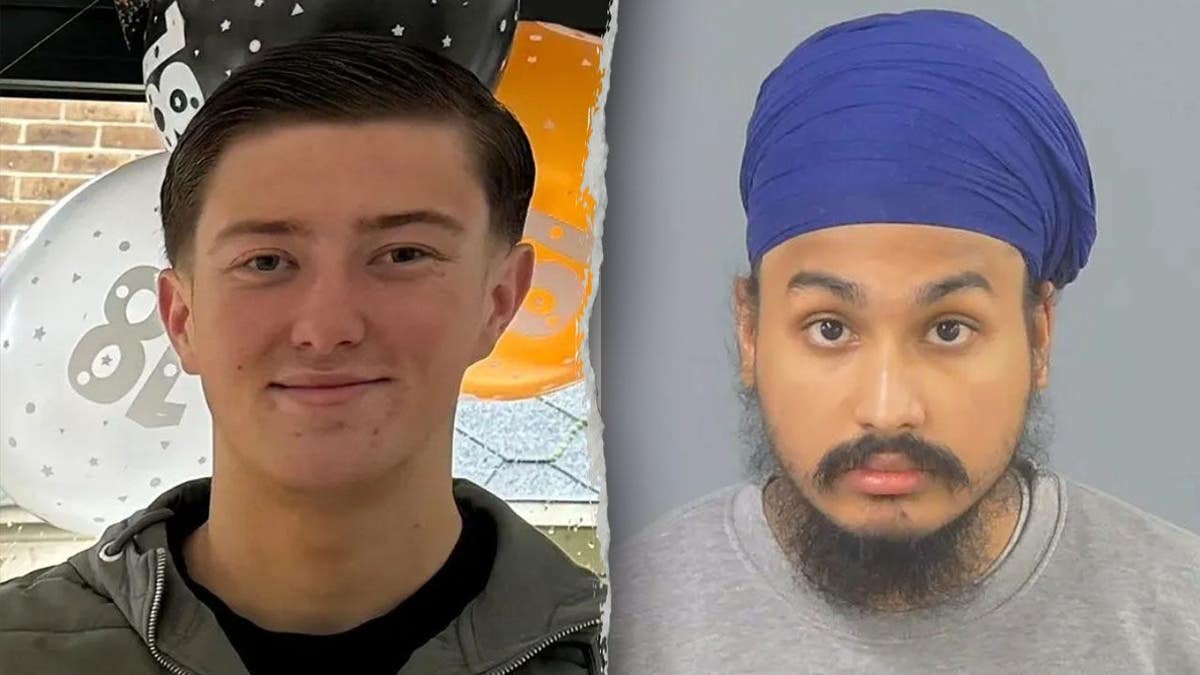
The fatal stabbing of Henry Nowak, an 18-year-old college student in Southampton, England, has ignited protests and public debate. The incident, which took place in December 2025, involves Vikram Digwa using a ceremonial knife. Digwa has been found guilty of murder. Notably, this event received little attention from both American and British media and politicians at the time.
The case has emerged as a flashpoint reflecting broader social issues in the UK, drawing parallels to high-profile cases in the United States such as the tragic events involving Trayvon Martin, Michael Brown, and George Floyd. While those cases centered on police interactions, Nowak’s case involved civilians. Yet, the underlying concerns around racial dynamics and institutional responses remain pertinent.
In particular, many critics argue that the UK’s approach to race, immigration, and policing has led to biases that can hinder justice. For example, the UK National Police Chiefs’ guidance emphasizes racial equity, sometimes at the expense of alleged victims like Nowak.
Politically, the landscape is also volatile. Prime Minister Keir Starmer, who once publicly supported the Black Lives Matter movement, faces accusations of inconsistency. Critics argue that his government enforces strict penalties for right-wing speech, while displaying leniency towards leftist and pro-immigrant rhetoric.
Nigel Farage, leader of the Reform party, has labeled Starmer “Two-Tier Keir,” indicating perceived inequalities in legal and social treatment. These concerns are exacerbated by demographic shifts and cultural changes within the UK. The nation’s population, once predominantly “White British,” is more diverse now, with differing views on policy and integration.
The situation with Henry Nowak’s murder has shed light on the broader debate over equity versus equality, policing, and freedom of speech in Britain. Critics argue the need for reform in order to address perceived biases and ensure justice for all citizens regardless of background.