
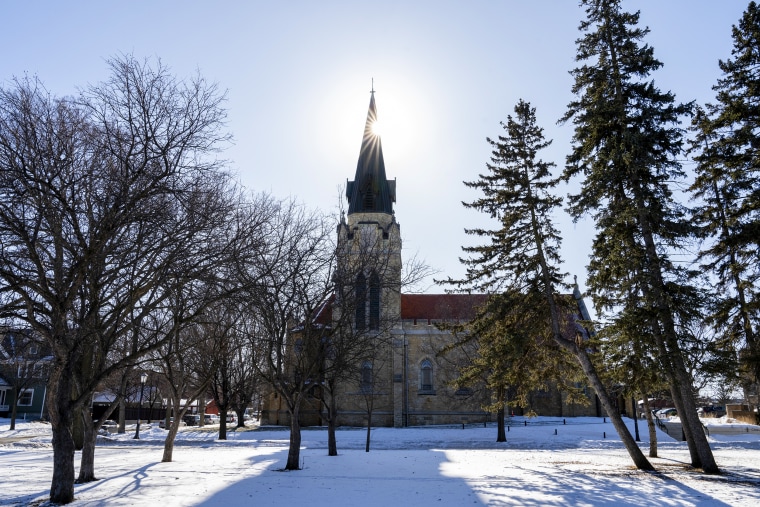
In January, a protest against immigration enforcement took place within a Minnesota church, drawing national attention. The protest included former CNN journalist Don Lemon. However, state charges will not be pursued. St. Paul City Attorney Irene Kao announced the decision, stating that evidence does not meet the criteria for state criminal charges.
Despite the decision, Kao emphasized that this should not be seen as supporting unlawful actions. Kao highlighted the significance of both peaceful protest and religious freedom in making this decision.
This decision should not be interpreted as an endorsement of unlawful behavior or public disorder. The right to peacefully protest is protected, as is the right to exercise one’s religious beliefs.– Irene Kao
The U.S. Justice Department charged 39 individuals with federal civil rights violations. Video footage of the protest showed individuals chanting phrases like “ICE out” and “Justice for Renee Good.” Good was a mother who died during a confrontation with an ICE agent in Minneapolis.
Protesters targeted the church after learning that a pastor was also an ICE official involved in local operations. Pastor Jonathan Parnell expressed concern, suggesting the decision implies protests can disrupt religious gatherings without consequences.
According to the St. Paul City Attorney’s logic, it is perfectly fine for agitators to invade a mosque, a cathedral, or a temple.– Jonathan Parnell
While concerns about violence and property damage were noted, such incidents did not occur during the protest.
Legal repercussions for disrupting religious services are being debated and legislated in some states. Idaho, Louisiana, Oklahoma, and Kansas have passed laws this year making it illegal to interrupt worship services.