
Immigration attorney Angel Leal Jr. discusses the adverse impact of becoming a victim of identity theft with bitterness. ‘These individuals exploit people’s needs and fears,’ says Leal, who specializes in immigration law in Doral, Florida. His identity has been imitated using artificial intelligence to deceive immigrants trying to regulate their status. The most painful part for him is the damage inflicted on the Hispanic community because scammers are targeting many, not just him.
Leal can hardly contain his anger when describing the fraud, which involves fake contracts with his firm’s logo, forged signatures, deceptive websites, and false immigration hearings. ‘It’s all fabricated,’ he emphasizes. This is not an isolated case. According to the Federal Trade Commission, over 1 million identity theft scams were reported in the U.S. last year, with losses over $3.5 billion, marking a 20% increase compared to 2024.
The Chicago FBI issued a warning in May about the prevalence of scammers impersonating lawyers and immigration officials. The Transactional Records Access Clearinghouse (TRAC) reported that the immigration court system had over 3.3 million active cases by February’s end. Among these, more than 70% were asylum seekers awaiting hearings. This backlog causes a demand for immigration lawyers that far exceeds available legitimate services. TRAC data shows that by March, only 32.8% of immigrants had legal representation during deportation orders.
Fraud and Technology
According to Adonia Simpson of the American Bar Association (ABA), fraud and identity theft in immigration aren’t new. But the combination of AI, social media, and community fear heightens these issues. ‘AI technology creates believable videos and contracts,’ explains Simpson, worsened by the fear many individuals face with detained family members.
Leal describes how scammers use his public image to deceive potential clients. They manipulate his real videos with AI to offer impossible promises such as ‘U.S. citizenship without an exam and immediate work permits.’ The scam often moves from social media to private messaging and WhatsApp. Leal warns if contacted through WhatsApp as him, it’s fraudulent. Closing his firm’s WhatsApp channels wasn’t enough, so he hired specialists to remove countless fake profiles, costing thousands of dollars. His staff’s time is spent addressing scam victims who mistakenly contact his office.
Additional Scams and Impersonations
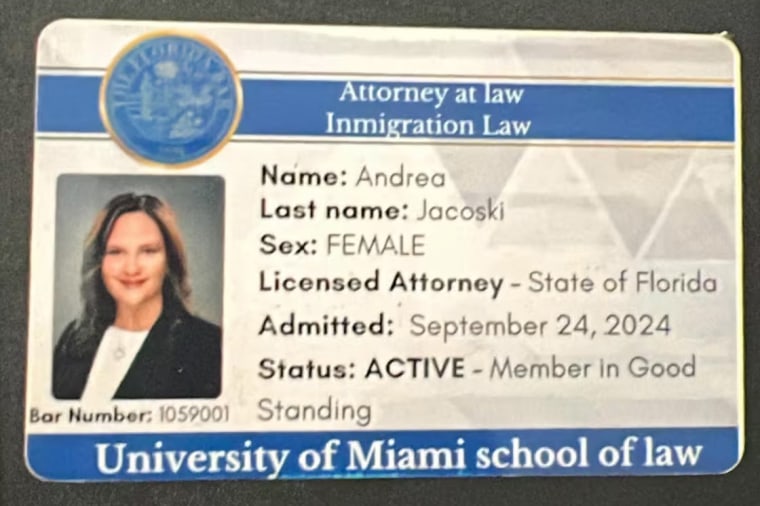
Andrea Jacoski from the University of Miami School of Law encountered similar fraud. Fake documents, including her bar number, involved someone impersonating her to scam people. Even federal agencies, bar associations, and the ABA became fraud victims. The ABA discovered falsified contracts with their logo, used to demand payments for nonexistent services. These scams adapt quickly, switching tactics when detected.
Eric Barragán Ramírez of Catholic Charities found his name and another’s image on a fraudulent website. Many fake identities belong to accredited representatives, not lawyers, yet they provide limited immigration legal advice. These deceitful websites aim to target low-income workers who seek information online due to limited resources.
Meanwhile, law firms like Diener Law face the same threat. ‘Our marketing director discovered scams through altered replies on social media,’ says Sofía Rivera. Continuous fake account creation redirects legitimate clients to fraudulent contacts, as in the case where a woman lost $6,000 thinking she interacted with the real firm.
Consequences of Legal Fraud
The true damage goes beyond financial losses. Misfiled applications or missed hearings could lead to deportation orders, sometimes without the victim’s knowledge. Simpson notes the broader impact: ‘It’s not just about money; it’s time and potentially their freedom.’ Vulnerable individuals, often lacking digital literacy, fall victim due to fraudsters exploiting their precarious immigration status.
Federal agencies, like the FBI and Justice Department, have yet to comment extensively, but the Texas Bar Association reported receiving 188 immigration-related complaints within three years. Misuse of legal credentials forces personal and professional alterations, as seen in a Texas lawyer’s name change due to repeat impersonation.
Angel Leal collaborates with federal authorities, gathering evidence against scammers. His message for victims is to exercise caution and verify the legitimacy of legal sources. Despite the challenges, he is determined to fight against such fraud.