
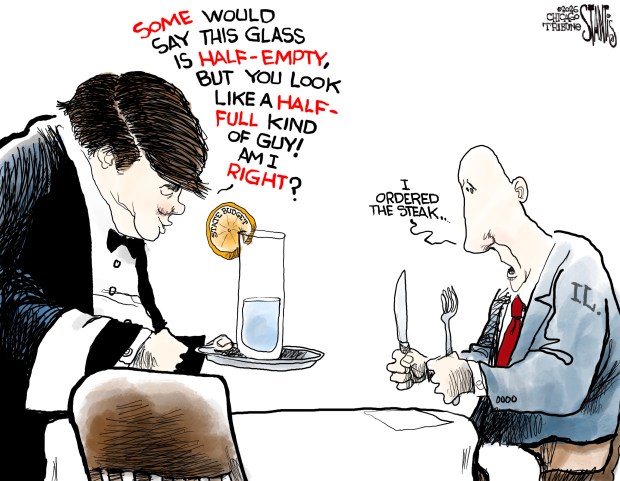
The recent legislative session in Springfield provided two dominant narratives. One perspective focuses on disappointment due to significant issues left unaddressed. The Chicago Bears’ needs, an impending energy supply-demand imbalance, and the lack of new housing measures remain unresolved. Additionally, efforts to make life more affordable for Illinois’ residents appear insufficient.
Alternatively, some view the session positively, noting that no substantial policy damage occurred. There were no significant new taxes affecting individuals and corporations. Progressive lawmakers seeking a constitutional amendment to tax millionaires were thwarted. Governor JB Pritzker’s budget received endorsement without much drama and even saw improvements. For instance, local governments benefitted from naturally rising income tax revenues, with another $60 million included in their budgets, $12 million of which goes to Chicago. Initially, Pritzker proposed keeping municipal shares of state income tax receipts unchanged, which would have worsened the property tax burden for many.
This session left an impression of the state drifting without strong leadership. Democrats in the supermajority engaged in internal debates over critical issues. Republicans mostly acted as observers, although Peoria Rep. Ryan Spain, a Republican, did commend Democrats for their openness regarding the spending plan.
For Governor Pritzker, the session was underwhelming. He aimed to keep the Bears in Illinois and pass measures for more housing state-wide. Both efforts stalled. The housing initiative failed due to objections from local governments concerned about losing zoning authority. There was little visible leadership from Pritzker in these efforts. His strategy appeared to involve setting broad objectives and hoping lawmakers would align.
Despite these challenges, the budget did fully fund state pension obligations and added $350 million for public schools. Other accomplishments included banning cellphones in public-school classrooms and regulating artificial intelligence use. The General Assembly also finalized a licensing process for hemp producers, ending years of inaction.
Affordability measures included canceling an automatic gas tax increase, saving drivers a minor 1.3 cents per gallon, and providing a one-time $400 payment to those losing SNAP benefits.
In summary, the session will be remembered for what didn’t happen. Interest in the Chicago Bears issue drew attention to how Springfield operates under Democratic control. Whether constituents were satisfied with this remains a question.