
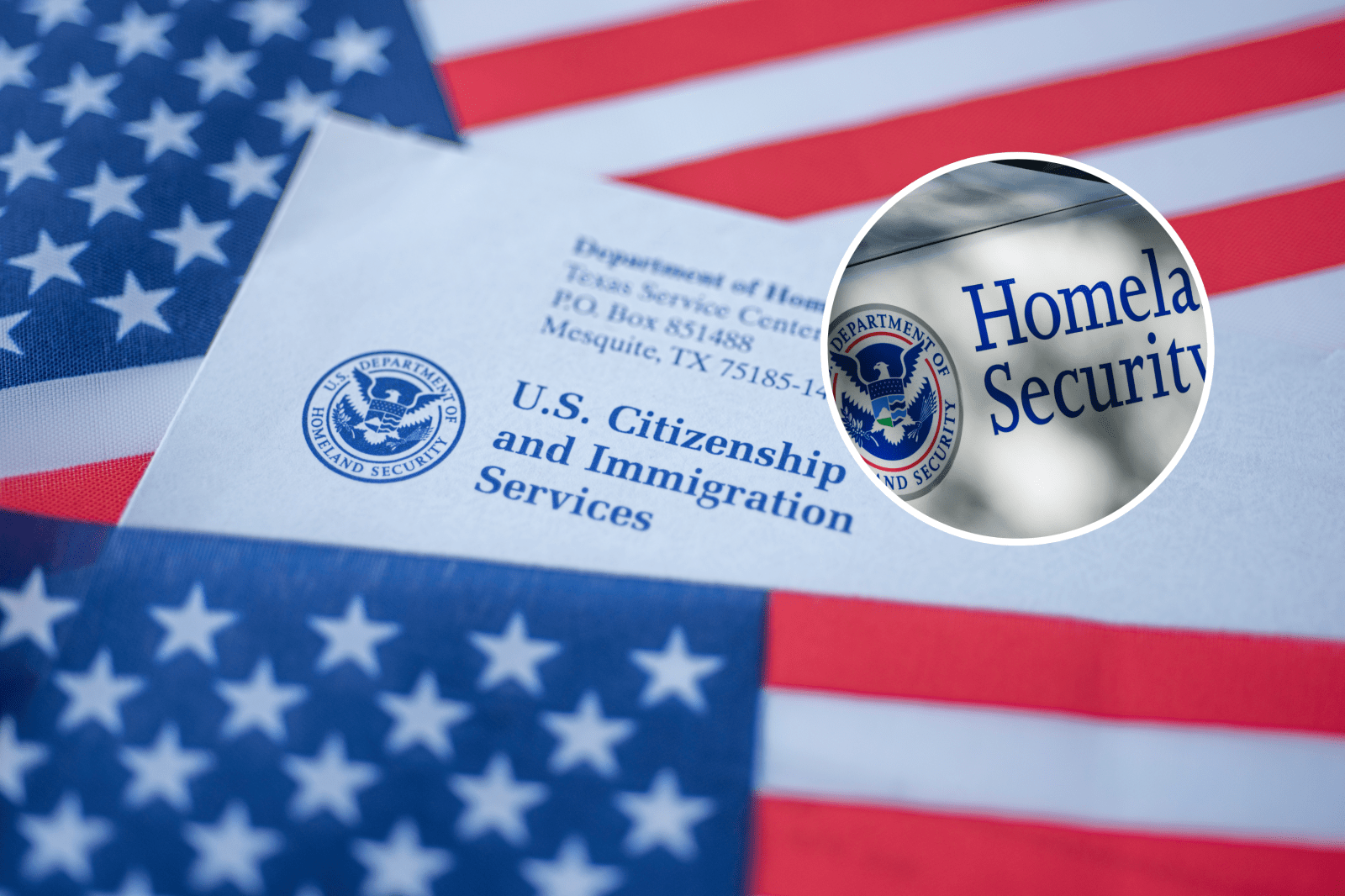
DHS Clarifies Controversial Immigration Policy
The Department of Homeland Security (DHS) has issued a clarification on a disputed immigration policy introduced last week. The policy implies that most green card applicants will not need to leave the United States while their cases are under review.
DHS Clarification
Officials from DHS have clarified the previous guidance announced in a U.S. Citizenship and Immigration Services (USCIS) release. It had suggested that applicants might be required to return to their home countries except in unusual cases. However, DHS now states that decisions will remain discretionary, evaluated individually by immigration officers.
“This was just a reminder to officers of their discretionary authority, which has always existed on a case-by-case basis,” explained a DHS spokesperson in a statement published by The New York Times.
Reactions and Concerns
The clarification followed considerable confusion and backlash from applicants, legal representatives, and business entities worried about potential disruptions. While applicants might still be asked to depart based on their specific situations, most can continue their applications from inside the U.S., subject to officer discretion.
Key Highlights
- Most green card applicants will not need to leave the U.S. despite the previous announcement.
- DHS describes the update as a clarification, not a significant new policy.
- Immigration officers will decide case by case if applicants must return home.
- There remains uncertainty about who might be affected, with details still unclear.
- Applicants face new questions during interviews.
Clarification on DHS Position
DHS emphasized that the initial announcement was not a major policy change but a reiteration of existing authority. Officers have the longstanding ability to require applicants to complete the process overseas if necessary. This stands in contrast to the original USCIS release, which framed application from within the U.S. as an exceptional circumstance.
Mixed Responses and Implications
Confusion has affected the immigration system, with differing reports on policy application. Immigration attorneys like Elissa Taub and Angelo Paparelli report inconsistent experiences, complicating legal advice to clients. Such disparities make it tougher for lawyers to plan legal challenges.
Green card allocations are not evenly distributed globally. This means that any policy changes could disproportionately impact certain nationalities.
Future Prospects
Critics argue the administration is attempting to mitigate backlash from last week’s announcement. Benjamin Johnson from the American Immigration Lawyers Association highlighted the complicating factors for potential legal challenges due to the policy’s vagueness.
The impact on businesses is another concern. Neil Bradley from the U.S. Chamber of Commerce expressed worries about the policy’s potential disruptions for employers, calling for improvements in the legal immigration framework. With individual officers holding substantial decision-making power, varied outcomes could leave both applicants and employers uncertain about the policy’s execution.