
Jesus Ramirez Ramos faced challenges after spending nine months in Immigration and Customs Enforcement (ICE) detention. The clothes he wore at the time of his arrest were unwashed and had been in storage. His cellphone was lost during his time in a Michigan jail, which cut him off from important contacts. As he walked free from the detention center in Baldwin, Michigan, his next steps seemed uncertain.
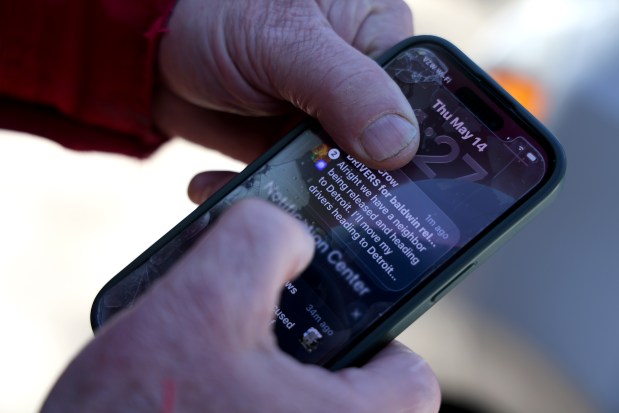
However, Delight Lester, a 66-year-old advocate, was there to assist him. Involved with a group assisting ICE detainees, Lester provides support by funding commissary accounts, connecting detainees with legal aid, and arranging transportation. Lester drove Ramos over 900 miles to his Salina, Kansas home, giving him fresh clothes, snacks, and a phone for the journey. Grateful for the aid, Ramos expressed his thanks to Lester for the help she provided him.
Lester is a part of a broader network across the U.S. that supports ICE detainees. Volunteers help arrange travel for detainees who obtain bond or win their cases. Some are detained far from their communities, and advocates across the nation work tirelessly to bring them home. Nationwide, groups like ‘Hope for Neighbors,’ ‘Calor Humano’ in Kentucky, and ‘Haven Watch’ in Minnesota help make this possible. In Illinois, a group known as ‘Overground Railroad’ coordinates travel for detainees, ensuring they reach their destinations.
Activists organized the return of Ricardo Hernandez-Navarrete, a senior at Chicago Public Schools. Arrested during a routine ICE check-in and taken to a Kentucky jail, he made it home in time for graduation with assistance from advocates in Kentucky and Indiana.
A surge of immigration arrests marked Trump’s tenure since reelection in 2025, with legal challenges and humanitarian concerns mounting. In Chicago alone, Operation Midway Blitz caused 3,800 noncitizen arrests and 2,500 deportations, mostly for those without criminal records.
The approach to immigration led to ICE agents detaining people based on racial profiling, often without regard for lawful process. Trump’s second term signature policy includes holding immigrants indefinitely without bond, drawing criticism and legal challenges. Detention far from communities means that even when detainees are released, they often find themselves alone, without means or contact, away from home.
In response, Americans have organized to aid detainees. Evelyn Vargas from Organized Communities Against Deportations emphasizes the importance of resisting such acts. Delight Lester, who ran an arts center for those with special needs before retirement, stresses spreading hope through simple acts of kindness.
The advocacy movement includes groups like ‘Hope for Neighbors,’ introduced to Lester by Pastor Dale Dalman. Following a congregant’s 2025 arrest, Dalman visited the North Lake detention center and inspired others to help. This Michigan-based group provides supplies and legal referrals, helping detainees navigate complex immigration policy shifts like asylum rule changes.
Dalman, a committed Christian, views helping detainees as a faith duty. His group handles detainee transport, funding bus tickets and coordinating drives to various locations. Lillian Khatib, Lester’s daughter, became involved after seeing a social media post. As a student and Spanish speaker, Khatib coordinates volunteer visits, supporting detainees emotionally and offering solace during their ordeal.
Volunteers like Larry Gephart transport released detainees, starting their journeys to freedom. Gephart and others like him overcome logistical challenges to ensure no detainee is left alone after release.
National figures like Will Mendoza in Kentucky and Natalie Ehret of Minnesota’s Haven Watch exemplify the drive to help, organizing rides and offering support. Susan Schultz of Haven Watch provides phones and essentials to detainees who need them. The movement extends as far back as Robin Valenzuela’s Indiana AID, launched in 2019, which supports detainees with virtual visits and mailed books.
Volunteers like Stephanie Campos, part of Eyes on ICE, work tirelessly to offer transportation and emotional support to detainees on the East Coast.
Veterans like Rebecca De La Luz in Illinois play crucial roles, driving detainees home, offering them new beginnings. Her journey reflects the dedication of those involved in these networks, often going the extra mile to ensure detainees reunite with loved ones. During her trips, De La Luz’s interactions, such as with Humberto Ramirez Torres’ family, underscore the impact a supportive network can have.
These volunteers, spread across the country, continue to provide essential services, ensuring that recently released detainees aren’t left without aid or a path home. Their efforts emphasize hope, compassion, and the power of community in challenging times.