
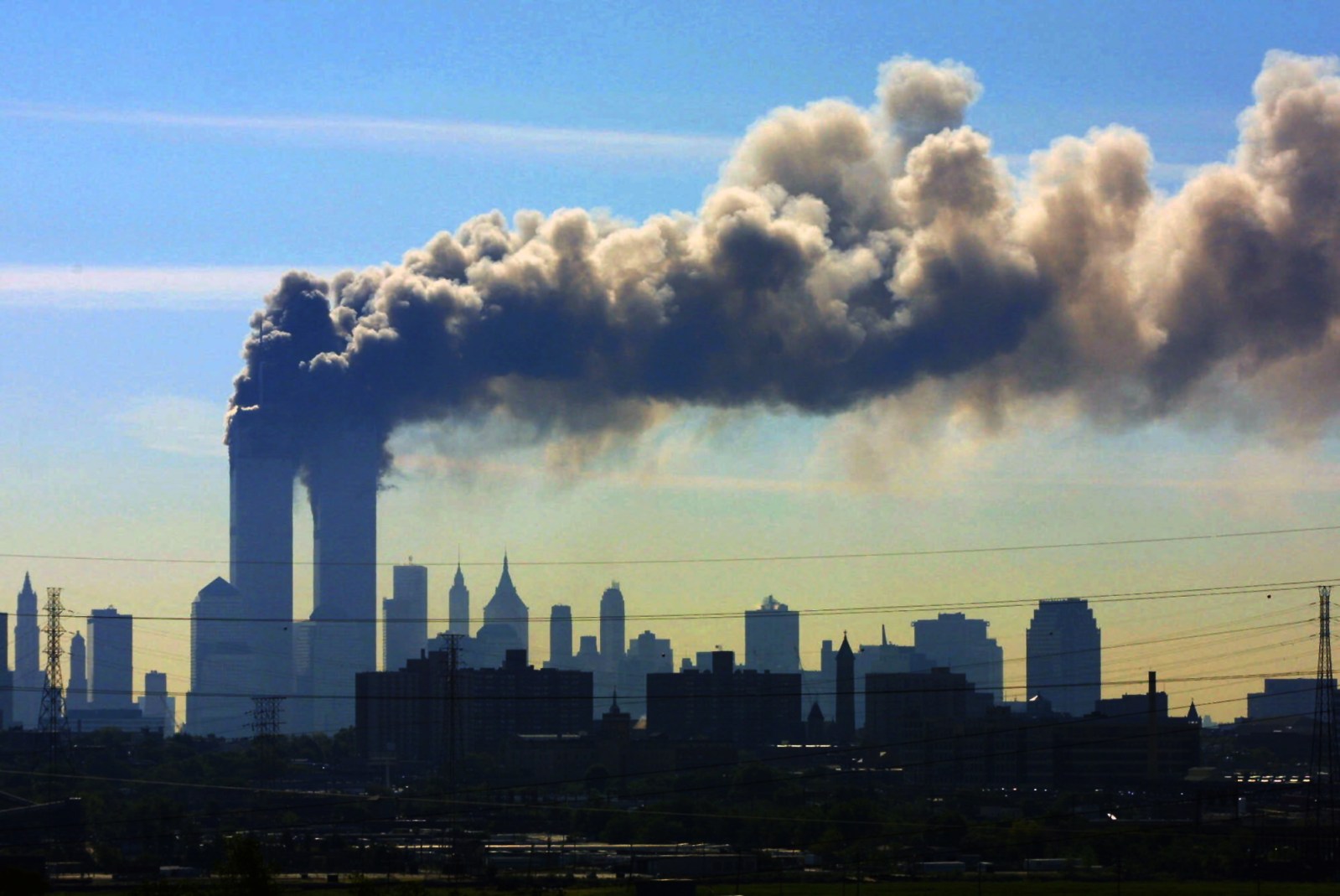
Two and a half decades have passed since the September 11, 2001, terrorist attacks, yet thousands continue to suffer from health issues related to environmental toxins inhaled in the aftermath. Research by the U.S. Centers for Disease Control and Prevention (CDC) indicates that many exposed individuals have developed various conditions, including cancer, respiratory diseases, and mental disorders. Alejandro Azofeifa, a health scientist at the World Trade Center Health Program, points out that the attacks exposed people to numerous hazardous materials due to dust, debris, and fumes.
More than 350 hazards might have been present in the disaster areas, as identified under the James Zadroga 9/11 Health and Compensation Act (2010). The findings, published in JAMA on September 10, emphasize the need for ongoing clinical monitoring to address the evolving health needs of those affected.
The World Trade Center Health Program reports that over 9,400 individuals have died from 9/11-related illnesses. The initial attacks claimed the lives of 2,977 people, including those at the World Trade Center, the Pentagon, and Flight 93.
Study Findings and Impact
By June 2026, more than 155,000 responders and survivors were enrolled in the World Trade Center Health Program. This program offers medical monitoring and treatment for related health conditions without any cost to the patient. Enrollment grew by over 6,500 members annually since 2012, with 67% of those enrolled certified for at least one related condition.
The research indicates that those directly exposed to the attacks experience more chronic conditions and a diminished quality of life compared to others. These individuals face increased health care needs and costs. Conditions related to these exposures include acute injuries, respiratory disorders, cancers, and mental health issues.
Toxic Dust Composition
The dust cloud from the collapse of the towers contained harmful toxins such as asbestos, lead, and pulverized cement. Jet fuel combustion and the collapse created substantial particulate matter. Asbestos, classified as carcinogenic, can cause cancers like mesothelioma. Lead exposure has global health impacts, primarily cardiovascular, as noted by the World Health Organization.
Particulate matter exposure links to health problems including lung and heart diseases, while prolonged exposure to volatile compounds may lead to organ damage and certain cancers.
Health Effects of the Dust
Dr. Jacqueline Moline from the Feinstein Institutes for Medical Research explains the dust’s alkaline nature allowed it to penetrate deep tissue, causing immediate reactions such as sinus and respiratory problems. Over time, exposed individuals developed conditions like asthma and lung scarring, with some requiring lung transplants. Blood cancers, in particular, have appeared among those exposed to the dust.
Lessons on Disaster Response
The ongoing health effects highlight the necessity of continued surveillance and care systems for disaster response. Azofeifa stresses vigilance, early prevention, and the use of protective gear for responders. Dr. Moline underscores the importance of medical surveillance to understand and respond to future large-scale health impacts.
New York City’s Response Portal
The city launched a portal containing records like air quality reports and health data from post-9/11 recovery. The move follows calls for transparency regarding the long-term health and environmental impacts. Mayor Zohran Mamdani announced a budget allocation for the portal, aimed at providing public access to response records.
At a press conference, Mamdani emphasized the need to care for those with lasting health effects from the attacks. Comedian Jon Stewart and Representative Jerry Nadler voiced support, highlighting historical concerns about air quality assurances and the impact of toxins in the air at the time.
Contents of the Database
The database includes air quality reports, contamination records, and internal documents related to toxic-exposure claims. Notably, it features the Harding Memo addressing liability concerns and wraps up legal disputes over access to these crucial records.