
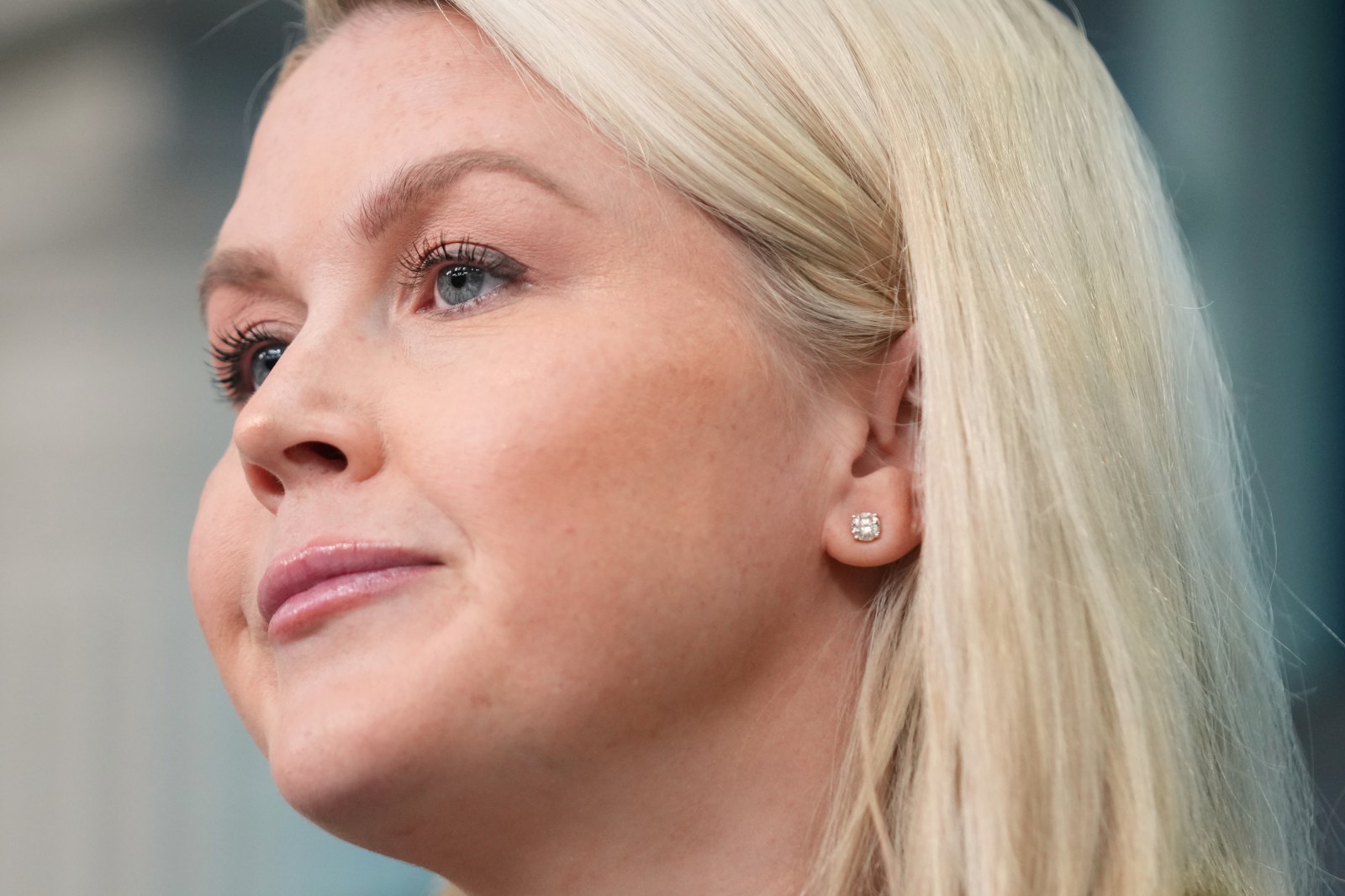
White House Official Criticizes Gen Z
White House press secretary Karoline Leavitt recently criticized her own generation, Gen Z, during an appearance on Fox News. Speaking with host Jesse Watters, Leavitt accused Gen Z of being raised with ‘silver spoons in their mouth,’ leading to what she describes as laziness.
Leavitt targeted young Democratic voters who support progressive candidates, including New York City’s Mayor Zohran Mamdani. These voters had backed candidates labeled as ‘godless communists’ by President Donald Trump, who won primaries in New York last month. Watters remarked on young individuals in their twenties, criticizing them for complaining about expenses while lacking real jobs.
‘Unfortunately, I do,’ Leavitt responded when asked if complaints gain traction among Gen Z. She continued, lamenting that her generation grew up receiving everything easily, in contrast to the American values of meritocracy and hard work.
Critique on Laziness
Watters inquired if laziness was a concern among Gen Z. Leavitt agreed, attributing it to liberal indoctrination. She praised homeschooling as a solution, hinting at public education’s shortcomings. Watters suggested sending misbehaving kids to the army or abroad for discipline.
The criticism of laziness is not new; millennials faced similar accusations, blamed for their struggles with jobs and housing while indulging in avocado toast. Gen Z deals with inflation and shifting employment landscapes, without previous generations’ comforts.
Gen Z’s Economic Concerns
A survey by CNBC and SurveyMonkey unveiled Gen Z’s skepticism towards the American Dream. Only 22% felt they’ve achieved their version, compared to 68% of baby boomers. The rising cost of living, housing prices, healthcare expenses, and low wages are major hurdles.
Gen Z faces significant economic instability. The unemployment rate for Gen Z workers aged 16 to 19 is 14.6%, and 7.1% for those aged 20 to 24, according to the Bureau of Labor Statistics. Older Americans see much lower unemployment rates of 3.7% for ages 25 to 54 and 2.8% for ages 55 and above.
Housing presents another challenge. Since the pandemic, home prices have surged 60%, and mortgage rates doubled after 2022. The U.S. homeownership rate fell to its lowest since 2019 last year, forcing Gen Z to wait longer to own homes.
Political Implications
Economic difficulties are contributing to Gen Z’s waning support for Trump. A Harvard Kennedy School poll found that inflation and housing impact Gen Z deeply, with 50% and 41% respectively identifying them as pressing personal issues.
As disillusionment with Trump grows, Gen Z’s financial struggles diminish his approval among them. An Economist/YouGov poll revealed Trump’s net approval at minus 45 among those aged 18 to 29. This discontent might favor Democrats in future elections but Gallup data indicates that Gen Z remains largely Independent.
Editors involved in covering this story include Tobias Meyjes and Gray R. Thomas.