
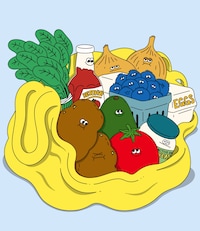
With grocery prices on the rise, ensuring your food lasts as long as possible is crucial. Proper storage can help prevent produce-related illnesses and reduce waste. Here are practical tips to maximize the freshness of your groceries.
Avocado Ripening
If your avocado isn’t ripe and you’re eager to make guacamole, placing it in a paper bag can speed up ripening. The enclosed space concentrates the natural ripening agent, ethylene gas, produced by the fruit.
Berries Storage
Fresh berries should not be washed before storing them in the refrigerator. Water can hasten spoilage. Wash berries only when you’re ready to eat them.
Ketchup Storage
After opening a bottle of ketchup, keep it in the refrigerator. This helps maintain its quality longer.
Yeast Preservation
Yeast is sensitive to heat. If you’ve bought a large package but don’t bake often, store it in the freezer. This keeps it viable for a longer period.
Potatoes Storage
Avoid storing potatoes near onions. Onions release gases and moisture that can cause potatoes to spoil faster.
Carrots Longevity
For carrots to last longer, remove their greens and store them in the refrigerator. The greens draw moisture from the carrots, leading to limpness.
Nuts Storage
Nuts can turn rancid if not stored properly. Keep a large bag of nuts in the freezer to preserve their freshness for several months.
Raw Meat Handling
Raw meat should be cooked or frozen within two days of purchase to prevent bacterial growth.
Tomatoes Management
If your tomatoes are ripe but not ready to be eaten, storing them in a cool, dark place can extend their freshness slightly.
Eggs Storage
Eggs should be kept in the refrigerator to maintain their quality and prevent potential contamination.