
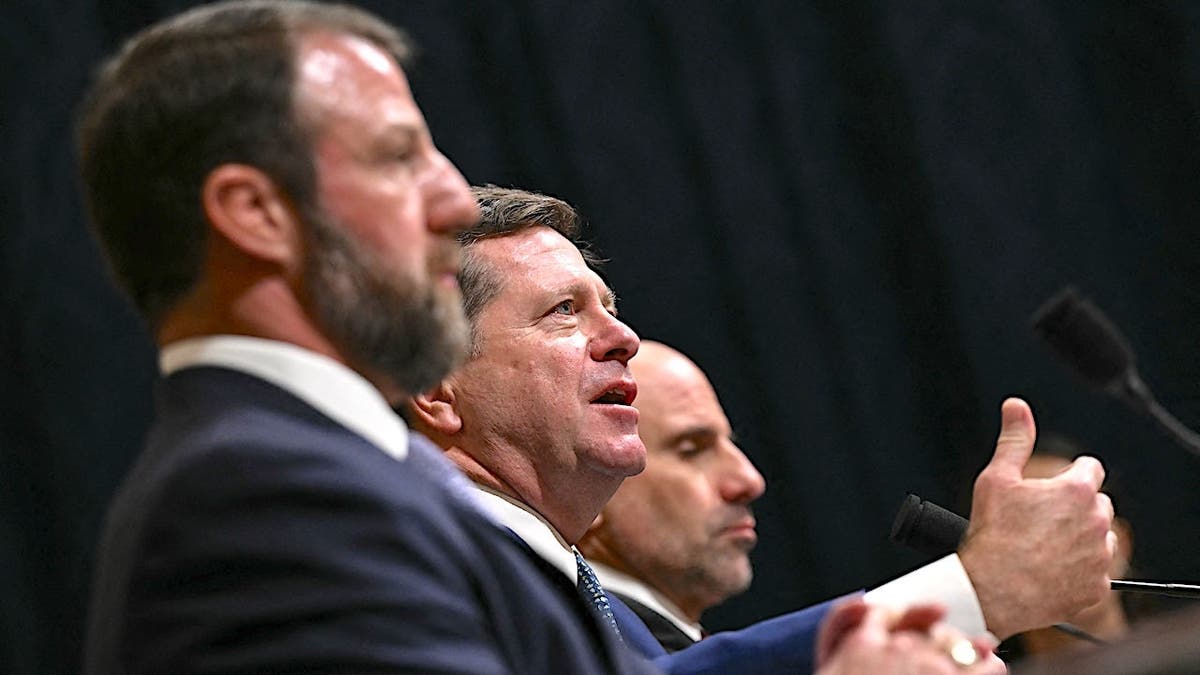
Recent service disruptions across U.S. systems are linked to routine maintenance and technical issues, not a foreign cyberattack. This was confirmed by Director of National Intelligence Jay Clayton during a hearing with the House Homeland Security Committee.
Clayton stated that these outages are not tied to any coordinated or state-sponsored attack. Speaking at the ‘Worldwide Threats to the Homeland: 25 Years After 9/11’ session, he stressed the importance of maintaining updated systems as technology evolves rapidly.
Ongoing Vigilance
While acknowledging public concerns, Clayton assured lawmakers that intelligence reviews show no evidence of foreign interference. He emphasized the intelligence community’s vigilance in monitoring potential cyber threats against U.S. networks.
“We have no indication that these events are related,” Clayton reassured the panel.
He highlighted the importance of updated cybersecurity measures given the fast-evolving digital landscape driven by advancements, particularly in artificial intelligence.
Artificial Intelligence and Cybersecurity
Clayton discussed the effects of ‘superintelligence’ on cybersecurity and broader national security, emphasizing its role in transforming cyber operations and influencing defense and commerce strategies.
Key Threats
Clayton spoke on several primary threats 25 years post-9/11:
- Iranian Plots: Increased threats from Iran targeting Americans at home and abroad.
- Terrorism: Continued risks from individuals inspired by ISIS and al-Qaeda.
- FISA 702: Urged Congress to renew Section 702 of FISA, vital for early warnings on foreign threats. He termed it ‘the single most indispensable tool.’
Clayton concluded his remarks by reaffirming the need for updated legal and surveillance frameworks to effectively manage these evolving threats.